Last updated November 21, 2026
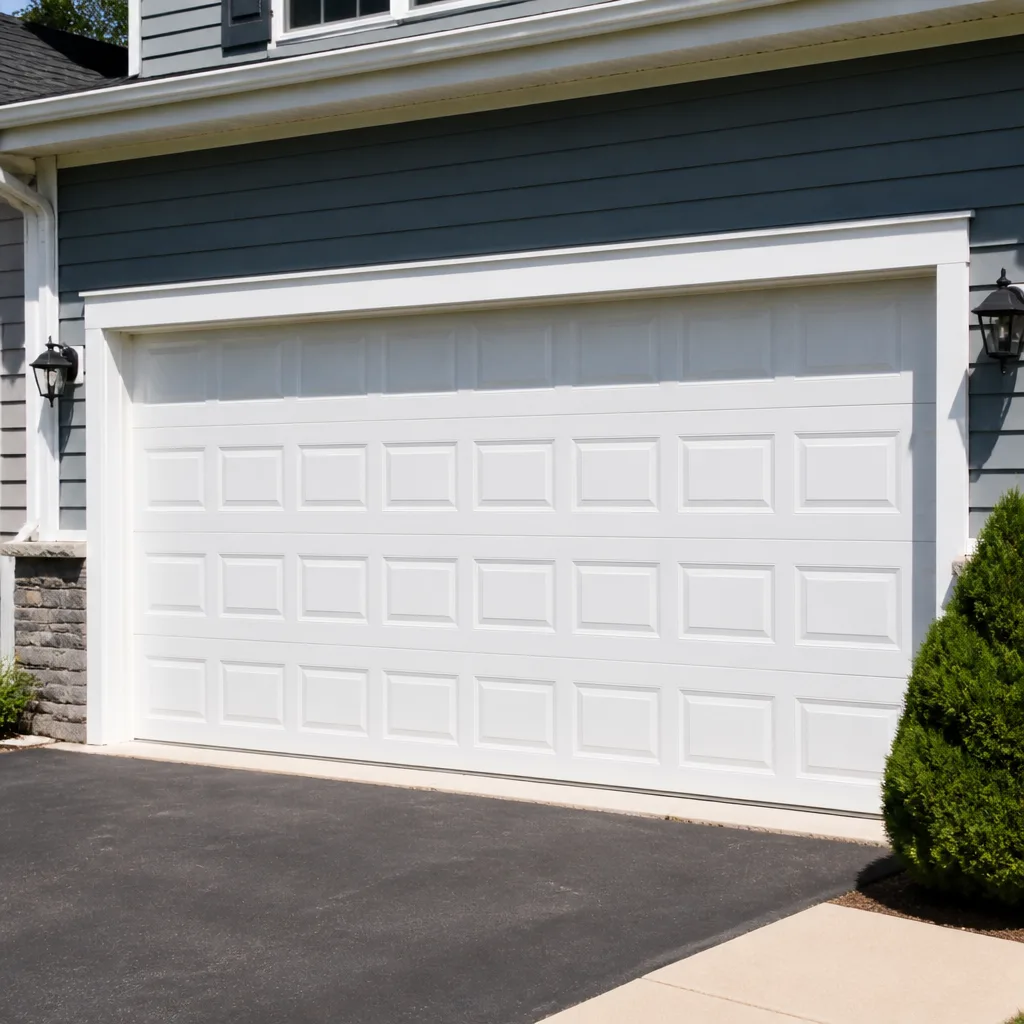 Raised-panel steel
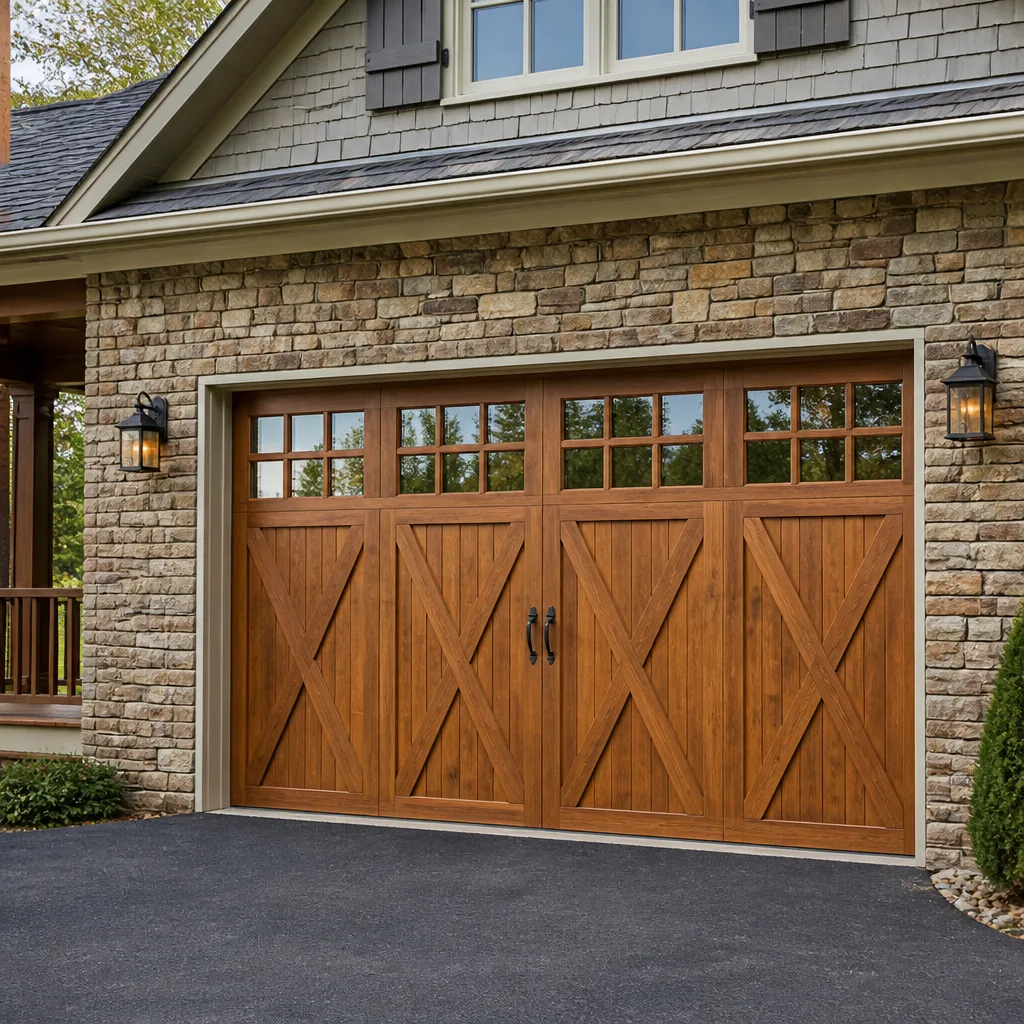 Carriage house
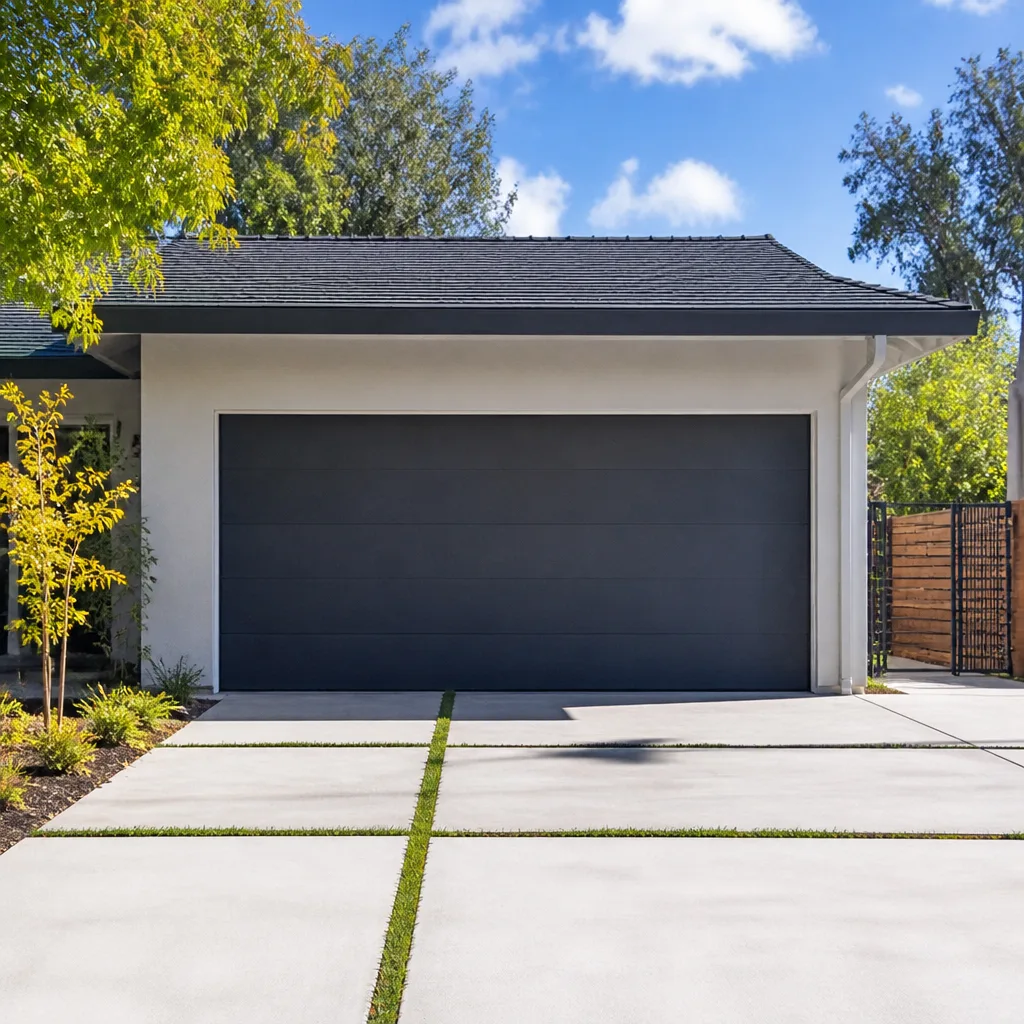 Modern flush
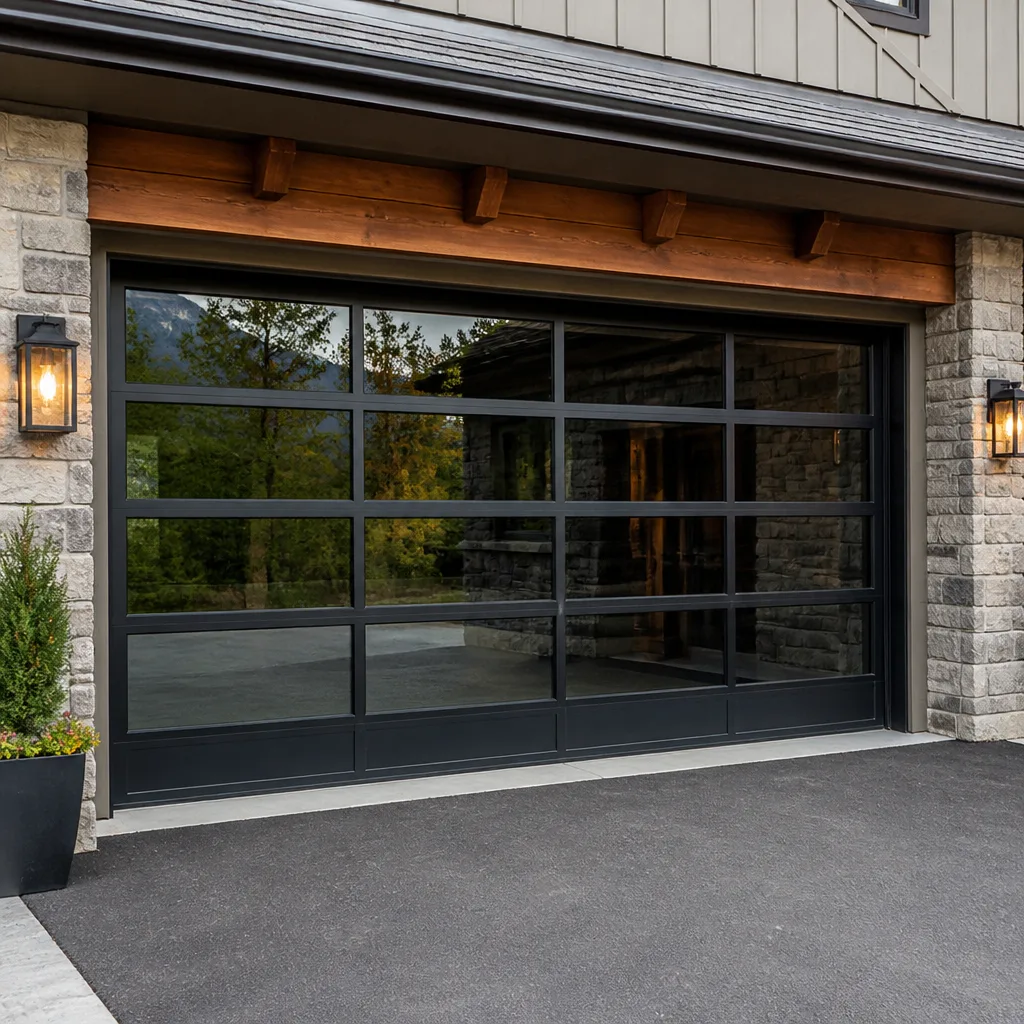 Full-view glass
 LiftMaster openers
 Chamberlain openers
Full 25-point door and opener safety check with every visit - springs, cables, rollers, tracks, and your LiftMaster or Chamberlain opener included
You get a price before we start. It does not change when the pro arrives.
Get your free estimateGarage Door Repair Maintenance Checklist for Federal Way Homeowners
Most emergency garage door calls we handle in Federal Way don’t start with a bang. They start with a small thing a homeowner noticed months earlier and skipped, because nobody ever told them what “check for wear” was supposed to look like in real life. A spring that’s lost a quarter inch of length. A cable with a single broken strand tucked inside the wrap. A track that’s a hair out of plumb after a winter of shifting soil. This guide is built around those specifics. You’ll learn what actually fails first in Federal Way’s wet, mild, soil-moving climate, how to spot each failure with your own eyes, and exactly when to stop and call someone.
Quick Answer
A useful garage door maintenance checklist for Federal Way should focus on five things: spring wear you can see from the floor, cable fraying hidden inside the drum wrap, roller and hinge lubrication with a proper garage-door lubricant (not WD-40), a monthly balance and safety-reverse test, and seasonal timing that follows Federal Way’s wet-season and dry-season patterns rather than generic spring-and-fall advice. Most of these checks take under 15 minutes and don’t require tools beyond a rag, a lubricant, and a 2×4. Spring and cable replacement, however, is a trained-professional job every time.
Styles & brands we work with
- Raised-panel steel
- Carriage house
- Modern flush
- Full-view glass
- LiftMaster openers
- Chamberlain openers
Table of Contents
- Why Most Checklists Fail Federal Way Homeowners
- Reading Spring Wear: What You’re Actually Looking For
- Cable and Drum Inspection Beyond “Looks OK”
- Lubrication in Wet Pacific Northwest Conditions
- Balance, Auto-Reverse, and Force Tests by Brand
- A Federal Way Seasonal Calendar That Actually Fits the Weather
- Rollers, Hinges, Tracks, and Weather Seals
- When the Checklist Says “Call Someone”
Why Most Checklists Fail Federal Way Homeowners
The 10-point checklist printed on a manufacturer’s insert assumes a dry, stable climate and a door that hasn’t moved much since installation. Federal Way doesn’t run that way. Our wet season saturates the soil around garage slabs from October into April, and that seasonal movement shows up in track alignment and door balance. Our long damp shoulder seasons keep condensation on metal components that homeowners never think to check. Then summer dries everything out fast, and wood frame components on older doors in neighborhoods like Twin Lakes and Redondo shrink and loosen.
None of that appears on a generic checklist. Neither does the biggest gap: the phrase “inspect springs” tells you nothing actionable. A homeowner standing in front of a torsion spring doesn’t know whether the dark patch on the coil is normal paint wear or the start of a fracture. They don’t know that a gap forming between windings is a real signal, or what color change looks like before failure. That’s the gap this checklist closes.
Two more things make a local checklist different. First, Federal Way has a wide mix of build eras, from 1970s homes with original Wayne Dalton doors to newer construction with Clopay and Amarr installations. Each era has its own failure patterns. Second, our wet climate changes how lubricants behave, which is why the standard “spray some WD-40 on the hinges” advice is actively wrong here. We’ll cover both.
What This Checklist Assumes
- You have a standard residential sectional door with either torsion or extension springs.
- You do not intend to adjust, remove, or replace springs or cables yourself. This guide helps you observe and report, not repair.
- You’ll spend about 15 minutes per check, one check per month, with a deeper pass each fall.
- You have a rag, a proper garage door lubricant, a 2×4 block, and a flashlight. That’s the whole tool kit.
If your opener is acting up rather than your door, our garage door opener repair page covers the drive, the sensors, and the logic board separately, since opener diagnostics are their own discipline.
Reading Spring Wear: What You’re Actually Looking For
Springs are the most dangerous component in a garage door system. That’s not a scare line, it’s the reason we run garage door spring repair as a dedicated service rather than folding it into general repair. A wound torsion spring stores enough energy to seriously injure a person who tries to touch it while it’s under tension. So everything below is about what to observe from a safe distance, never what to do with tools.
Visual cues on a torsion spring (the spring above the door)
Stand back and use a flashlight at an angle. Look for these in order:
- Coil separation. On a healthy spring, the coils sit tight against each other when the door is down. If you can see daylight between two adjacent coils, the spring has stretched and lost tension. That gap is one of the earliest visible signals.
- Color change along the coil. A healthy spring is uniform. A dark band or rust bloom concentrated in one section, rather than evenly across the whole spring, points to concentrated stress there.
- Fine hairline cracks across the coil. Use the flashlight at a low angle. Cracks look like faint silver lines catching the light, not dramatic breaks.
- Rust blooms at the anchor points. Rust at the winding end or the anchor plate means moisture has been sitting there. On a Federal Way door, that’s common in the wet season and worth flagging.
- Uneven door lift. With the door halfway up and the opener disengaged, watch the gap between the door’s top edge and its frame. If one side is higher than the other, spring tension is likely unequal.
Visual cues on extension springs (the springs above the tracks)
Extension springs sit parallel to the door’s horizontal tracks. Look for a stretched, thinned section of coil, an uneven coil spacing where the middle sags, and any indication the safety cable is loose or missing. Every extension spring should have a safety cable running through its center. If yours doesn’t, that’s a call-someone item on its own.
What NOT to do
Never touch a spring with a tool, never try to tighten or loosen the winding cones, and never lift or lower the door while a spring looks visibly separated. Springs fail without warning when they’re already compromised. Our technicians have up to 14 years of experience with spring work, and even they treat every wound spring as live until the door is fully locked out. If you’re seeing any of the cues above, call us at (866) 937-7597 and describe what you see.
Cable and Drum Inspection Beyond “Looks OK”
Most homeowners glance at the cables running from each bottom corner up to the drums and think “they look fine.” They usually are not looking at the part that fails. Cables fray from the inside out, which means the broken strands appear first on the surface that wraps against the drum, not the surface facing you.
A safe inspection method
- With the door fully closed and the opener disengaged, kneel at one bottom corner and look straight up along the cable’s path.
- Look at the cable where it wraps around the drum at the top, not just the straight section in between. Fraying starts in the wrap.
- Use a flashlight and look for a single strand sticking out of the braid like a fine hair, or a section where the braid looks fuzzier than the rest.
- Check for kinks or a “birdcage” bulge in the cable. A kink means the cable has already been overloaded and is weakened.
- Check that the cable sits cleanly in its drum groove. A cable that has jumped a groove is a stop-and-call situation.
- Repeat at the other bottom corner.
One more thing most guides skip: check the drum’s set screws. On a Craftsman or Wayne Dalton door especially, the drum is held to the torsion shaft by set screws that can loosen after years of seasonal movement. Loosening is not something you fix yourself, but noticing a drum that looks like it’s crept sideways along the shaft is a valuable call-in signal.
Why cables matter more here than owners realize
Cables and springs work as a system. When one spring has weakened, the opposite cable carries more load, accelerating its own wear. A cable that snaps while the door is up can drop the door on one side. Never operate a door with a visibly damaged cable. Call us and describe what you’re seeing. If the door is stuck, our garage door repair team can assess and stabilize the situation safely.
Lubrication in Wet Pacific Northwest Conditions
The single most common maintenance mistake in Federal Way is grabbing a can of WD-40 and spraying every metal part in sight. WD-40 is a solvent and a light water displacer, not a lubricant. Applied to hinges and rollers, it strips whatever grease is left and evaporates within weeks. In a wet Pacific Northwest climate, that leaves bare metal exposed to condensation cycles during the wet season, then dust trapped in the residue during the dry season. The result is faster wear than if you’d done nothing.
What to use
- White lithium grease in an aerosol or tube form for metal hinges and the torsion spring (yes, torsion springs get lubricated, but only from the outside, never with tools).
- Garage-door-specific roller lubricant or a silicone-based spray for nylon rollers. Grease will cause nylon rollers to collect grit.
- Silicone spray for the weather seal between the door and the frame, and for the bottom rubber bulb seal. Silicone keeps the seal pliable through the wet months.
What to avoid
- WD-40 as a lubricant. It’s a water displacer, and it will dry out your hinges.
- Household oil, cooking oil, or 3-in-One on the tracks. These attract dust and create a grinding paste in Federal Way’s dusty summer months.
- Grease on the vertical and horizontal tracks. Tracks should be clean and dry. A wipe-down with a dry cloth is all they need.
- Grease on nylon rollers.
- Anything on the plastic safety sensor lenses besides a dry microfiber cloth.
Where to apply it
- Each hinge pivot point (the small riveted joint, not the plate).
- Each roller’s metal stem where it meets the hinge.
- The torsion spring’s full length, from the outside only.
- The bearing plates at each end of the torsion shaft.
- The opener’s chain or belt, only if the manufacturer specifies it. LiftMaster belt drives, for example, usually need no lubrication; Chamberlain chain drives generally do.
Twice a year is enough for most Federal Way homes. Once in late October, before the wet season sets in, and once in late March as the weather begins to dry. That timing is deliberate. It lines up with our actual weather patterns, not a generic spring-and-fall suggestion.
Balance, Auto-Reverse, and Force Tests by Brand
The safety tests are the ones most homeowners skip, and they’re the ones that matter most if the door is your primary entry point or a barrier between your home and a busy street. Three tests, run monthly, take under five minutes combined. Here’s how each works and the brand-specific detail that trips people up.
Test 1: Balance test
- Close the door fully.
- Pull the emergency release cord to disengage the opener. On a LiftMaster or Chamberlain, this is the red T-handle hanging from the rail. On a Genie, it’s a similar pull cord but the reconnect is often a lever on the carriage rather than a snap-back.
- Lift the door by hand to about halfway, then let go.
- The door should hold in place, or drift only slightly. If it slams down, the spring is weak. If it climbs on its own, the spring is too tight.
- Reconnect by pulling the release cord back toward the opener, or on some Genie units, by running the opener to re-engage the carriage.
Test 2: Auto-reverse test (photo-eye sensors)
These are the two small lenses near the floor on either side of the door. If they’re misaligned, the door closes partway and reverses, or doesn’t close at all. Alignment issues are the number-one opener complaint we hear in Federal Way, usually after a bump to the bracket.
- With the door fully open, check that both sensor LEDs are lit (usually steady green or steady amber, depending on brand). A flickering LED means misalignment or a dirty lens.
- Close the door and, as it descends, wave a hand or a 2×4 between the sensors. The door should reverse within roughly two seconds.
- If it doesn’t reverse, stop using the door and call for service. A door that won’t reverse on obstruction is a real hazard.
Test 3: Force test (mechanical auto-reverse)
- Lay a 2×4 flat on the ground in the door’s closing path.
- Close the door. It should contact the 2×4 and reverse within about two seconds.
- If it presses into the board before reversing, the force setting is too high. If it reverses before touching the board, the setting is too low.
On a LiftMaster or Chamberlain opener, the force and travel limits are usually adjusted with the up and down arrow buttons on the back panel. On a Genie, they’re often on screws behind the light lens cover. On a Craftsman, look for the adjustment screws on the rear panel labeled “Open Force” and “Close Force.” Adjust in quarter-turn increments only, and only if you’re comfortable, because an over-adjusted force setting is a safety issue. If the door doesn’t behave after one small adjustment, stop and call us at (866) 937-7597.
Our technicians work on all four of these opener families daily, along with LiftMaster, Chamberlain, Genie, Clopay, Amarr, Wayne Dalton, Craftsman, and Raynor doors. That matters when the fix turns out not to be force but a failing logic board or a worn drive gear, both of which present as “the door reversed on its own.”
A Federal Way Seasonal Calendar That Actually Fits the Weather
Generic advice says “inspect in spring and fall.” That’s close but misses the local rhythm. Federal Way’s wet season runs October through April, with the heaviest rain from November through January. Summer dries out fast, usually from July through September. The actual check windows line up like this:
October: Pre-wet-season pass (the most important one)
- Full spring inspection with a flashlight, at both torsion springs or both extension springs.
- Full cable inspection, including the drum wrap.
- Lubricate all hinges, roller stems, torsion spring, and bearing plates.
- Silicone spray on the bottom seal and perimeter weather strip.
- Balance test and both safety tests.
- Tighten the track bolts by hand (never force them; they should snug, not torque).
January: Mid-season glance
Our wettest month. Do a visual-only check for water intrusion at the bottom seal and around the door perimeter. Check for rust blooms on the spring, hinges, and roller stems. Check that the tracks haven’t shifted after freeze-thaw cycles. Check that the opener’s sensor LEDs are still steady. This should take five minutes.
April: Post-wet-season pass
- Repeat the full October inspection. Winter is when soil movement and moisture load are highest.
- Lubricate again, because winter condensation strips some of the fall coating.
- Check door balance, since springs settle over the wet season.
- Wipe down tracks with a dry cloth.
July: Dry-season check
Summer in Federal Way dries out wood frame components and can loosen track bolts as the structure shrinks. Check bolts, check the sensors for dust, and listen for new noises on the next few open/close cycles. If your home is older, this is also the season to check the wood jamb around the door for gaps.
Rollers, Hinges, Tracks, and Weather Seals
The moving parts of the door, the ones below the springs and cables, are where the checklist pays for itself in fewer calls. Here’s what to look at and what “worn” or “fine” actually means for each.
Rollers
Nylon rollers are the modern standard and last longer than steel rollers. What to check: spin each roller by hand. It should spin freely with no wobble. A roller that wobbles on its stem, or that has a flattened spot, is worn and will eventually cause the door to grind against the track. Nylon rollers that have gone chalky white are also worn. On a door with Clopay or Amarr factory rollers, most homeowners find they last 8 to 10 years before replacement, though Federal Way’s damp shoulder seasons can shorten that.
Hinges
Look for loose screws (spin them gently with a screwdriver; if they spin without tightening, the wood is stripped), rust around the rivet, and cracks in the hinge plate. On older doors in Federal Way, hinge screws backing out is common in late summer after the wet season has swelled and then dried the wood.
Tracks
Tracks should look parallel and plumb. Stand in the middle of the garage and sight down the horizontal track. It should be perfectly straight. A slight dent or bow is a stop-and-call issue, because forcing a bent track usually cracks the door panel. For vertical tracks, check that the top of each vertical track is at the same angle. If one is noticeably off, the door will bind.
Weather seals
The bottom bulb seal is the most neglected part of the door. Rub your hand along it. It should feel pliable. If it feels hard, cracked, or like a piece of chalk, it’s dried out and will let water in during October rain. Silicone spray extends its life; replacing it is a low-cost job and one of the few things you can safely do yourself if you’re handy. The perimeter strips (top and sides) fare better but should still be checked each fall.
Opener drive and logic
If your door opens unevenly, reverses on its own, or takes multiple presses of the remote to respond, the opener rather than the door is often the culprit. Our garage door opener repair service covers the drive gear, the safety sensors, the logic board, and the travel limits for each major brand. Run the safety tests above before scheduling, since 9 out of 10 “opener problems” turn out to be sensor alignment or a stuck travel limit.
When the Checklist Says “Call Someone”
Here’s the line. If your spring shows a gap between coils, a dark band, or any hairline crack, call. If a cable has a single frayed strand, a kink, or has jumped a groove, call. If the door doesn’t hold itself at halfway during the balance test, call. If a roller is wobbling on its stem, that can wait for a service visit but shouldn’t be ignored. If a track is visibly bent, call. If a drum has shifted on the shaft, call. And if your opener won’t reverse on an obstruction after one small force adjustment, call.
Springs and cables are the components that turn a maintenance visit into an injury when a homeowner tries to handle them alone. We treat them that way every time. The rest of the checklist is yours to run safely.
Common Mistakes to Avoid
- Treating WD-40 as a lubricant. It’s a water displacer, not a grease. In Federal Way’s wet months it accelerates wear by stripping protective coating. Use white lithium grease or a garage-door-specific spray instead.
- Greasing the tracks. Grease on tracks attracts grit and creates a grinding paste. Tracks stay dry; hinges and rollers get the lubricant.
- Skipping the drum-wrap cable inspection. Fraying starts inside the wrap, the part most homeowners never check. Look at the cable where it enters the drum, not just the straight run.
- Adjusting force and travel limits without checking the sensor first. Most “opener won’t reverse” calls are misaligned photo-eye sensors, not force settings. Check the LEDs before touching adjustment screws.
- Running the checklist in June as a “catch-up” and calling it done. Spring and cable wear shows up after the wet season, not before it. The October pass and the April pass are the ones that matter most.
- Ignoring the bottom bulb seal. A dried, cracked seal lets October rain in under the door, and rot in the jamb is a much bigger repair than a $30 seal.
- Assuming a slow-reacting remote means a bad opener. On Chamberlain and LiftMaster units, it’s often a dying battery or a wall console issue, not the opener itself. Swap the battery and check the wall console before calling for a service visit.
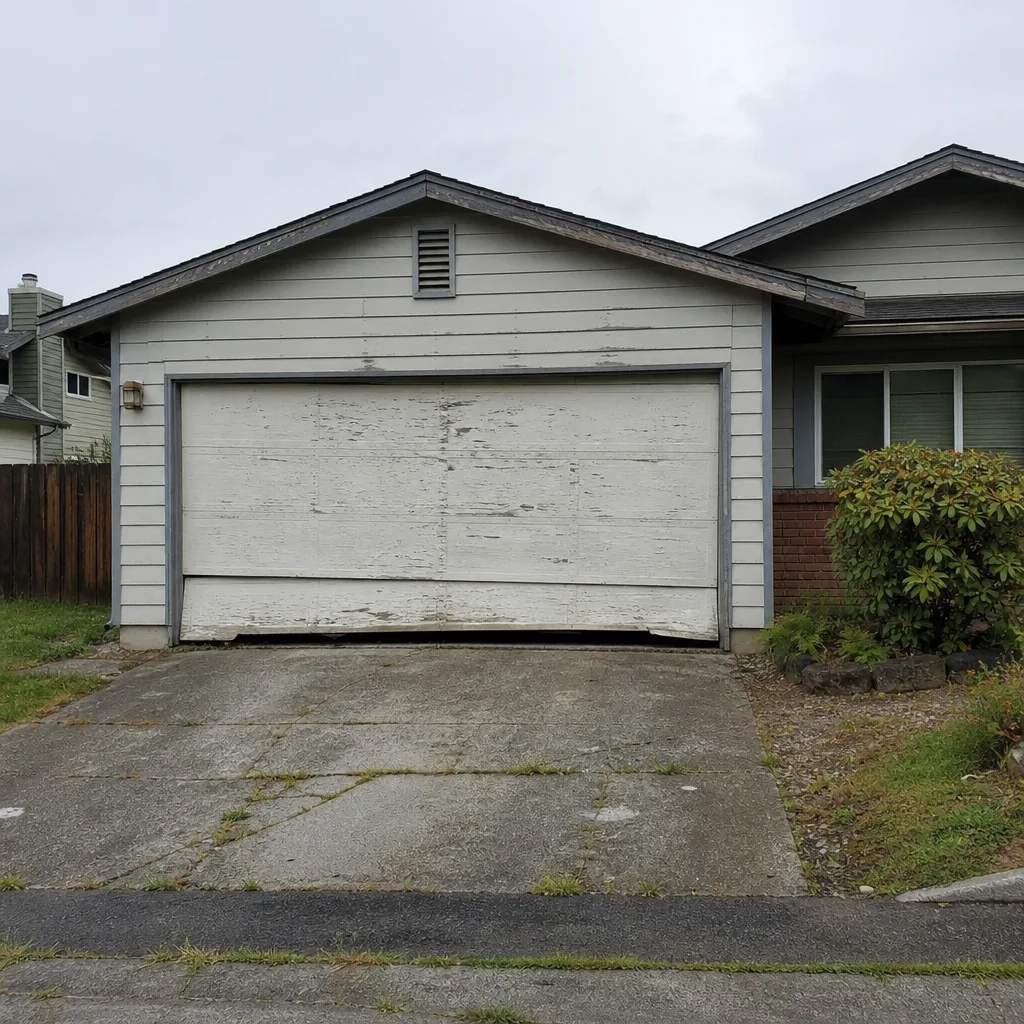
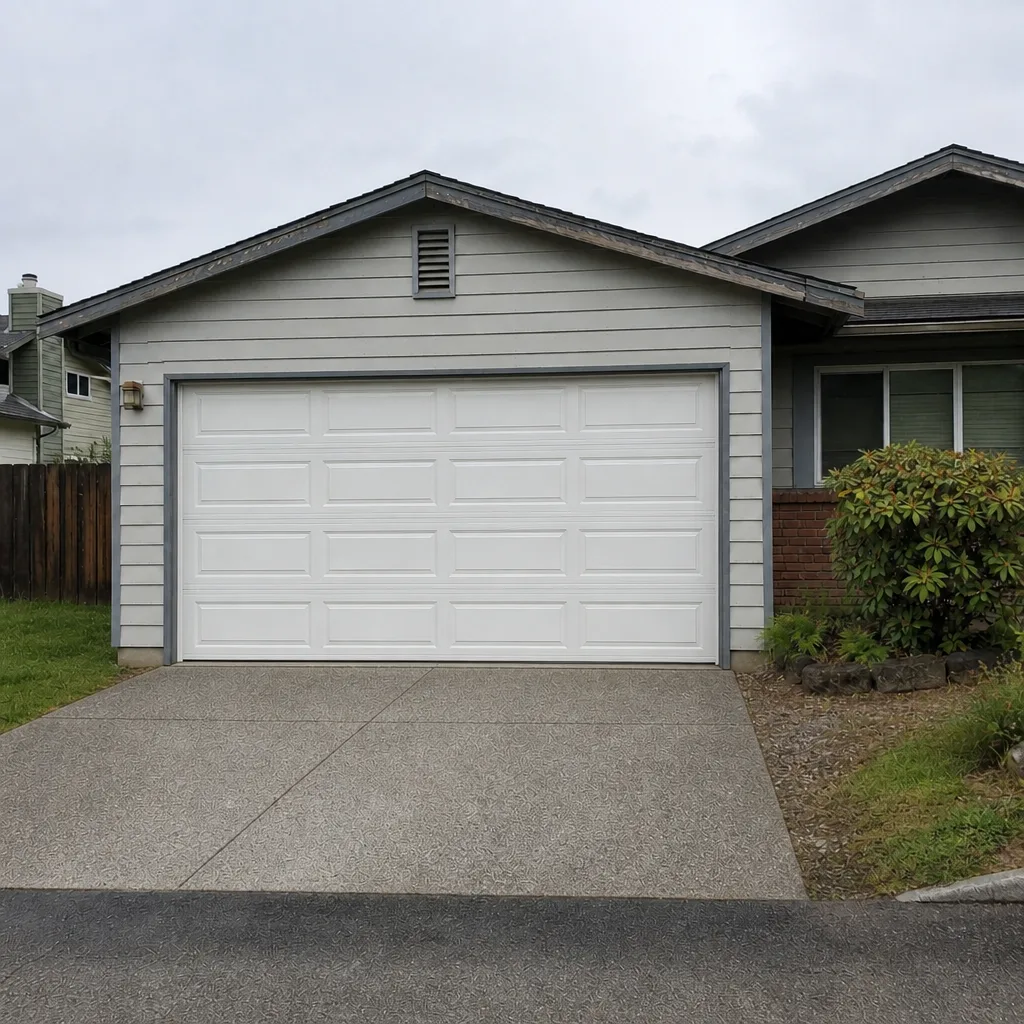
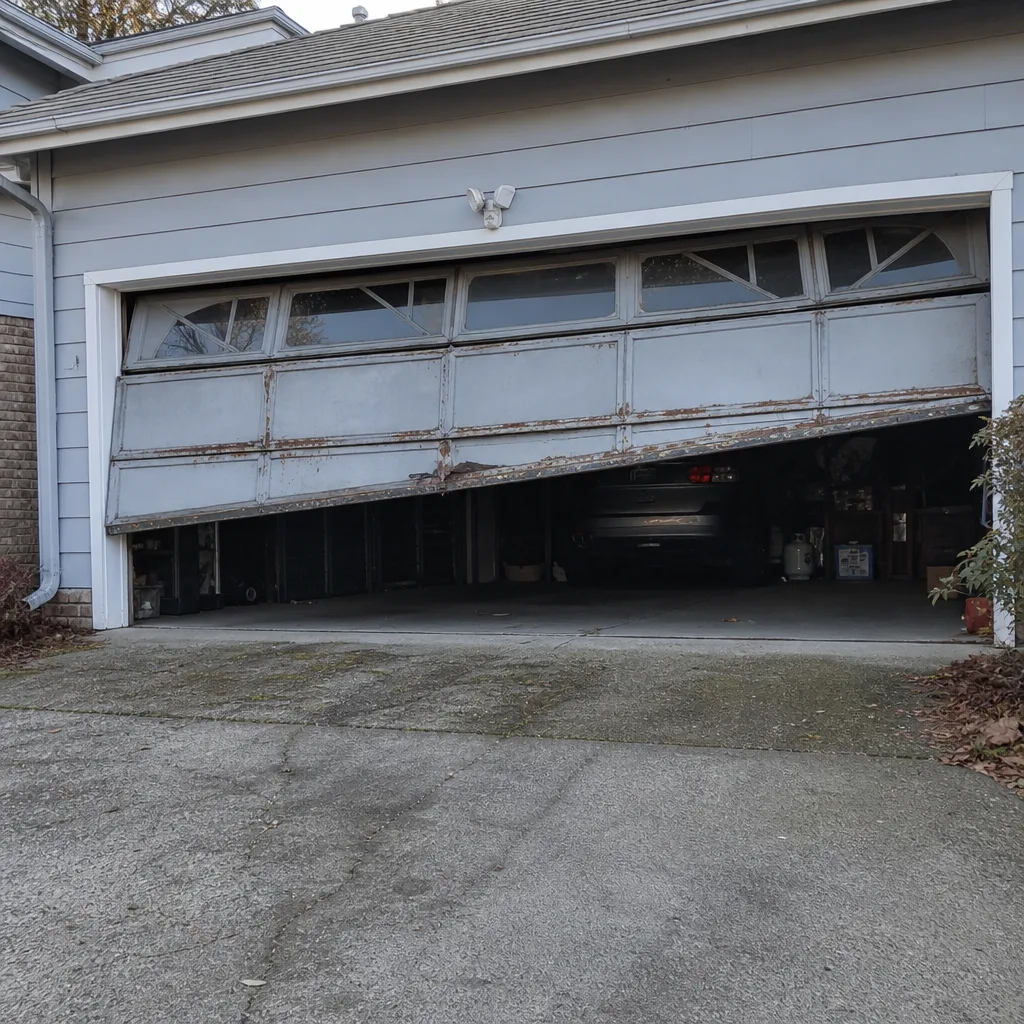
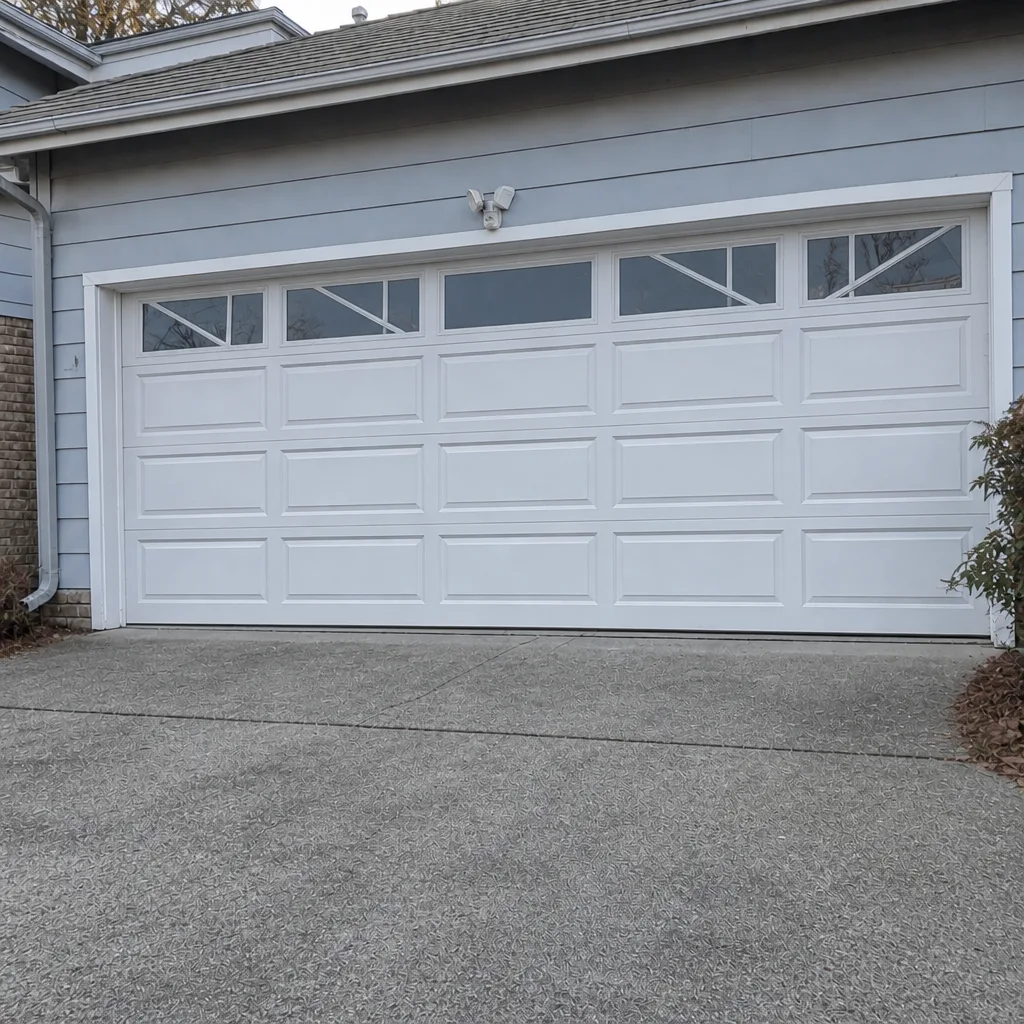
See the difference
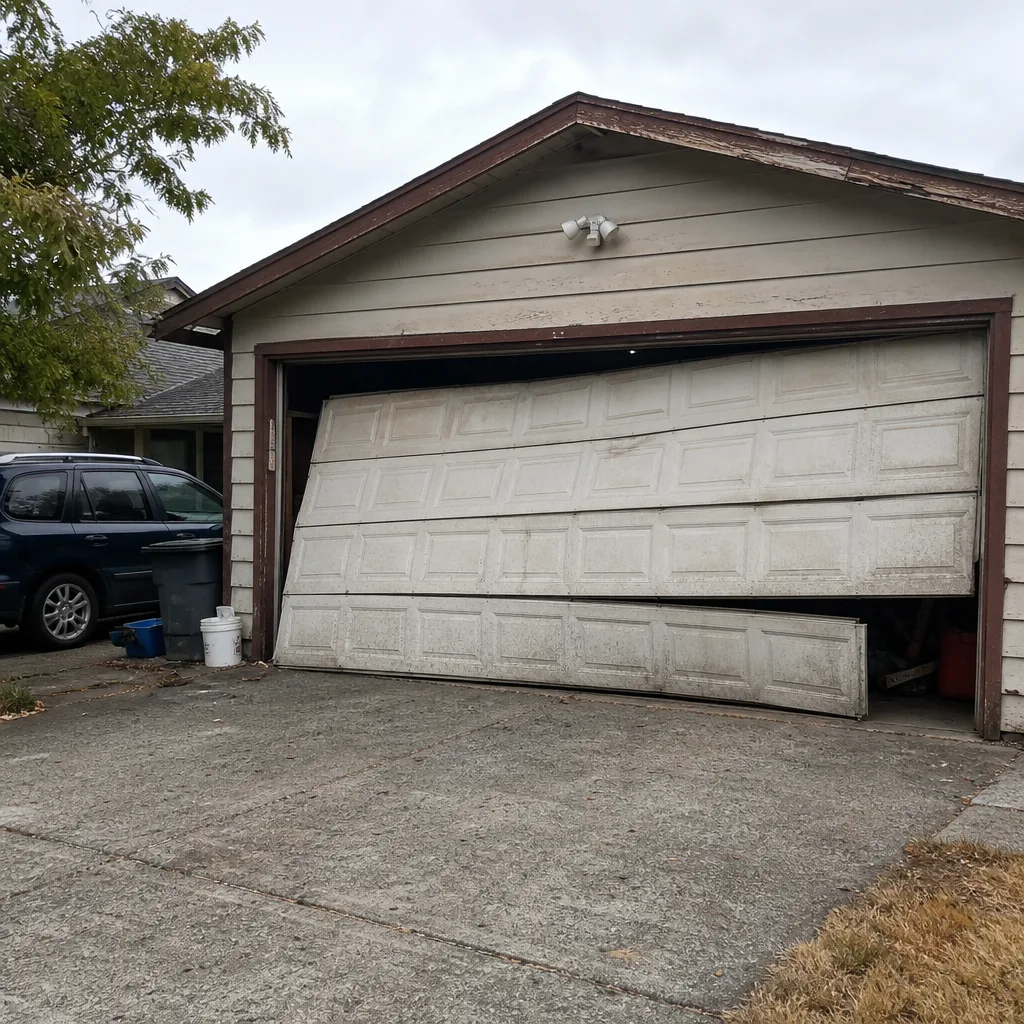 Before
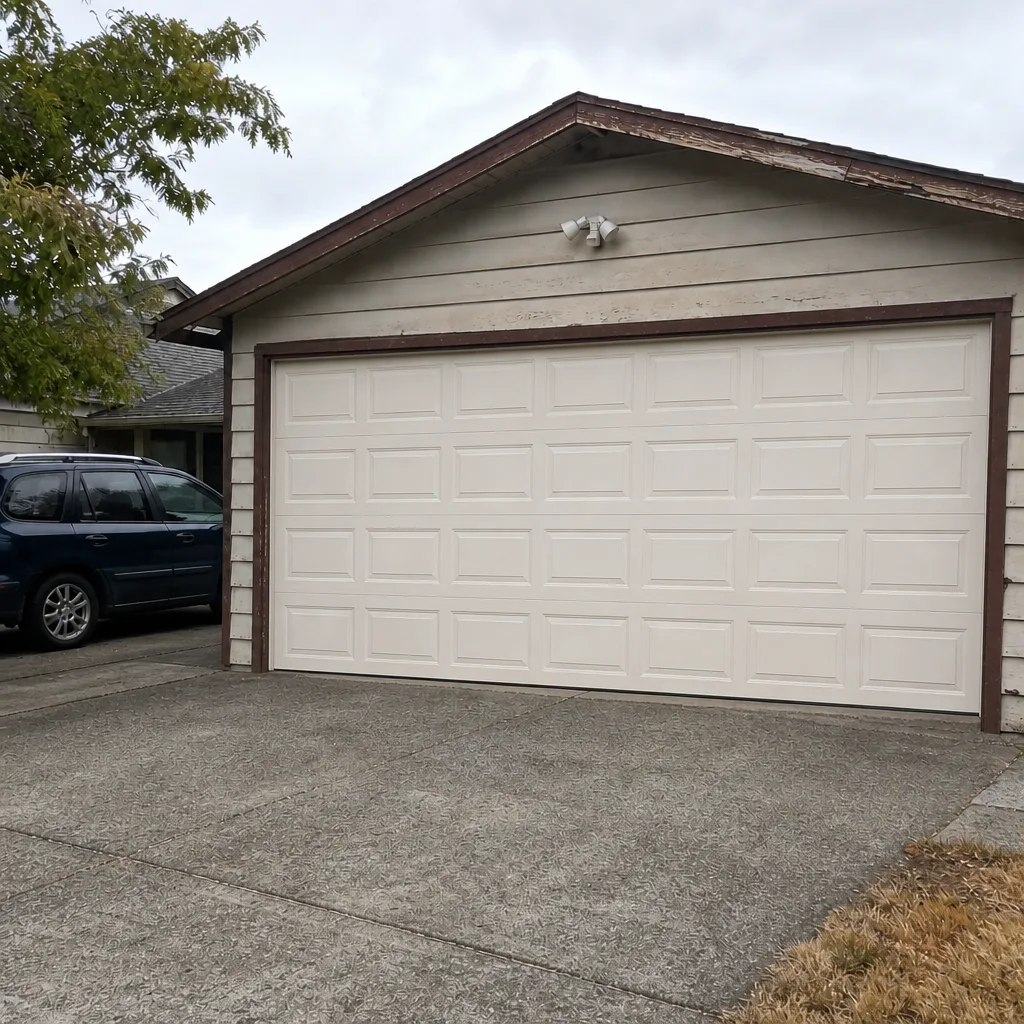 After
 Before
 After
 Before
 After
When to Call a Professional
Call us when a spring shows any visual cue from the spring section above, when a cable is frayed or kinked, when a track is visibly bent, or when the door fails any of the three safety tests after one small adjustment. Call when a drum has shifted. Call when the door doesn’t hold itself at halfway. And call when the door catches, grinds, or reverses on its own and nothing you’ve tried has changed the behavior. Our technicians have up to 14 years of experience, and we work on every major brand installed in Federal Way, including LiftMaster, Chamberlain, Genie, Clopay, Amarr, Wayne Dalton, Craftsman, and Raynor. Federal Way Garage Door Repair Pros offers free estimates in Federal Way. Call (866) 937-7597 and describe what you’re seeing. We’ll tell you what it likely is, what it likely costs, and whether it’s a repair or an install.
If you’re not sure where to start, our Federal Way Garage Door Repair Pros home page lists every service, and our garage door spring repair page covers the spring job in more depth.
Frequently Asked Questions
Twice a year for the full pass, in October and April to match our wet and dry seasons, plus a five-minute visual check in January and a quick dust-and-bolt check in July. Balance and safety tests should be run monthly, since they take under five minutes combined and catch the problems that would otherwise turn into emergency calls.
Look for a visible gap between two adjacent coils when the door is down, a dark band or uneven rust bloom concentrated on one section of the coil, faint silver hairline cracks catching the flashlight at a low angle, and unequal door lift with the opener disengaged. Any of these means stop using the door and call us at (866) 937-7597. Never touch a wound spring.
WD-40 is a water displacer and light solvent, not a lubricant. It strips existing grease and evaporates within weeks. In Federal Way’s wet Pacific Northwest climate, that leaves hinges and rollers bare during the moisture-heavy months, accelerating wear. Use white lithium grease on hinges and the torsion spring, and a garage-door-specific spray on nylon rollers.
It’s a sensor most of the time. Check that both photo-eye LEDs near the floor are steady, not flickering, and wipe the lenses with a dry cloth. On LiftMaster and Chamberlain openers, the LEDs are on the sensor units themselves; on Genie, often on the motor head. If the LEDs are steady and the door still reverses, then check springs and cables. If it’s still acting up, call (866) 937-7597 for an opener diagnostic.
We work on eight major brands: LiftMaster, Chamberlain, Genie, Clopay, Amarr, Wayne Dalton, Craftsman, and Raynor. That includes spring repair, cable work, roller and hinge service, opener diagnostics, and full installation. Brand-specific behavior matters because a Chamberlain travel limit issue is diagnosed differently than a Genie logic board fault.
Spring repair is quoted per job after a technician sees the door, since the price depends on spring type, door weight, and whether one or both springs need replacement. A matched pair is usually replaced together, because a single new spring against a worn partner will fail sooner. Call (866) 937-7597 for a free estimate. The written quote is the final price, agreed before any work begins.
The Bottom Line
A garage door maintenance checklist only works if you know what you’re actually looking for. In Federal Way, that means spring wear you can see from the floor (coil gaps, dark bands, hairline cracks), cable fraying hidden in the drum wrap, proper lubricants that survive our wet season, and a seasonal timing that follows October rain and July drying rather than generic advice. Run the balance and safety tests monthly. Do the full pass in October and April. Don’t touch springs or cables yourself. And when something on this list looks wrong, call before it becomes an emergency.
Federal Way Garage Door Repair Pros works on every major installed brand, from LiftMaster openers to Clopay and Amarr doors, with technicians who have up to 14 years of experience. We’ll tell you what needs fixing, what can wait, and whether repair or replacement makes more sense for your situation. Free estimates available. Call us at (866) 937-7597 today.
Written by the team at Federal Way Garage Door Repair Pros.