Last updated November 21, 2026
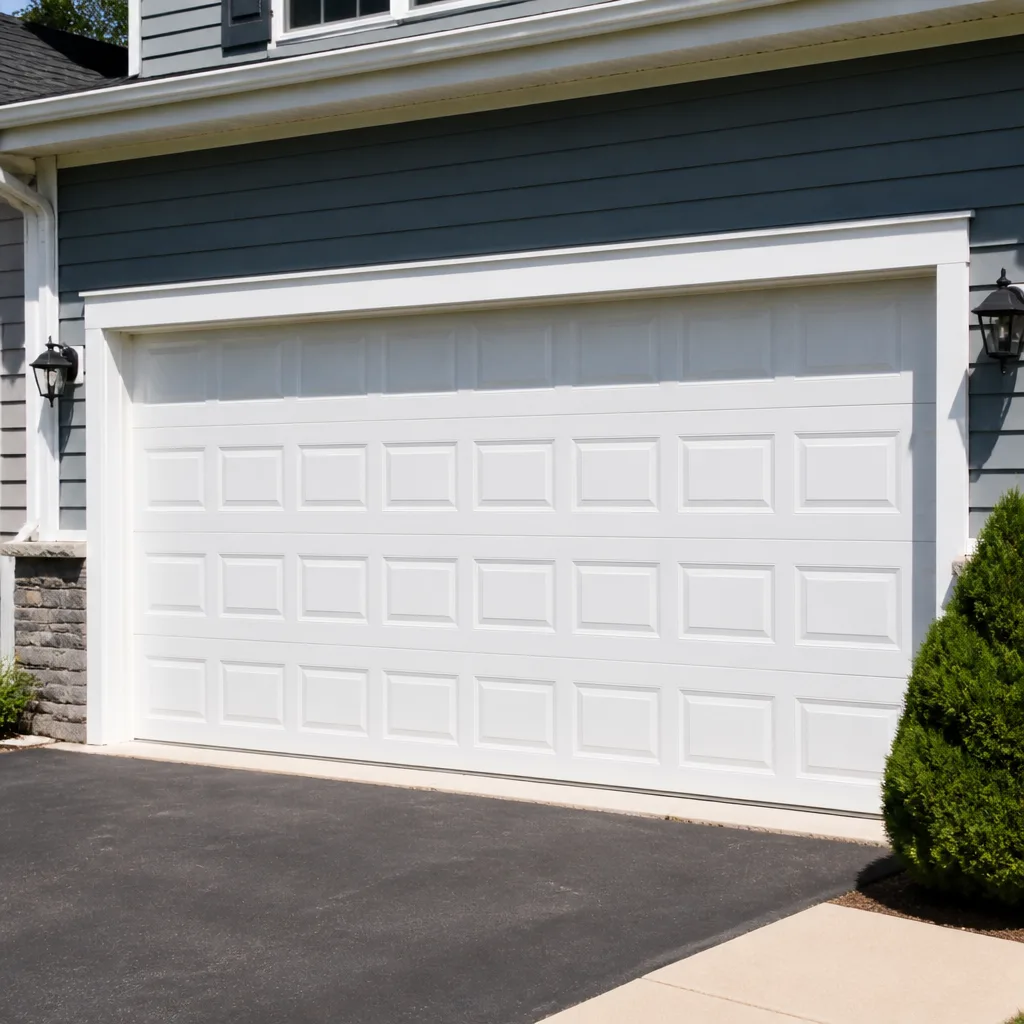 Raised-panel steel
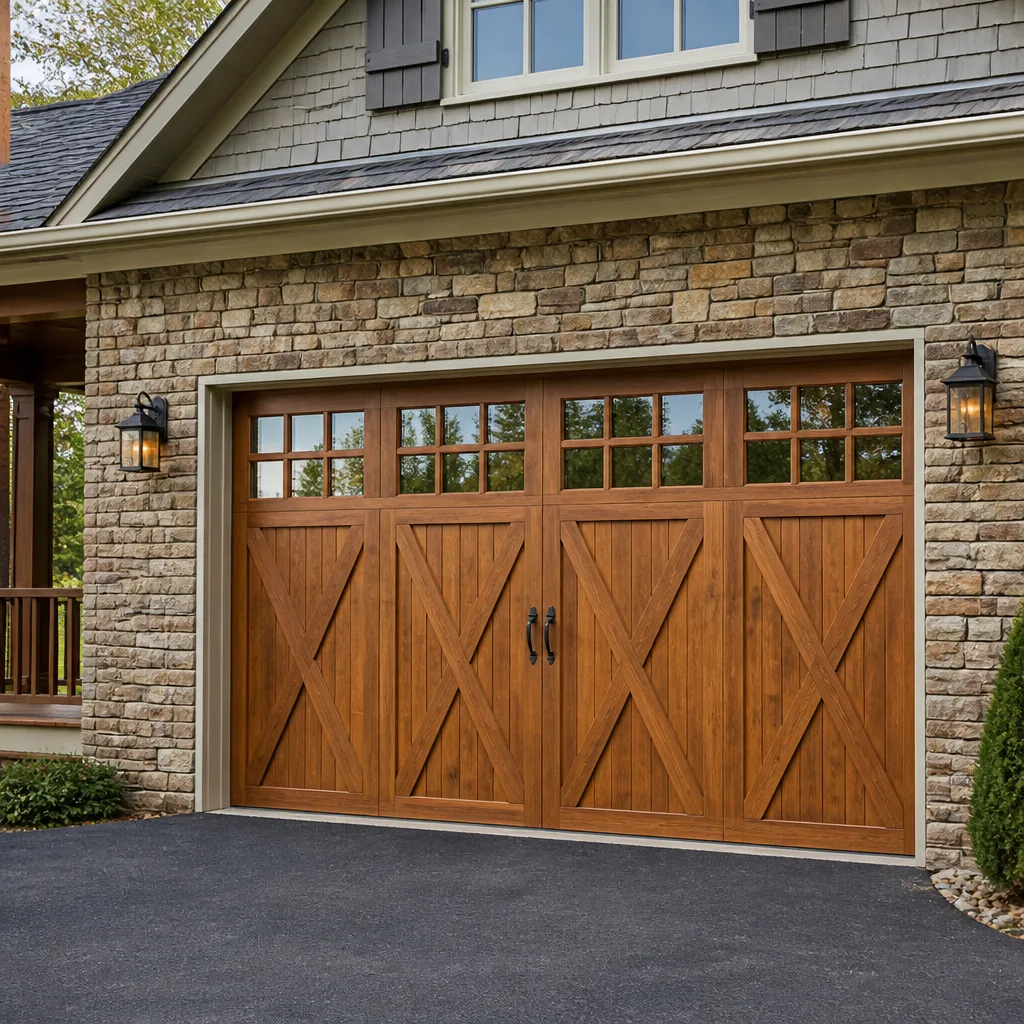 Carriage house
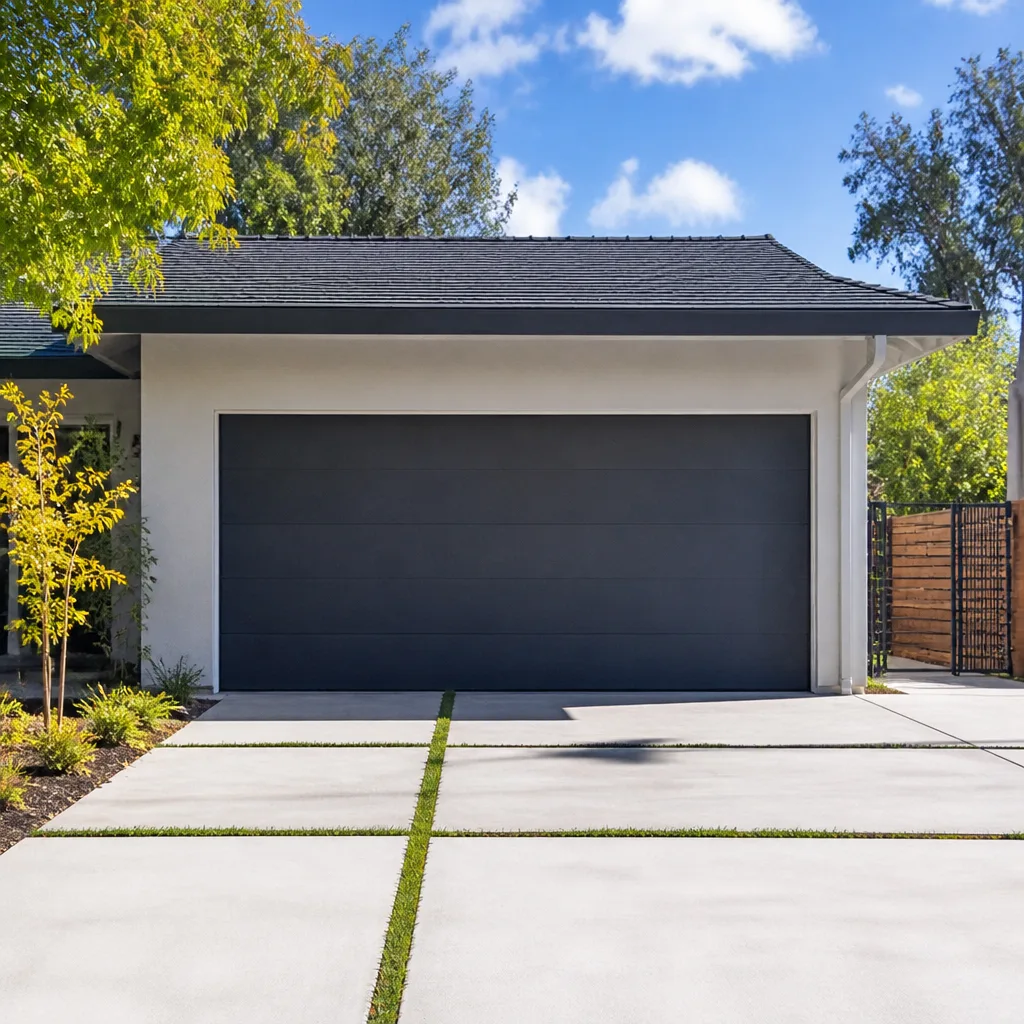 Modern flush
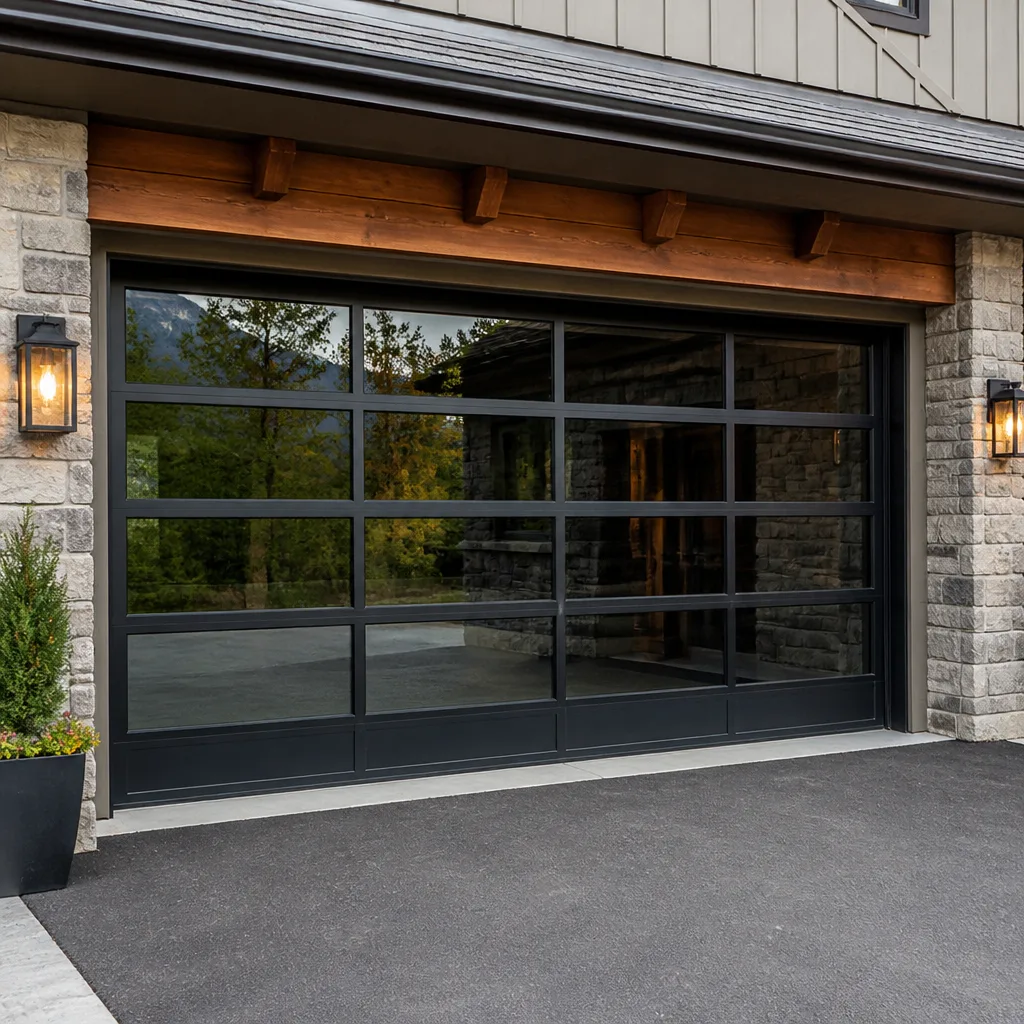 Full-view glass
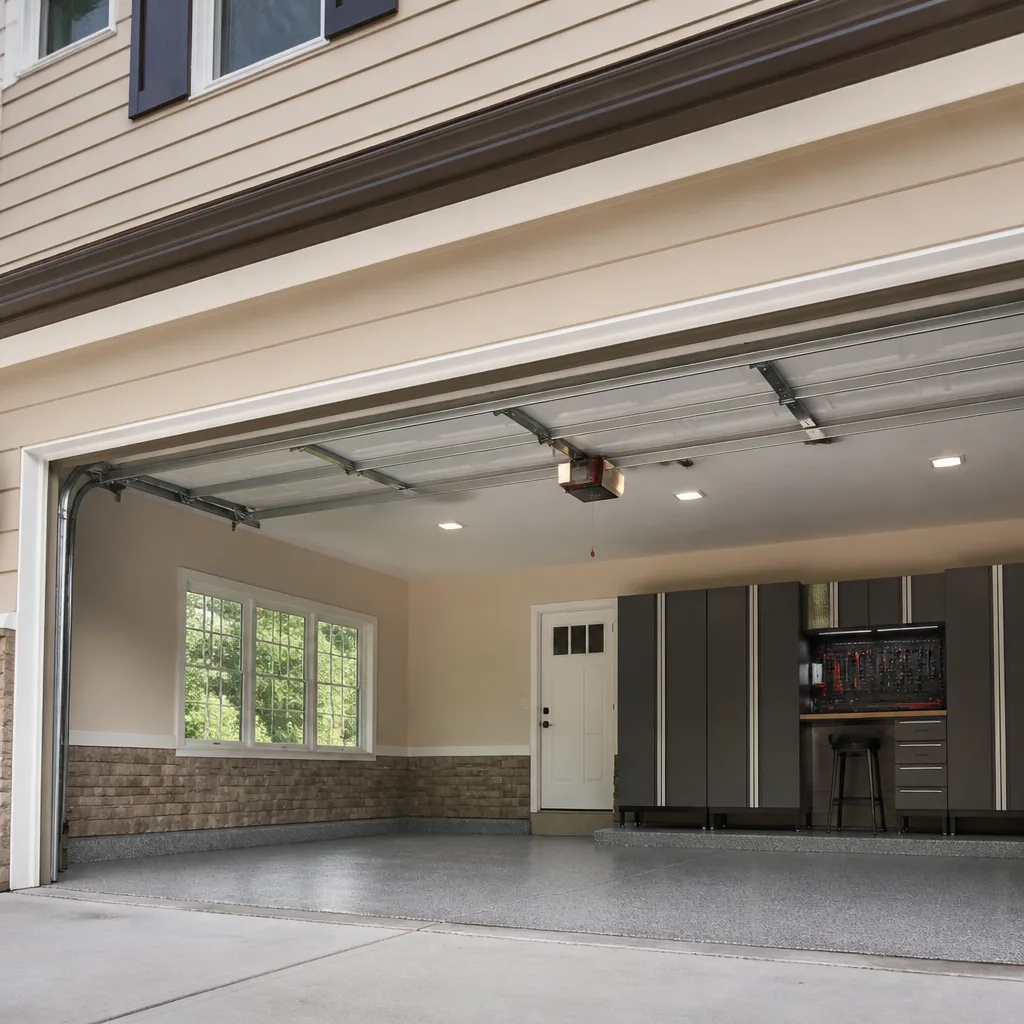 LiftMaster openers
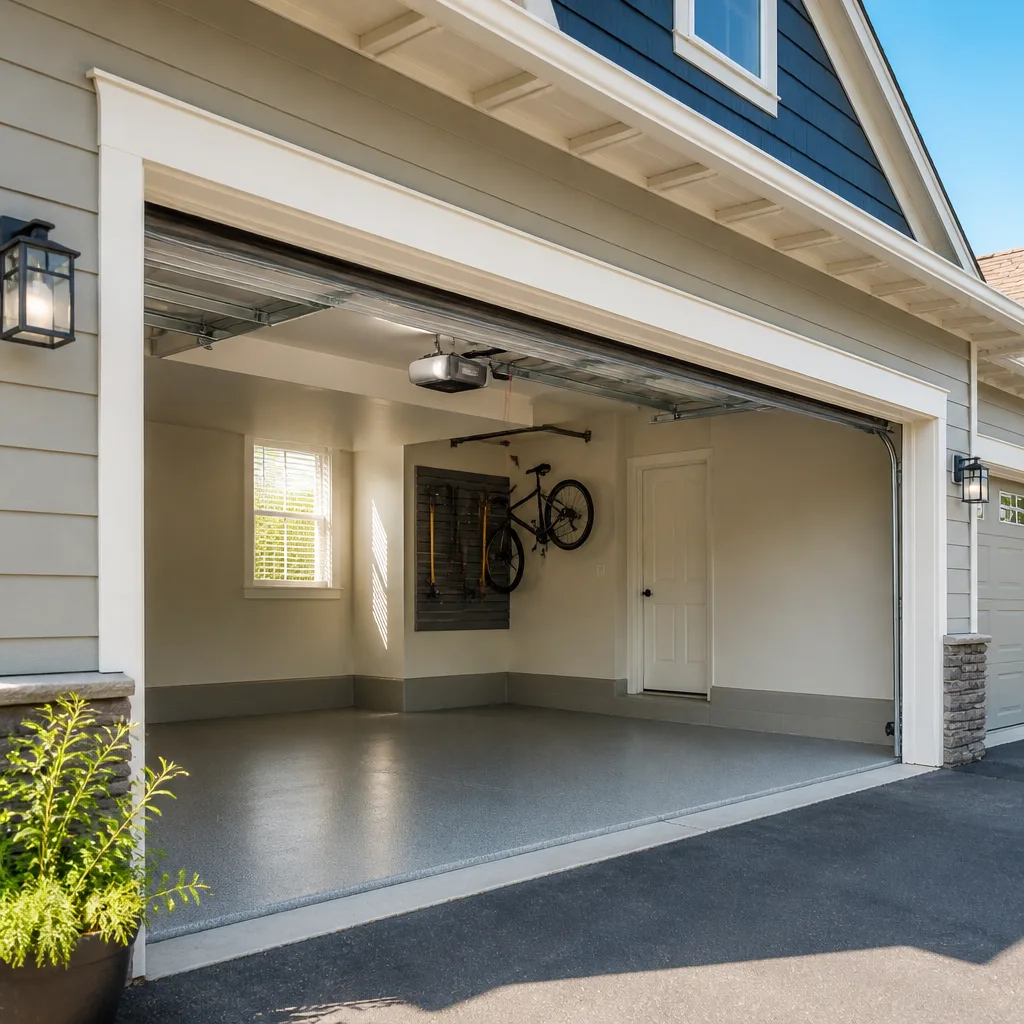 Chamberlain openers
Full 25-point door and opener safety check with every visit - springs, cables, rollers, tracks, and your LiftMaster or Chamberlain opener included
You get a price before we start. It does not change when the pro arrives.
Get your free estimateSeasonal Garage Door Care for Federal Way: Year-Round Homeowner’s Guide
Most garage door maintenance advice you’ll find online was written for the Midwest. It warns about hard freezes snapping springs and ice jamming tracks, and it’s not wrong for Minnesota. But Federal Way doesn’t work that way. Here, the door’s real enemy is eight months of steady wet weather followed by a dry summer that shrinks and cracks whatever the moisture swelled. Homeowners who maintain for freeze-thaw are prepping for problems this city rarely has, while the damage that actually shortens a door’s life builds quietly through the rainy season. This guide covers what to actually watch for in Federal Way, month by month, so a small fix in October doesn’t turn into a spring replacement in July.
Quick Answer
Garage door care in Federal Way should follow the local moisture calendar, not a generic twice-a-year schedule: prep seals and drainage before the October rains, lubricate and check hardware through the wet months, inspect for swelling and corrosion in spring, and address UV cracking and warped wood in the dry summer. The two highest-risk windows are the start of the rainy season in fall and the dry stretch in late summer. A quick visual check each season catches most problems before they become repairs.
Styles & brands we work with
- Raised-panel steel
- Carriage house
- Modern flush
- Full-view glass
- LiftMaster openers
- Chamberlain openers
Table of Contents
- Why Federal Way Garage Doors Age Differently
- Fall Prep Before the Rainy Season
- Winter Operation in a Wet, Mild Climate
- Spring Inspection After the Wet Season
- Why Summer Is the Riskiest Season for Wood Doors
- A Lubrication Schedule Built for Federal Way
- A Simple Seasonal Checklist
- Common Mistakes to Avoid
- When to Call a Professional
Why Federal Way Garage Doors Age Differently
Federal Way sits in a stretch of the Pacific Northwest where the rain arrives in October and doesn’t really leave until late spring. That’s a long, slow soak, and it does two things to a garage door that a hard freeze never would. It keeps wood and wood-composite panels damp for months, and it keeps metal hardware, hinges, and fasteners in a state of near-constant humidity. Neither produces a dramatic failure on its own. They work together, and the result shows up months later, usually in fair weather when nobody’s thinking about the door.
The pattern we see most often in Federal Way goes like this. Panels and frames absorb moisture through the wet season and swell slightly. Then summer arrives, the air dries out, and that swollen wood shrinks back. Repeated year after year, that cycle opens hairline cracks, loosens joints, and lets the paint film fail. Meanwhile the bottom seal, which sits against wet concrete for months, hardens and loses its flexible edge. By the time a homeowner notices the door dragging or a draft coming in, the season that caused it is long gone.
The takeaway is simple: in Federal Way, you maintain against moisture and UV, not against ice. If you’ve been following a Midwest maintenance calendar, you’ve been solving for the wrong climate.
Fall Prep Before the Rainy Season
The most useful garage door work you’ll do all year happens in the few weeks before the October rains settle in. Everything you seal, tighten, and clear now is something the wet season can’t get into later. Think of it as battening down for a long, damp stretch rather than a cold one.
- Inspect the bottom seal. Run a hand along the bottom rubber and look for cracks, flat spots, or a gap where it meets the floor. A seal that’s already stiff won’t keep water out through a Federal Way winter, and water at the threshold is the start of most floor and frame problems.
- Check the weatherstripping on the sides and top. Any gap lets wind-driven rain reach the door’s edges, where it does the most damage to wood and paint.
- Clear the drainage around the door. Look at how water leaves the apron and driveway in front of the garage. If it pools against the door, no seal will hold it back for long. Correcting the grade or extending a downspout on a dry day saves a lot of grief.
- Tighten hinges, track bolts, and the brackets that hold the track. Loose fasteners let the door shift slightly, and a shifting door wears its seals unevenly.
- Seal or repaint exposed wood edges. The cut ends of wood panels and any bare spots soak up moisture fastest. A coat of paint or sealer before the rain starts is worth more than one applied in spring.
- Test the door’s balance by hand. Disconnect the opener and lift the door halfway. It should stay put. If it drifts down or feels heavy, the springs need attention before the wet season adds strain.
If your door is a wood or composite model and you can only do one thing before October, make it the seal and paint check. Those two protect everything underneath.
Winter Operation in a Wet, Mild Climate
Federal Way winters are mild by national standards, but they’re damp, and a damp cold is harder on a door’s moving parts than a dry freeze in some ways. The problems here aren’t frozen springs. They’re swollen frames, seals that stick to wet concrete, and openers working harder than they should in cold, heavy air.
Watch for these winter-specific issues:
- The door dragging on swollen frames. Wood frames absorb moisture and grow slightly, tightening the gap around the door. If the door scrapes or hesitates on one side, the frame may be the cause rather than the track.
- Bottom seals sticking to wet concrete. A seal that contacts wet, cold concrete can grip as the door lifts. You’ll hear the opener strain at the start of the cycle. A dry lubricant on the seal edge helps, and so does keeping the threshold clear.
- Opener strain in cold, humid air. The door is heavier in winter, and the opener compensates by working harder. If a LiftMaster or Chamberlain opener starts reversing for no reason, the door’s resistance may have changed with the weather, not because the opener failed.
- Track and roller noise. Cold, damp air makes metal-on-metal contact louder. Noise that appears only in winter is usually a lubrication and alignment issue, not a worn-out door.
If your opener is reversing or straining, that’s a sign worth acting on. Our garage door opener repair technicians look at the drive, the sensors, and the logic board together, because a weather-related strain often looks like an electronics fault from the outside.
Spring Inspection After the Wet Season
By the time the rain finally lets up, the door has been through months of moisture. This is the moment to catch what the wet season did before it gets forgotten until something breaks. A spring inspection is quick and mostly visual, and it’s the single best time to find small problems in Federal Way.
- Look for corrosion on hinges, rollers, and fasteners. Rust that’s just starting can be cleaned and treated. Rust that’s been growing since October may mean a part needs replacing.
- Check wood panels for swelling, bubbling paint, or soft spots. Press gently on the lower panels, which see the most moisture. Soft wood is a repair-now situation.
- Test the bottom seal again. After a winter of contact with wet concrete, a seal that was firm in fall may now be hard or torn.
- Inspect the springs for rust and wear. Torsion springs above the door and extension springs along the sides are high-tension parts. Look from a distance for rust, gaps, or visible stretching. Don’t try to adjust or replace them yourself; that’s the most dangerous job on the whole door.
- Run the door and listen. Grinding, squealing, or a door that travels unevenly points to rollers, track alignment, or a spring losing tension.
If anything here looks off, it’s worth a professional look before summer heat adds UV stress on top of moisture damage. Springs in particular should be handled by someone trained for it; our dedicated garage door spring repair service exists because that component deserves specialist handling, not a generalist’s guess.
Why Summer Is the Riskiest Season for Wood Doors
This is the counterintuitive part. Summer looks like the safe season, and for metal doors it mostly is. But in the Pacific Northwest, summer is when wood and wood-composite doors pay for the winter. After months of absorbing moisture, the dry air pulls it back out, and that shrinking opens cracks and loosens paint. Add UV exposure, which is stronger here in summer than a lot of homeowners expect, and the door’s surface dries and cracks faster than in any other season.
What to watch for in Federal Way summers:
- Cracking and checking in the panels. Small vertical or horizontal cracks often appear as the wood dries. Sealing them quickly keeps moisture out next fall.
- Paint film failure. Blistering or peeling paint in summer usually traces back to moisture trapped under the surface during the wet season. Scrape, dry, and reseal before the next rain.
- Warped panels. A panel that’s been swelling and shrinking for several seasons can warp as it dries, and a warped panel may not seal properly when the weather turns.
- Dry, brittle seals and weatherstripping. UV dries out rubber. A seal that was flexible in spring can be cracked by late summer.
The fix is unglamorous but effective: inspect and reseal wood surfaces in summer, and check that every seal is still pliable. If a door is showing serious warping or repeated cracking no matter how often it’s sealed, it may be time to weigh repair against replacement. We’ll tell you which one actually makes sense for your situation rather than pushing a new door.
A Lubrication Schedule Built for Federal Way
Generic advice says to lubricate your garage door twice a year. That’s fine as a floor, but it doesn’t match what Federal Way’s climate actually does. Humidity and a long wet season dry out and wear moving parts faster than in a dry climate, and the calendar should reflect that. Here’s a schedule tied to the local weather instead of a national average.
| When | What to Lubricate | Why Now |
|---|---|---|
| Late September, before the rains | Hinges, rollers, springs, track (light coat), lock | Sets up protection before months of humidity |
| Mid-winter, a damp stretch | Hinges, rollers, opener drive (per manufacturer guidance) | Moisture and cold-damp air wear moving parts |
| Early spring, after the wet season | All moving parts, plus a check for corrosion | Clears any corrosion that started in winter |
| Mid-summer | Rollers, hinges, and the bottom seal edge | Heat and UV dry out rubber and lubricant |
A few practical notes. Use a garage-door-specific lubricant, not household oil or grease that can attract grit. Keep lubricant off the track’s flat surfaces where the rollers ride; a little on the roller bearings and hinges is what matters. If you have a Raynor or Genie opener, follow the drive-system guidance in its manual, since the right lubricant differs by drive type. Four light passes a year in Federal Way beats two heavier ones in a climate this wet.
A Simple Seasonal Checklist
You don’t need to do everything at once. Spread the work across the year, matching the season, and the door stays ahead of the weather. Here’s a checklist you can keep:
- Before October: inspect and replace the bottom seal if needed, check side and top weatherstripping, clear drainage, seal exposed wood, tighten hardware.
- Through the wet season: lubricate moving parts once mid-winter, listen for new noise, watch for dragging or sticking.
- After the rain ends: check for corrosion, swelling, and soft wood; test springs visually from a safe distance; run the door and listen.
- In summer: reseal or repaint wood surfaces, check for cracking and warping, confirm seals are still flexible, lubricate again.
- Every time you check: test the door’s balance by hand and make sure the safety sensors on the opener are working.
Five minutes each season is enough to spot most of it. The trick is doing it at the right time for Federal Way, which means fall and summer are the bookends that matter most.
Common Mistakes to Avoid
- Following a Midwest maintenance calendar. Prepping for hard freezes leaves your door exposed to the moisture damage that actually happens here. Match your routine to Federal Way’s wet-then-dry pattern.
- Ignoring the bottom seal until it’s shredded. The seal is your door’s first line against water intrusion. A cheap, easy replacement in fall prevents floor and frame problems that aren’t cheap or easy.
- Over-lubricating the track. Slathering grease on the flat of the track attracts grit and makes rollers slip. Lubricate the roller bearings and hinges, not the rail surface.
- Adjusting springs yourself. Springs are under high tension and cause serious injury when handled wrong. Leave spring work to a trained professional; this is the one job on the door you don’t DIY.
- Painting over moisture. Repainting a wood door in summer before it’s fully dry traps moisture under the new paint and guarantees peeling. Make sure the surface is dry and sound first.
- Assuming winter noise means a worn-out opener. Cold, damp air makes a door louder, and the opener often gets blamed. Check the door’s balance and weatherstripping before assuming the opener failed.
- Skipping the summer inspection. Summer is when moisture damage from winter shows up as cracks and warping. It’s the season most people skip, and the one that costs the most to ignore.
When to Call a Professional
Most of the seasonal care in this guide is safe for a homeowner to handle: seals, weatherstripping, lubrication, cleaning, and visual checks. But some situations call for a trained technician. Call us when a spring looks rusted, stretched, or broken; when the door is out of balance, dragging, or coming off its track; when an opener reverses, strains, or stops responding; when wood framing or panels are soft or warped; or when a door won’t close and you need it secured. We work on the brands homeowners actually own, including Raynor, LiftMaster, Chamberlain, and Genie, so we diagnose by brand-specific behavior instead of guesswork. If a door fails and you need it handled as a same-day safety or security issue, emergency service is available. Federal Way Garage Door Repair Pros offers free estimates in Federal Way, and every price is quoted and agreed before any work starts. Call (866) 937-7597.
Whether you need a repair or a full replacement, our garage door repair team can look at the whole system and tell you what’s worth fixing. For a broader look at what we cover across the area, start at Federal Way Garage Door Repair Pros.
See the difference
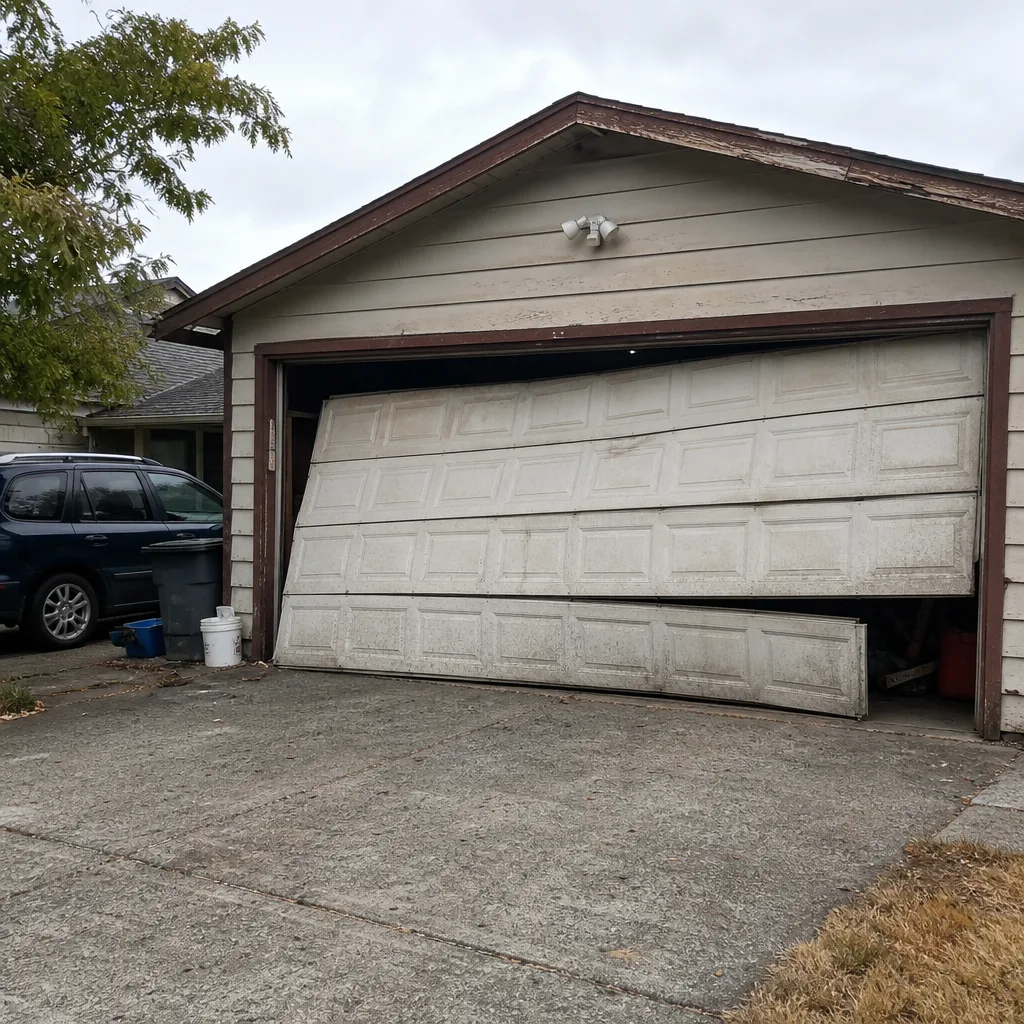 Before
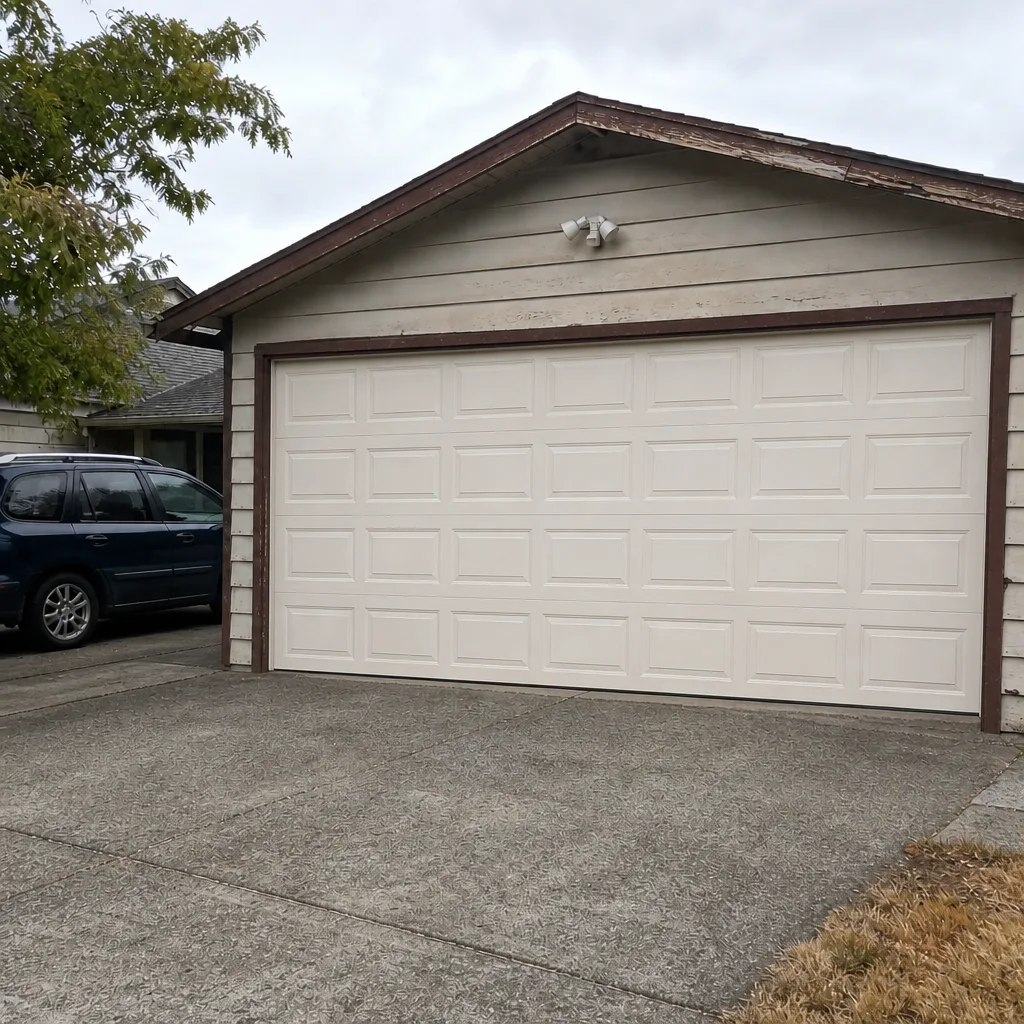 After
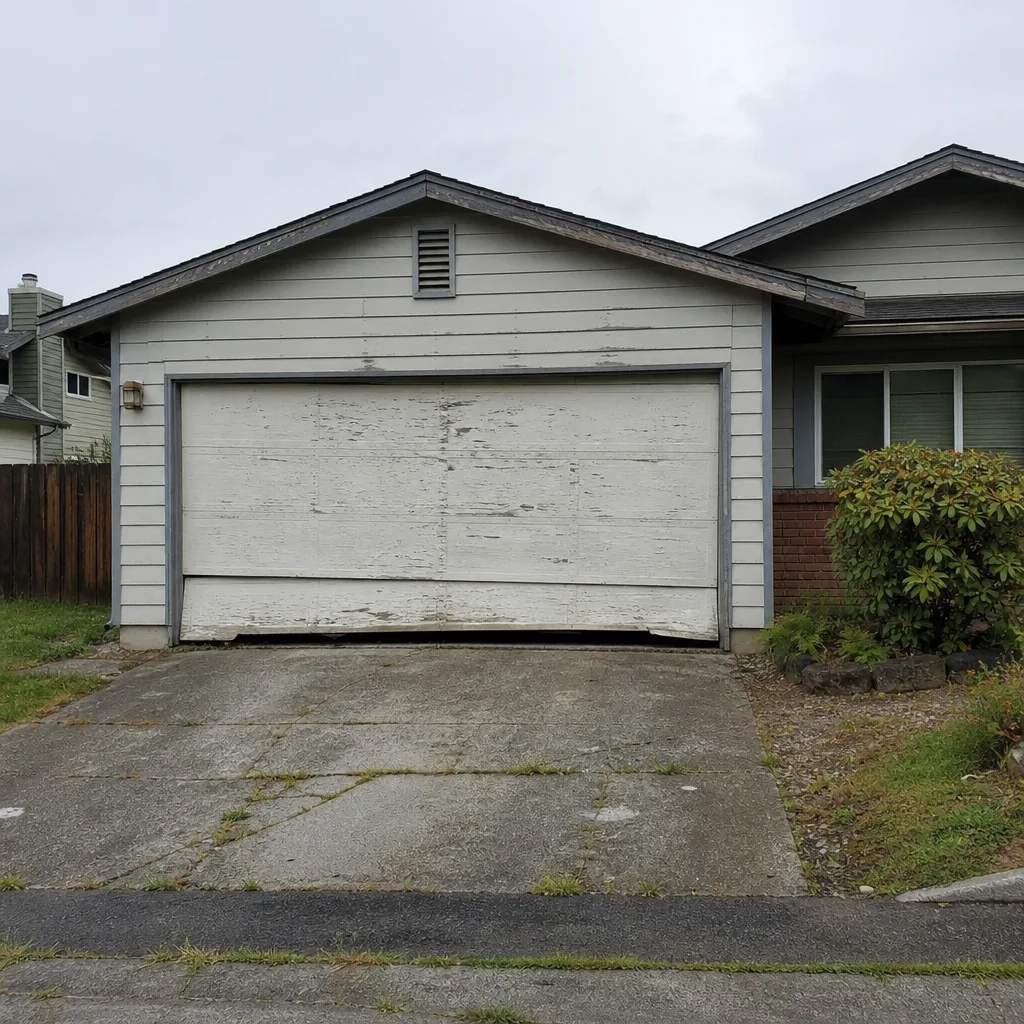 Before
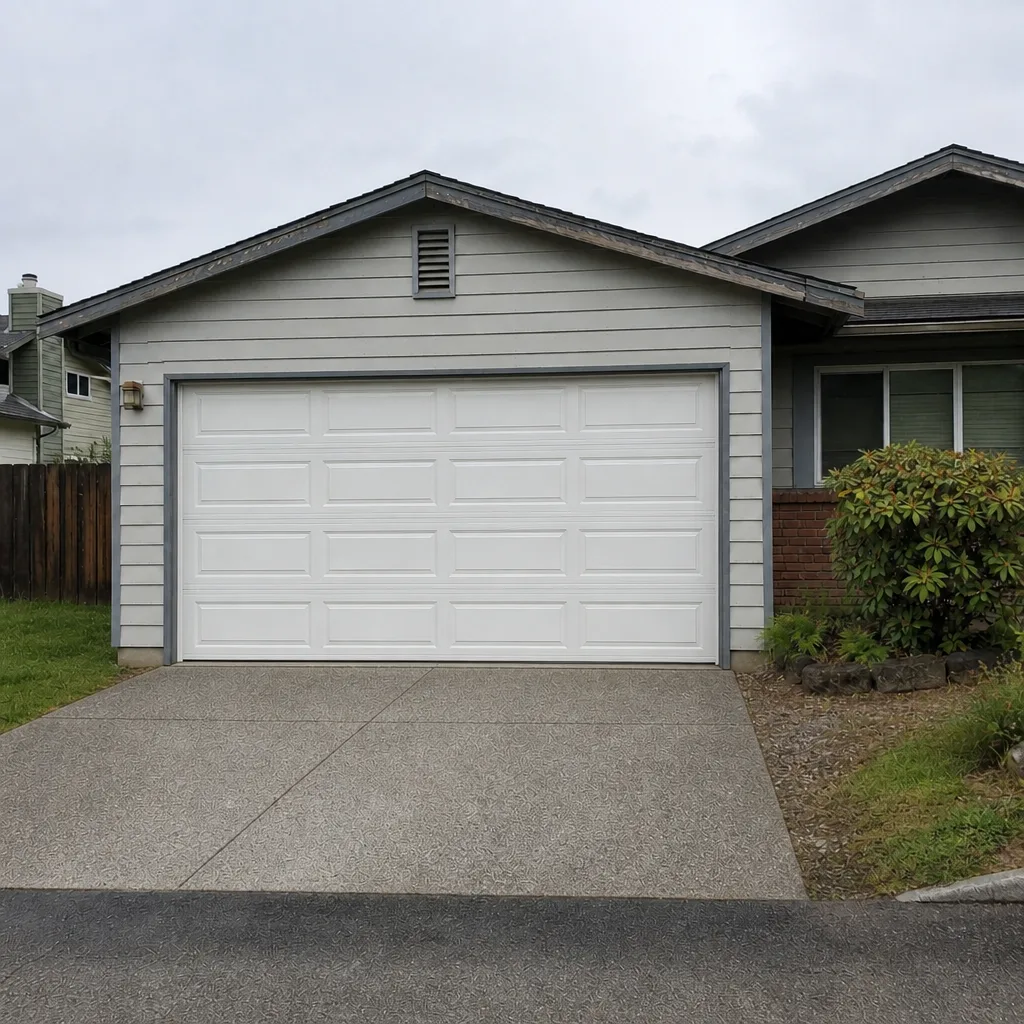 After
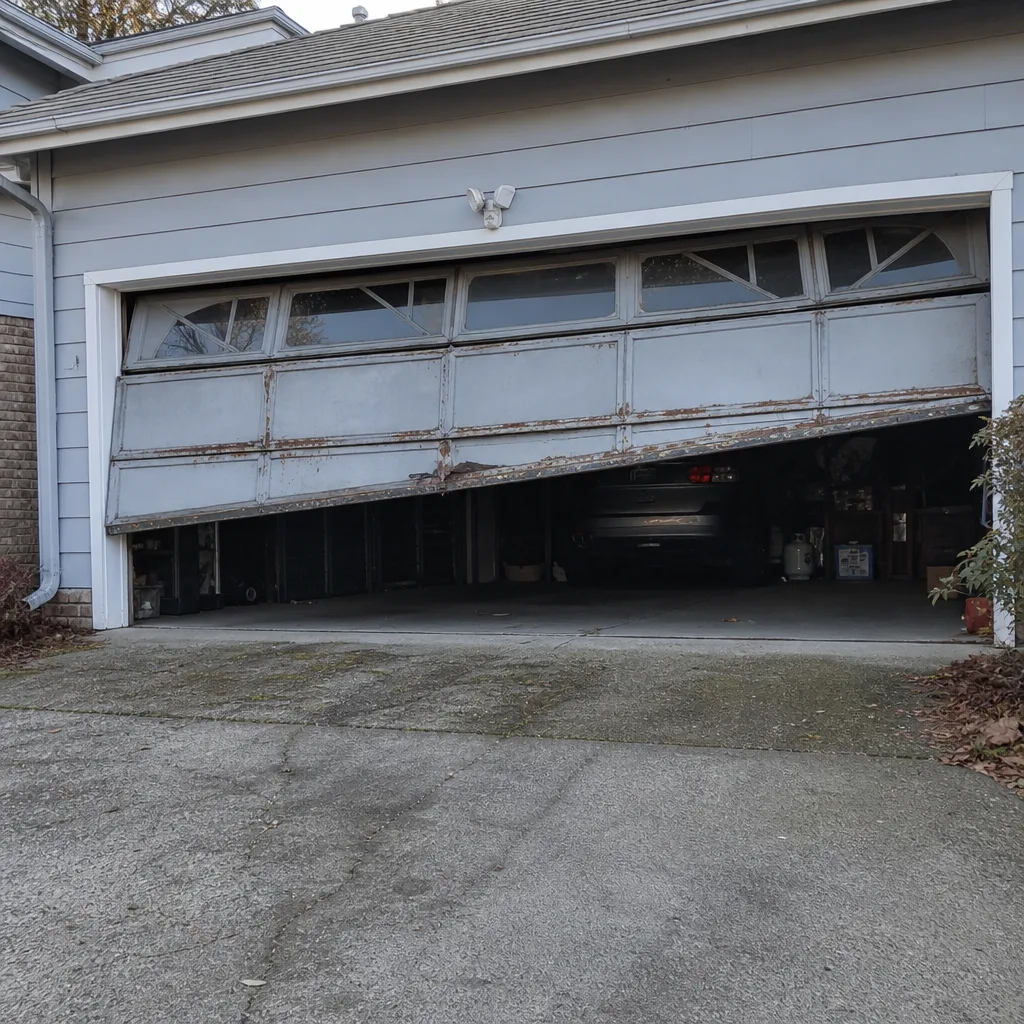 Before
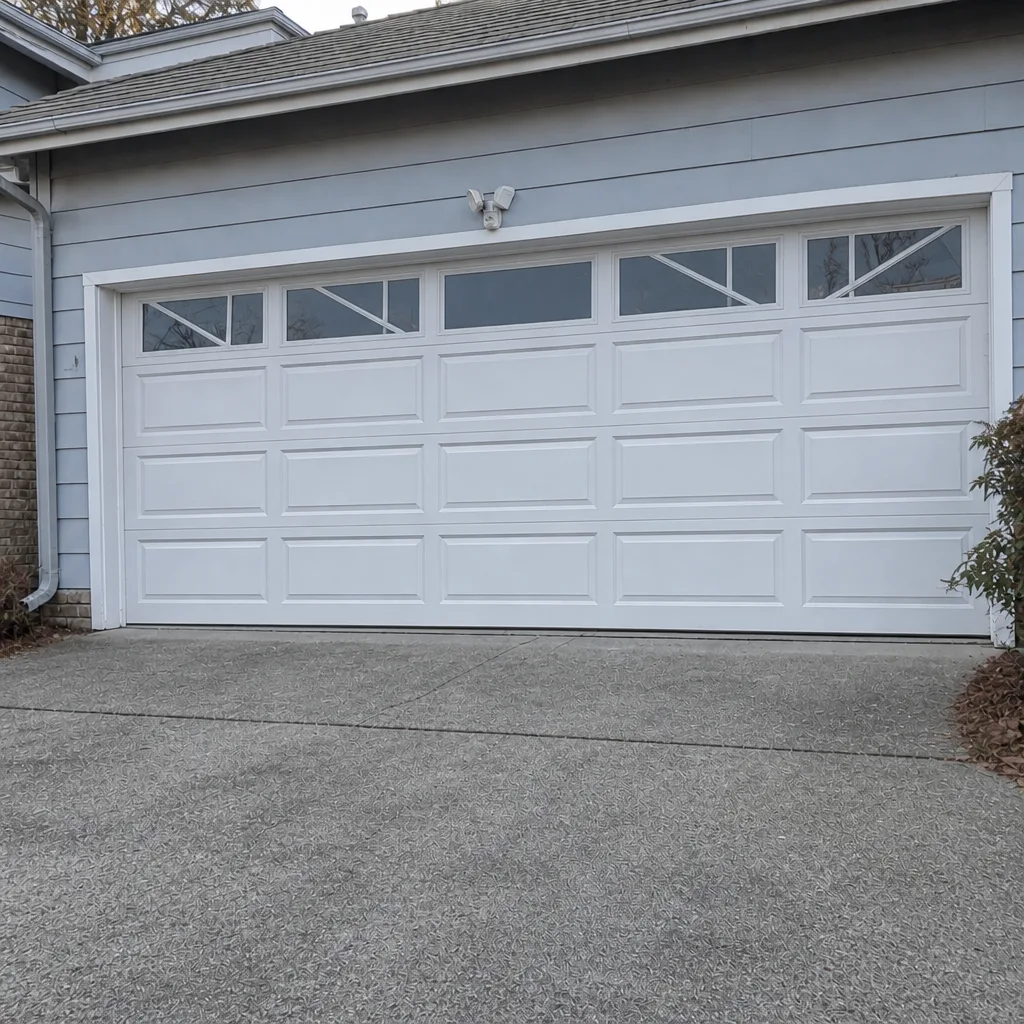 After
Frequently Asked Questions
About four times a year, timed to the local seasons: before the October rains, once mid-winter, once after the wet season in spring, and once in summer when UV and dry air peak. That’s more often than the generic twice-a-year advice because Federal Way’s long wet season and dry summer both stress the door. Pair each check with a light lubrication pass and a visual inspection.
Because the winter moisture swells the wood and the dry summer shrinks it back. That swelling and shrinking cycle, repeated year after year, opens hairline cracks and loosens the paint film. Summer is when the damage from the wet season becomes visible. Resealing and repainting in summer, once the wood is dry, protects it before the next rainy season.
For wood and wood-composite doors, yes. Federal Way rarely gets the hard freezes that cause dramatic winter failures, so the winter damage here is slow: corrosion and moisture absorption. Summer then dries the door out and adds UV exposure, which is when cracks and warping appear. Metal doors are less affected, but their seals still dry out in summer heat.
In a wet, mild climate the usual cause is a swollen wood frame tightening around the door, or a bottom seal gripping cold, wet concrete. That changes the door’s resistance and makes the opener work harder. Check the weatherstripping and seal first, and test the door’s balance by hand. If it still strains, call (866) 937-7597 and we’ll take a look.
No. Springs are the most dangerous component in the whole system and are under high tension. A spring that’s rusted, stretched, or broken should be handled only by a trained technician. We treat spring repair as a dedicated job for exactly that reason. Call us for a free estimate rather than risking an injury.
We’re closed Saturday. We’re open Sunday through Friday, 7am to 7pm, so call (866) 937-7597 on one of those days for a free estimate. If a door fails on a Saturday, call us and we’ll book you in for Sunday.
The Bottom Line
Garage door care in Federal Way comes down to one idea: you’re maintaining against moisture and UV, not freezing. Prep seals, weatherstripping, and drainage before the October rains. Keep moving parts lubricated through the wet months. Inspect for corrosion and swelling once the rain ends. Then treat summer as the real test for wood doors, when drying and UV cause the cracks and warping that show up months after the wet season. Do that, time your lubrication to this climate rather than a national average, and leave springs and balance issues to a technician, and your door will handle a Federal Way year the way it’s meant to.
If this season’s inspection turns up something you’d rather not tackle, call Federal Way Garage Door Repair Pros at (866) 937-7597 for a free estimate. Our technicians have up to 14 years of experience, we work on the brands you already own, and the price is quoted and agreed before any work starts.
Written by the team at Federal Way Garage Door Repair Pros.