Last updated November 21, 2026
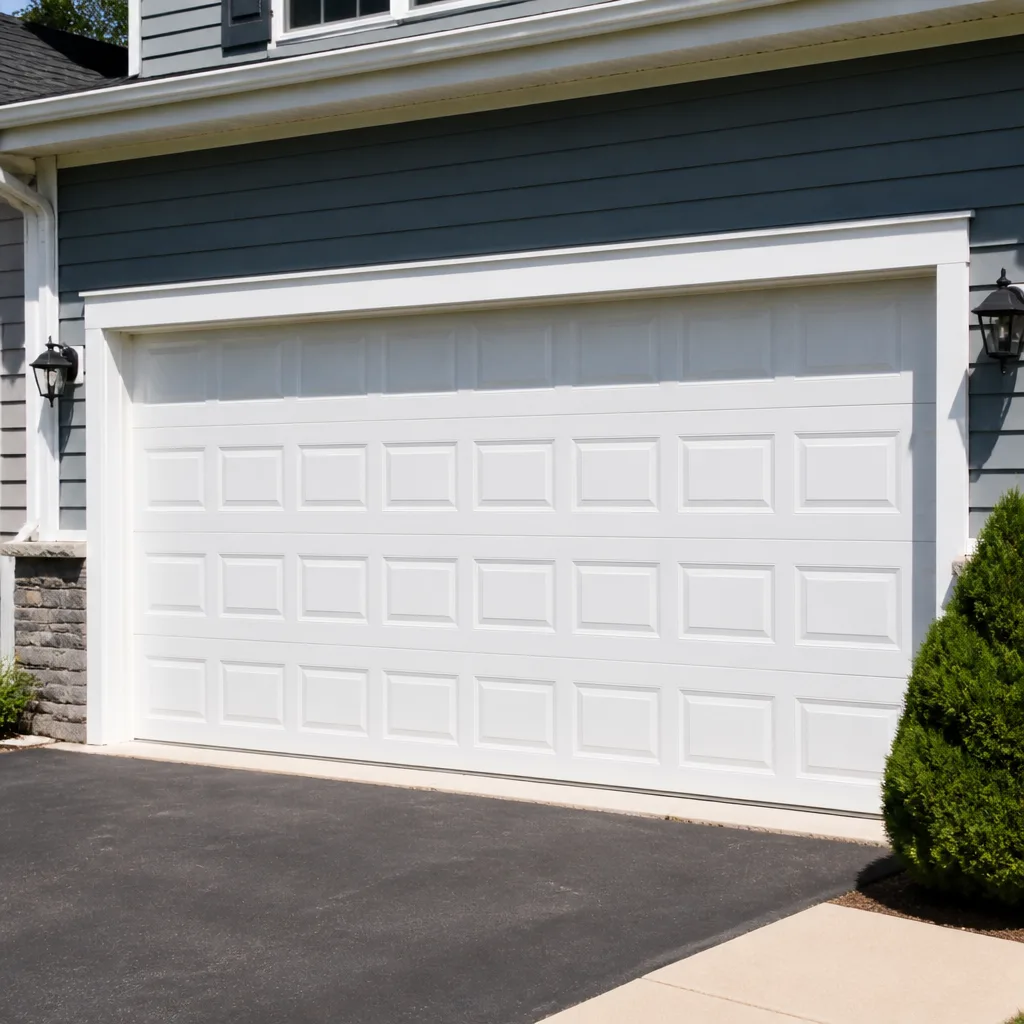 Raised-panel steel
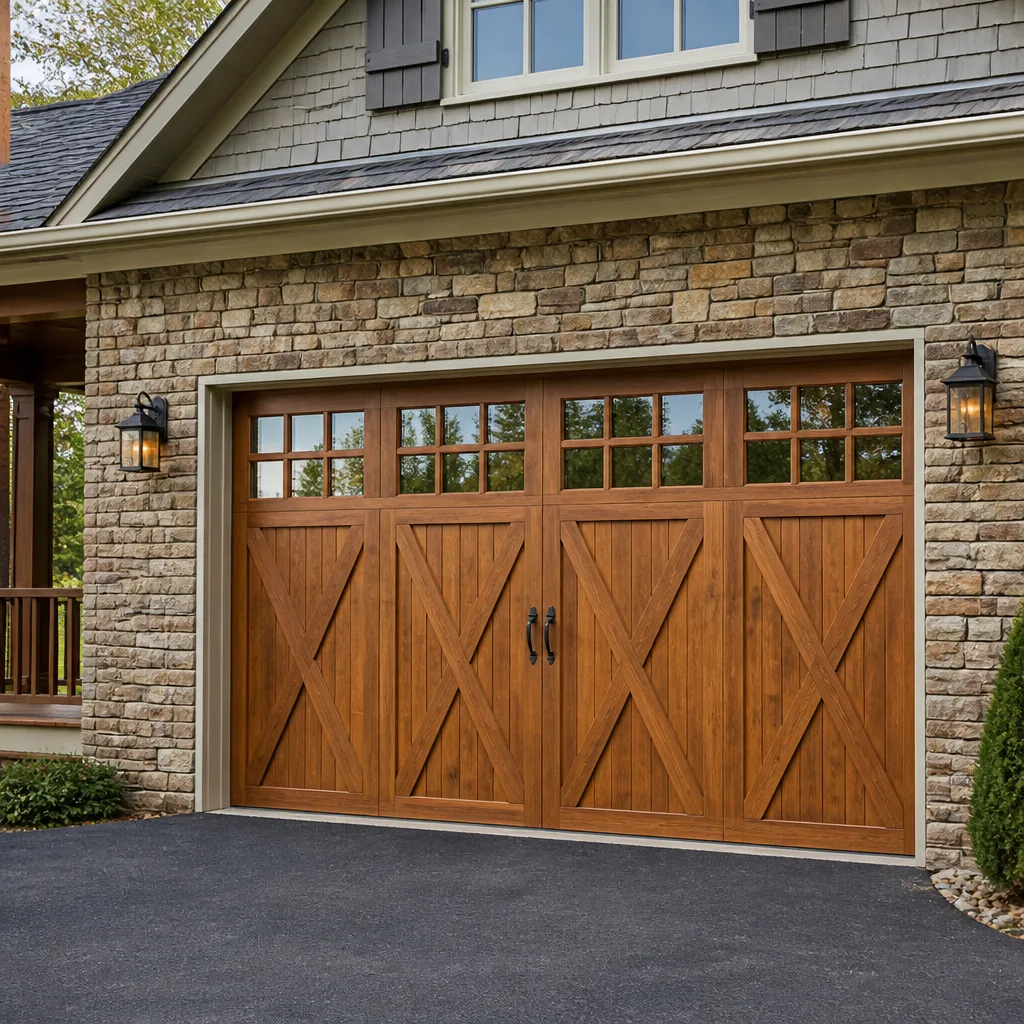 Carriage house
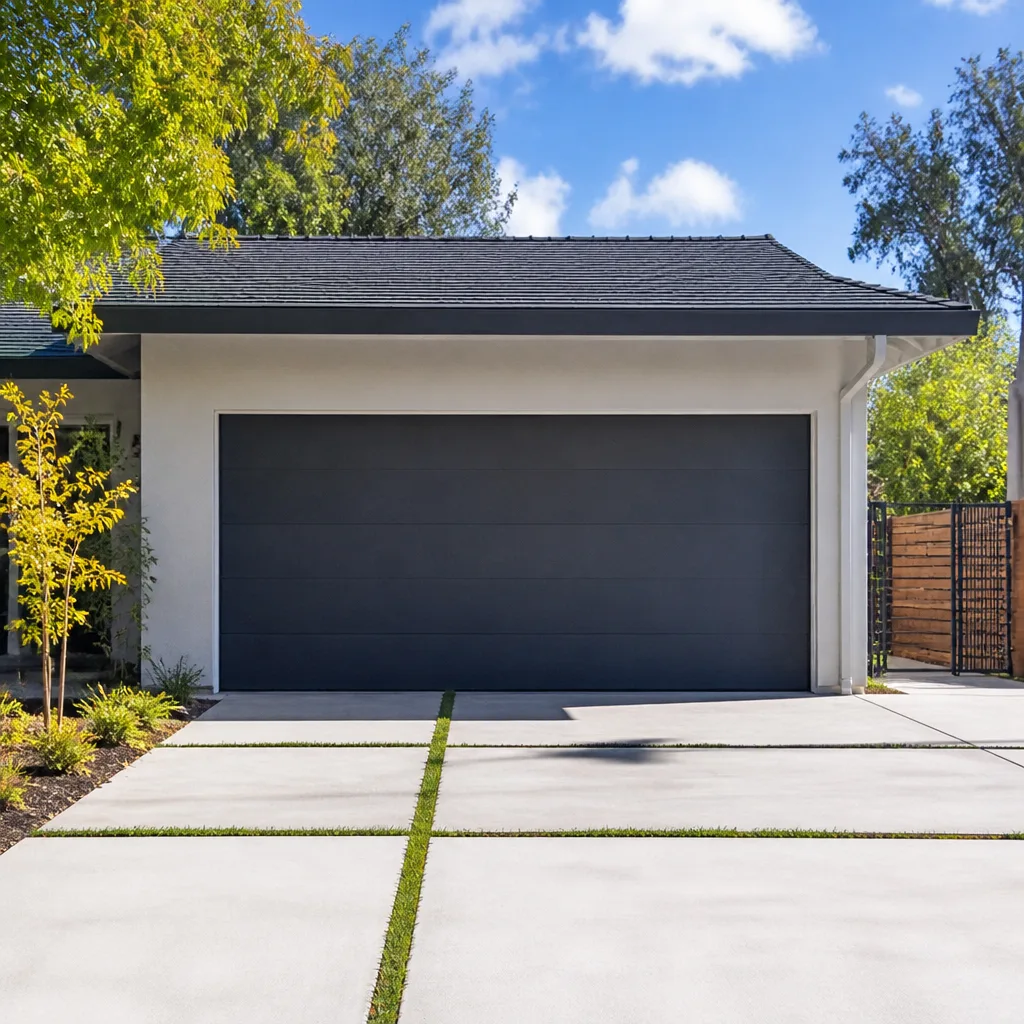 Modern flush
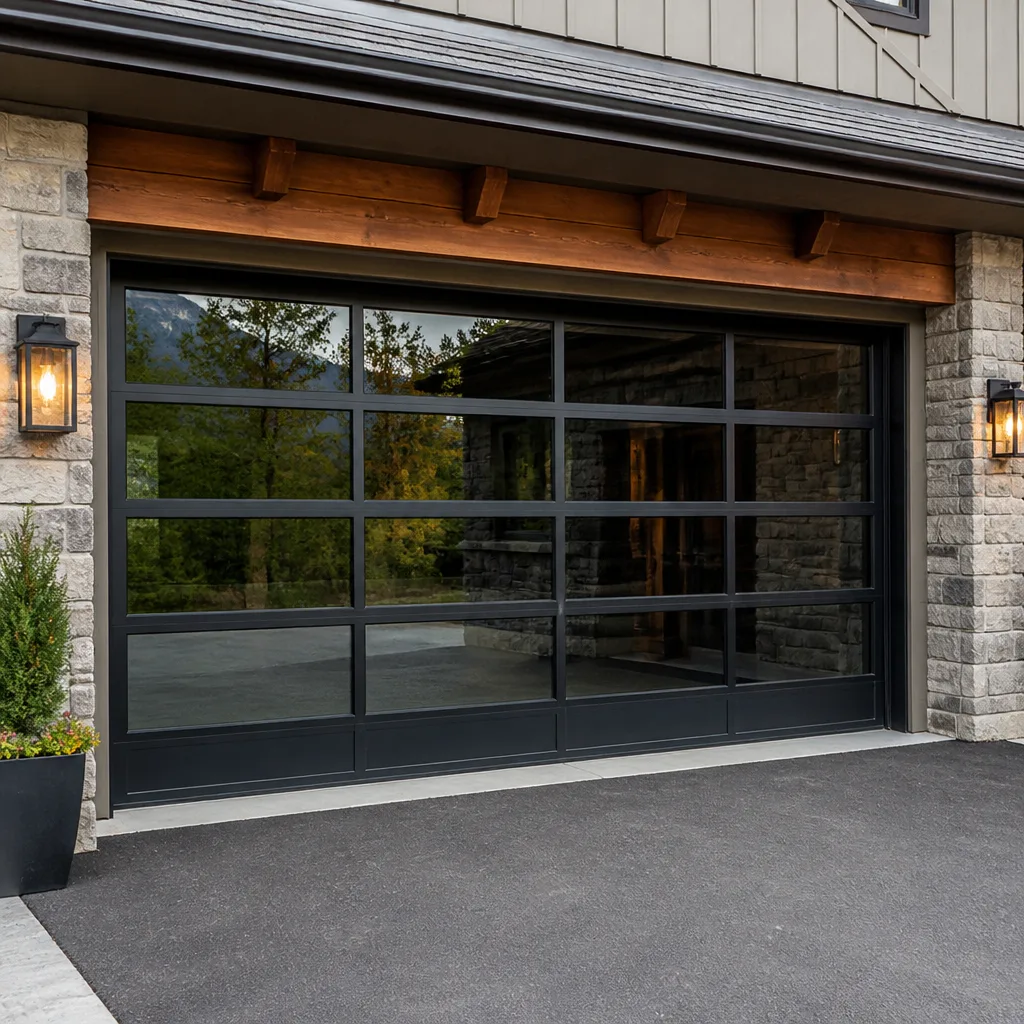 Full-view glass
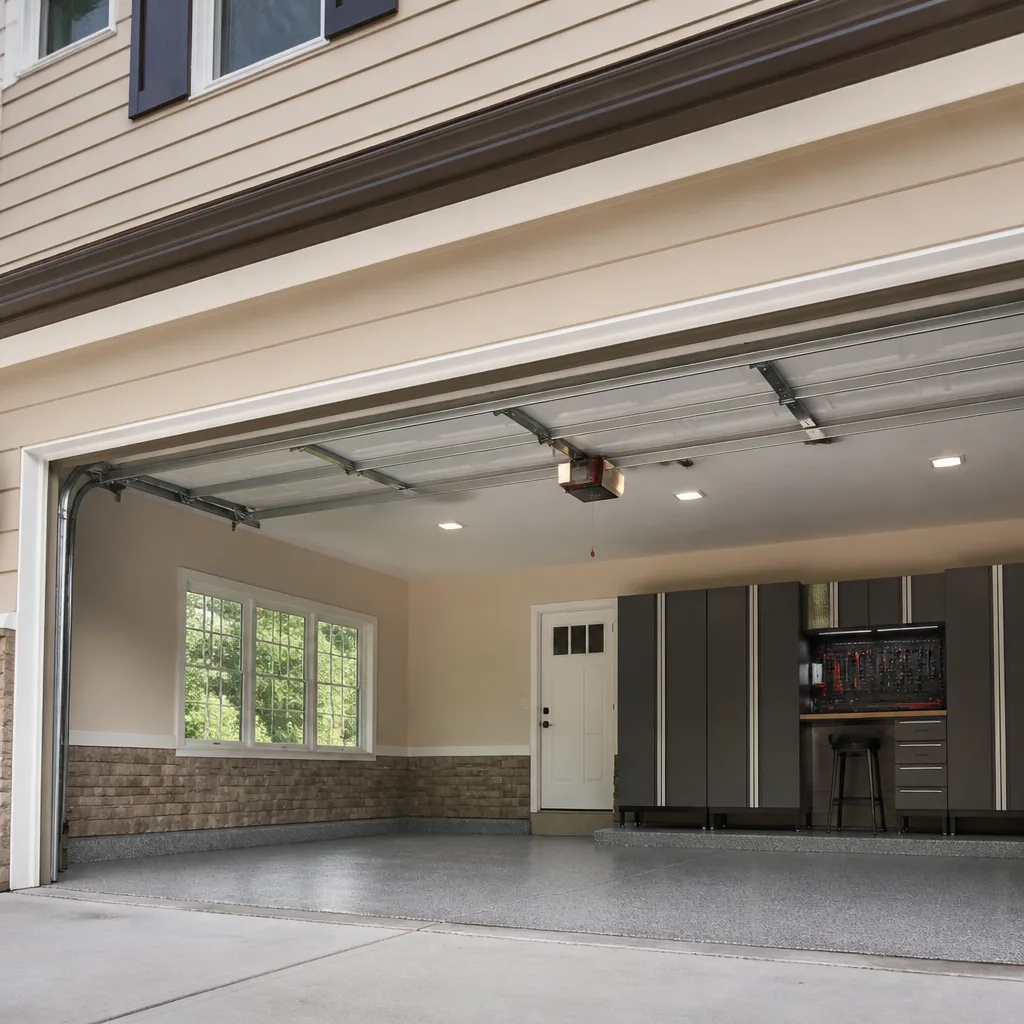 LiftMaster openers
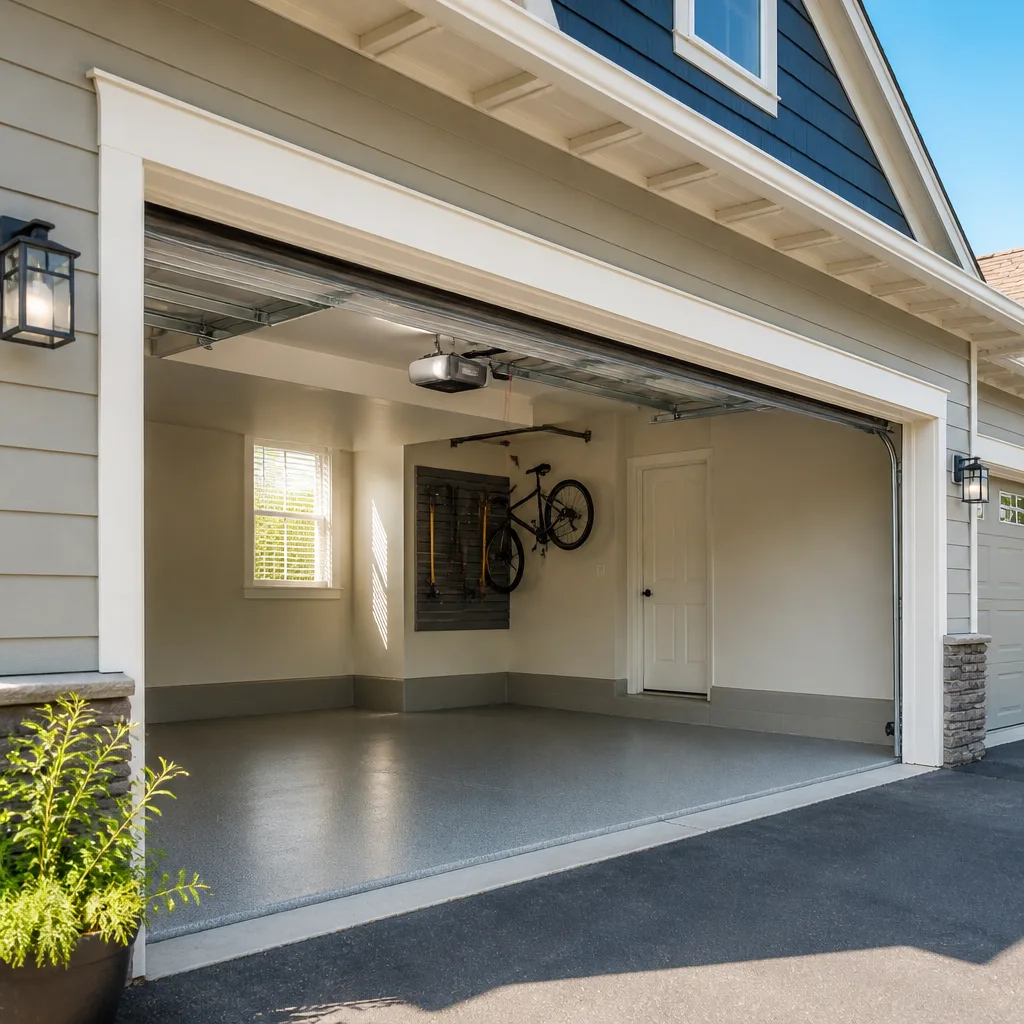 Chamberlain openers
Full 25-point door and opener safety check with every visit - springs, cables, rollers, tracks, and your LiftMaster or Chamberlain opener included
You get a price before we start. It does not change when the pro arrives.
Get your free estimateGarage Door Emergency Preparedness Guide for Federal Way Homes
Most homeowners treat their garage door as a machine that either works or needs a repair call, and that’s the misconception this guide is built to correct. The door is a system you can operate by hand, lock by hand, and secure by hand when the power or a component fails, and knowing how changes everything about a bad night. During the wind storms that roll through Federal Way every few winters, power outages leave some homeowners trapped inside with a car they can’t get out, and leave others outside with a garage they can’t close. Both outcomes are preventable if you’ve practiced the manual release before it’s dark and raining. You’ll learn the manual release procedure, how to lock a door the opener has failed, how to secure a door stuck open, and when a problem is a true emergency.
Quick Answer
Garage door emergency readiness in Federal Way comes down to three skills: pulling the manual release correctly so the door disengages and lifts by hand, locking and securing the door when the opener dies with the door down, and knowing which failures are genuine emergencies (door off its tracks, a spring that has snapped, a security breach) versus ones that can safely wait for a scheduled visit. Practice the release once in daylight on a calm day, keep the door balanced and lubricated, and save our number, (866) 937-7597, for the failures you shouldn’t handle alone.
Styles & brands we work with
- Raised-panel steel
- Carriage house
- Modern flush
- Full-view glass
- LiftMaster openers
- Chamberlain openers
Table of Contents
- How do you open a garage door by hand during a power outage?
- Why does the red cord confuse people under stress?
- How do you lock and secure a garage door when the opener fails?
- What do you do when the door is stuck open?
- Power outage protocol for Federal Way storm season
- Emergency service or wait until business hours?
- What to do in the 30 minutes before a technician arrives
- Low-effort steps that prevent most emergencies
How do you open a garage door by hand during a power outage?
You open a garage door by hand by disengaging the opener with the manual release cord, then lifting the door along its tracks with a steady pull from the bottom center. The catch is that the door must be balanced enough to lift safely, and most springs that fail will make a door too heavy for one person. If the door feels extremely heavy or won’t move at all, stop and call a professional rather than forcing it.
The reason this matters in Federal Way is the wind. Outages here tend to arrive with a storm and last a few hours to a day, long enough that a car is stuck inside and the household is re-planning its morning. The manual release exists exactly for this. The procedure is the same on nearly every residential opener, whether you’re running a LiftMaster or a Chamberlain, because the release mechanism works off the same principle: a cord or handle connected to a trolley that separates the door from the opener’s rail.
Here’s the sequence, and it’s worth rehearsing once when nothing is wrong:
- Confirm the door is fully closed before you pull anything. Pulling the release with the door partway up can let it drop suddenly.
- Locate the manual release cord, usually hanging from the opener rail near the door. It may have a red handle or a red tip.
- Pull the cord straight down and toward the door in a firm motion. You’ll hear or feel the trolley release. The door is now disconnected from the opener.
- Lift the door slowly from the bottom center panel with both hands. A balanced door lifts with modest effort. If it doesn’t, lower it and stop.
- Lift the door fully open and prop or hold it. Don’t walk away from a door that wants to fall.
- To reconnect later, close the door fully, then re-engage the trolley by pulling the release cord toward the opener or following the reconnect step for your model.
Read more in our guide to garage door opener repair if your opener is the thing that failed.
Why does the red cord confuse people under stress?
The red cord confuses people under stress because the instructions on most openers are printed in small type on the back of the unit, and the release behaves differently depending on how far the door has traveled. The most common mistake we hear about is pulling the cord while the door is partway up, which can let the door slam down hard. In our experience, the confusion isn’t about the mechanic itself, it’s about the timing and the darkness.
Here’s what homeowners get wrong most often with the manual release:
- Pulling before the door is fully closed. The trolley can release with the door mid-travel, and a door with tension on its springs will drop fast.
- Yanking rather than pulling. A sharp yank can damage the release mechanism or snap the cord, and then you’re stuck with a door you can’t disengage at all.
- Not knowing which cord is which. On some models the emergency release hangs alongside a separate cord for the safety reverse, and pulling the wrong one does nothing useful.
- Lifting from one side. Lifting from a corner binds the door in the tracks. Center-bottom is the only safe lift point.
- Forgetting to reconnect. After the power comes back, the door won’t run until the trolley is re-engaged, and people assume the opener has failed.
Older Craftsman and Wayne Dalton openers often have a slightly different trolley release from newer models, and the reconnect step can differ. If the release won’t re-engage after an outage, that’s a job for a technician, not something to force. Our teams work with the common major brands, so diagnosing the specific behavior of your unit is straightforward.
How do you lock and secure a garage door when the opener fails?
You lock a garage door with the opener dead by engaging the manual lock bar or slide bolt on the inside of the door, or by installing a locking bar if your door has none. Most residential garage doors sold in the last thirty years have a manual lock that most homeowners have never touched, and it’s exactly what you want when the opener is out and you’re going to bed.
On a standard sectional door, look along the inside of the bottom or second panel for a sliding bolt or a lock handle. On some doors it’s a spring-loaded latch mounted at the center of the bottom section that engages a track or a receiver on the floor and header. On others it’s a pair of slide bolts that go into the vertical tracks on either side. The idea is the same: you physically block the door from lifting.
Here’s how to secure it:
- Close the door fully by hand after releasing the trolley.
- Find the manual lock bar or slide bolts on the inside face of the door.
- Slide the bolts outward until they seat into the track, or rotate the lock handle to engage the latch.
- Test by lifting gently from outside. If the door doesn’t budge, it’s locked.
- If your door has no manual lock at all, a heavy-duty locking bar or a pair of slide bolts installed by a technician gives you the option for next time.
If your door has no lock and your opener has failed, a temporary wedge or brace under the bottom edge from the inside adds resistance, but it isn’t a substitute for a real lock. This is one of the reasons we treat garage door repair as a same-day priority for homes where the garage is the main entry: an unlocked door is an open door.
What do you do when the door is stuck open?
When a garage door is stuck open, you secure it temporarily by disconnecting the opener, lowering the door by hand if it will come down, and if it won’t, using a physical barrier or brace to block the opening until a technician arrives. A door stuck open is a security issue first and a mechanical problem second, so secure the house before you worry about the fix.
The reasons a door gets stuck open split into three groups: a broken spring leaving the door too heavy to close, a bind in the track stopping travel, or an opener that died with the door at the top of its cycle. Each has a different temporary answer.
- Spring failure. If you can see a gap in a torsion spring above the door, the spring has snapped. Don’t try to close the door by force. Lowering it against a broken spring can twist the panels or, worse, let the door drop. Call for service and secure the opening with another barrier in the meantime.
- Track bind. If the door is off the track on one side, forcing it will bend the track and the door. Secure it where it is and schedule a repair.
- Opener died at the top. Pull the release cord, and if the door is balanced it will usually lower by hand. If it won’t, the springs or the door itself are the problem, not the opener.
For a door you can’t close tonight, a temporary barrier across the opening from the inside, a car parked in front of it, or a brace against the bottom section will keep the house secure until morning. Then call us for garage door spring repair if the spring is the culprit, and we’ll schedule a visit.
Power outage protocol for Federal Way storm season
Power outages in Federal Way tend to come in clusters during wind storms, and the right protocol is knowing your manual release, keeping a flashlight where you can find it in the dark, and planning your car’s parking so the outage doesn’t strand it. Because outages here often last hours rather than minutes, a little preparation goes further than most homeowners expect.
The wind events that hit Federal Way every few winters routinely take down tree limbs onto power lines, and a half-day outage is not unusual during a storm. If your garage is the only way in and out of the house, or your car is the only vehicle and it’s inside, an outage turns into a logistics problem fast.
Our recommendations for Federal Way homeowners, in priority order:
- Practice the manual release once, in daylight, so you know exactly which cord to pull and how the door feels when lifted by hand.
- Keep a small flashlight or headlamp near the garage door, and a spare set of batteries.
- During a storm warning, park at least one car outside or in the driveway, so a power failure doesn’t lock your transportation inside.
- Test your manual lock so it actually engages, rather than assuming it will.
- Consider a battery backup opener, which runs the door from a built-in battery during a power outage and eliminates the scramble entirely. They’re worth considering in a region that loses power this often, and they’re a straightforward upgrade if you’re already replacing an opener.
If your opener is failing intermittently, don’t wait for the storm to finish it. We offer opener repair for the drive, the sensors, and the logic board, and we can let you know whether a battery backup upgrade makes sense for your unit.
Emergency service or wait until business hours?
Call for emergency garage door service when the door is off its tracks, a spring has snapped, or the door won’t close and the house is exposed. Those three are genuine security or safety events. Nearly everything else, including a noisy opener, a slow door, a dead remote, or a sensor that needs adjusting, can safely wait for a scheduled visit.
A garage door is a heavy machine under significant spring tension, and the failures that hurt people are the ones where tension gets released unpredictably. That’s why we treat certain conditions as true emergencies and others as routine.
Here’s the line we draw:
- Emergency, call now. A door off its track, a door that won’t close and leaves the house exposed, a broken spring (particularly if the door is stuck partway up), a door that has come down unevenly or is hanging from one side, or any sign of an attempted break-in at the door.
- Same-day priority, but not urgent. A door that won’t open but is fully closed and locked, an opener that died with the door down, or a remote that stopped working.
- Can wait. A noisy door, slow travel, a sensor that occasionally stops the door, a light that stopped working, or a remote that needs a new battery.
If you’re not sure which category you’re in, call and describe what you see. Our team can usually tell from a short description whether the door needs an emergency visit or whether it can wait. When you do need a repair, understand that the written estimate comes first and the price is agreed before any work starts. We recommend our Federal Way Garage Door Repair Pros team as your first call for anything on the emergency list.
What to do in the 30 minutes before a technician arrives
In the 30 minutes before a technician arrives, make sure the door area is clear, get pets and children away from the door, and take a photo of what you saw when it failed so you can describe it accurately. Getting these three things done speeds up the diagnosis and keeps everyone safe.
Here’s the short list most homeowners forget:
- Clear the area around the door. Move cars, bikes, and anything else blocking access from both sides.
- Keep children and pets indoors, away from the door, until the tech has finished.
- Don’t try to move the door again, especially if a spring has snapped or the door is off the track. Leave it where it is.
- Note what you saw and heard: a bang, a snap, a grinding sound, a slow rise, a reverse mid-travel. Specific symptoms point directly to a specific failure.
- Have a note of the brand and model ready. LiftMaster and Chamberlain models are common in Federal Way, and knowing the model lets us prep the right tools before we start.
- Turn off the opener’s breaker if you suspect an electrical fault at the unit.
If your door has failed and it’s the opener, we can tell you from a short description whether it’s a sensor, a logic board, or a drive problem. Our teams work with common major brands across residential homes, so we diagnose by behavior rather than by guesswork.
Low-effort steps that prevent most emergencies
Most garage door emergencies start as small problems that went unaddressed, so a small routine of checking, lubricating, and listening prevents most of them. The steps involved are quick and don’t require a technician for the safe parts.
The physical reality of a garage door is that the spring does almost all the work, and the opener really just guides it. When the spring is tired, the opener overworks, the door gets heavy, and the number of things that can fail multiplies. Federal Way’s wind storms and temperature swings add stress to seals and hinges, and a door that was fine in July can be noticeably stiffer by January.
What to do, and what to leave alone:
- Lubricate the moving parts. Rollers, hinges, and the tracks benefit from a garage-door-specific lubricant a couple of times a year. Avoid using heavy grease on the tracks themselves.
- Watch for a slow door. A door that takes longer to open than it used to is often a sign the spring is weakening. That’s a diagnostic signal, not a characteristic.
- Listen for the difference. A door that used to be quiet and now thumps or grinds is telling you what’s about to fail.
- Test the safety reverse. Place a small object in the door’s path and confirm the door reverses. If it doesn’t, the sensor or limits need adjusting.
- Don’t touch the springs. Springs, cables, and the torsion bar carry stored energy and are the single most dangerous component in the system. Adjustment and replacement is a specialist job.
- Check the weather seal. A worn bottom seal lets water and wind into the garage and stresses the door panels, so replace it when it goes brittle.
- Book a tune-up before storm season. A short adjustment visit in the fall catches the small problems before the winds do.
When a spring does go, our dedicated spring repair service handles it as the specialized job it is. A technician with the right experience and the right tools is the only safe way to deal with a spring under tension.
Common Mistakes to Avoid
- Pulling the manual release before the door is fully closed. A partway release lets a heavy door drop hard. Close it first, then pull.
- Forcing a door that’s off the track. A bent track and a twisted door cost far more than the original repair. Leave it and call.
- Assuming the opener is dead when it’s just disconnected. After an outage, the trolley often needs re-engagement. Check that before you schedule service.
- Trying to fix a spring yourself. Springs carry significant stored tension, and a DIY attempt is the most common way a routine repair becomes an injury. Call a professional.
- Ignoring the manual lock. An unlocked garage door with a dead opener is an open house for anyone who tries it. Test the lock before you need it.
- Parking the only car inside during a storm warning. Federal Way’s outages can run for hours. Keep one vehicle outside when the forecast is bad.
- Letting a slow door stay slow. A weakening spring is a warning, not a personality trait. Get it looked at before it snaps.
See the difference
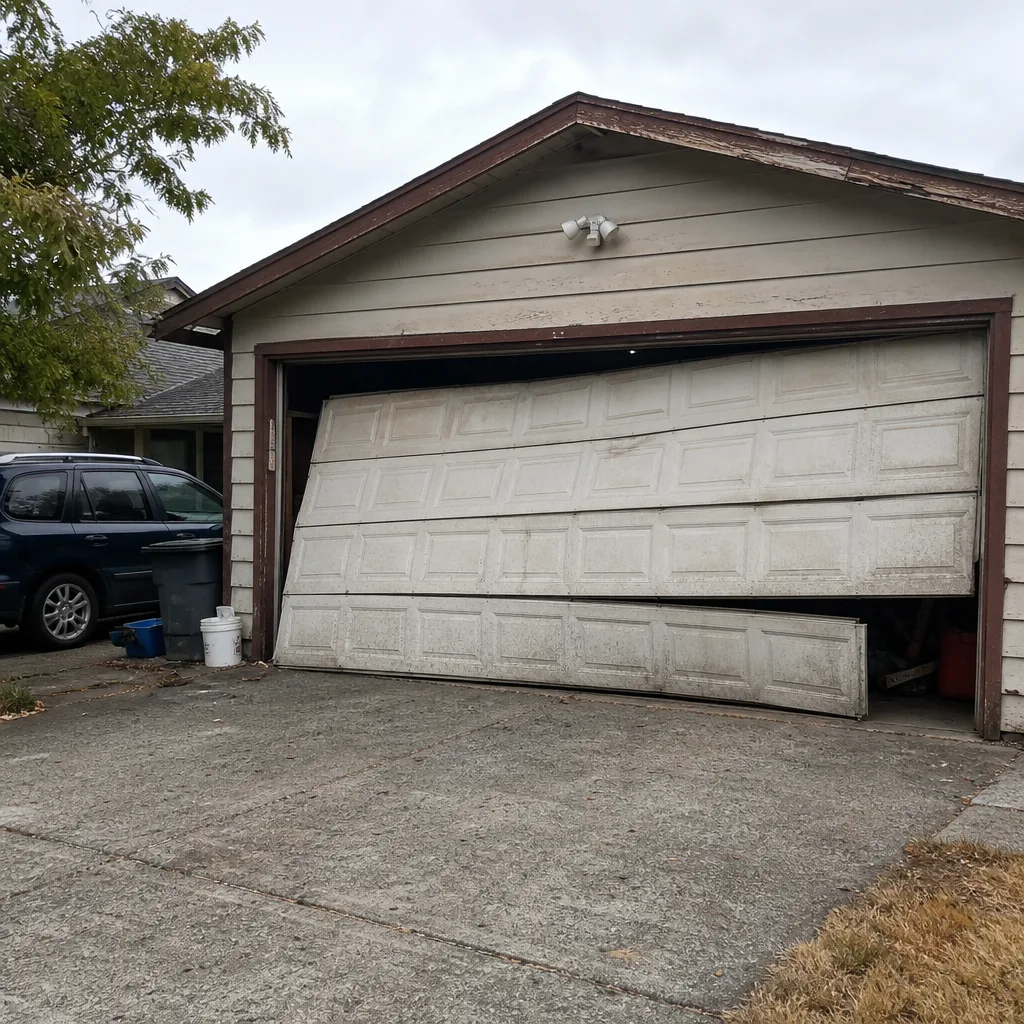 Before
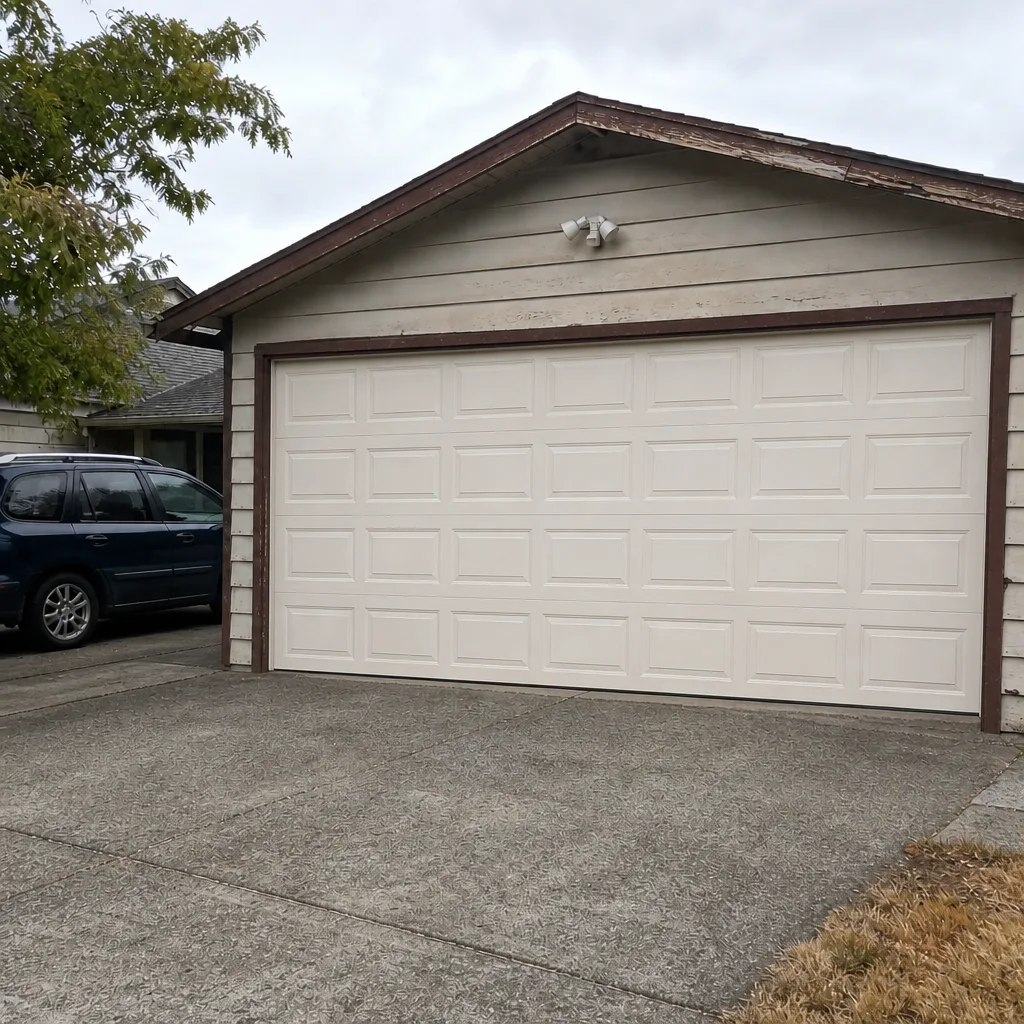 After
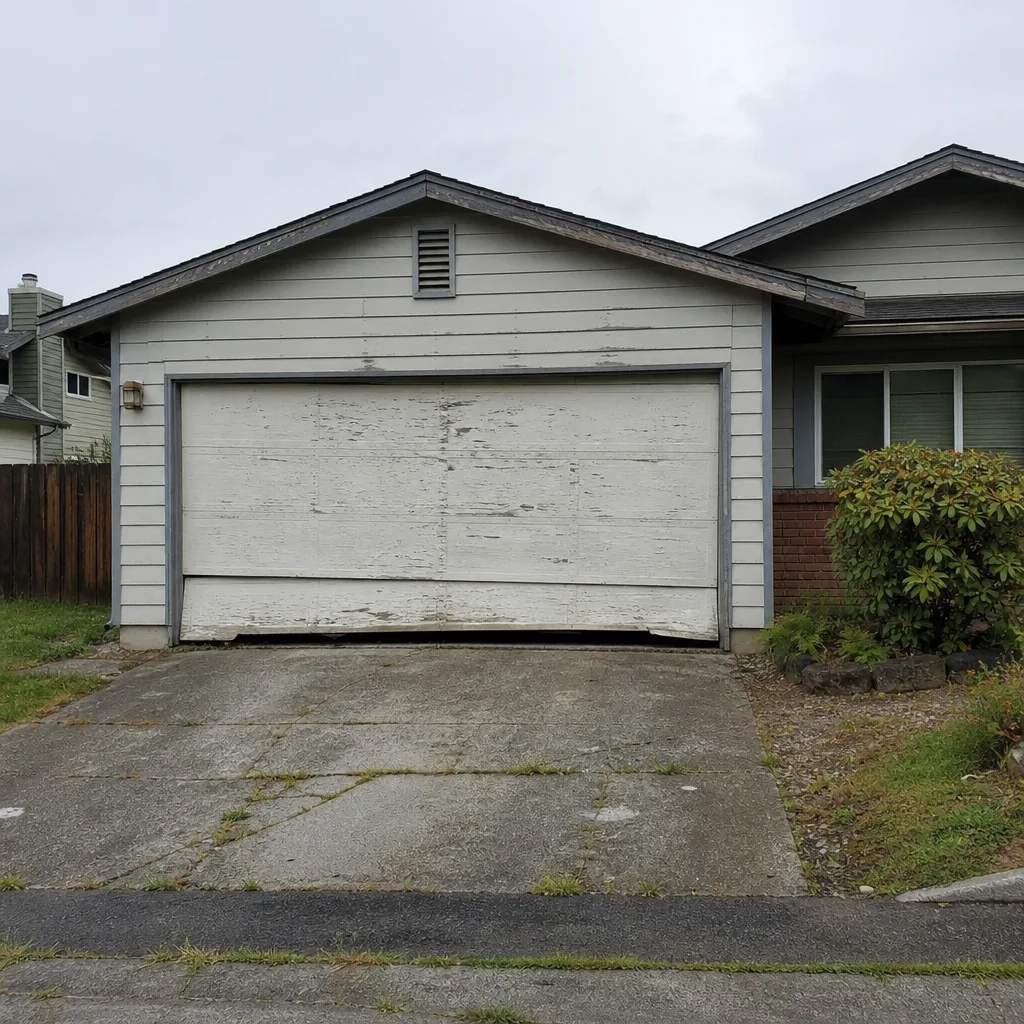 Before
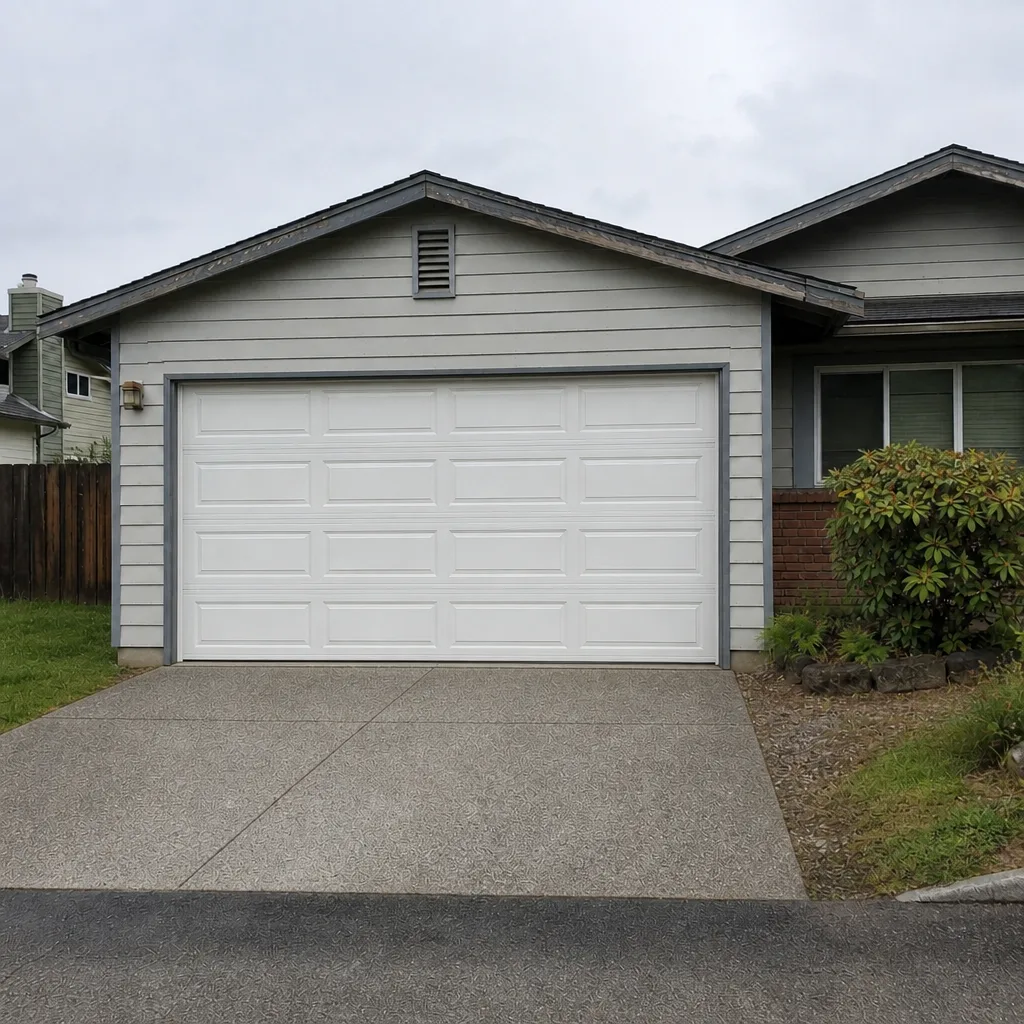 After
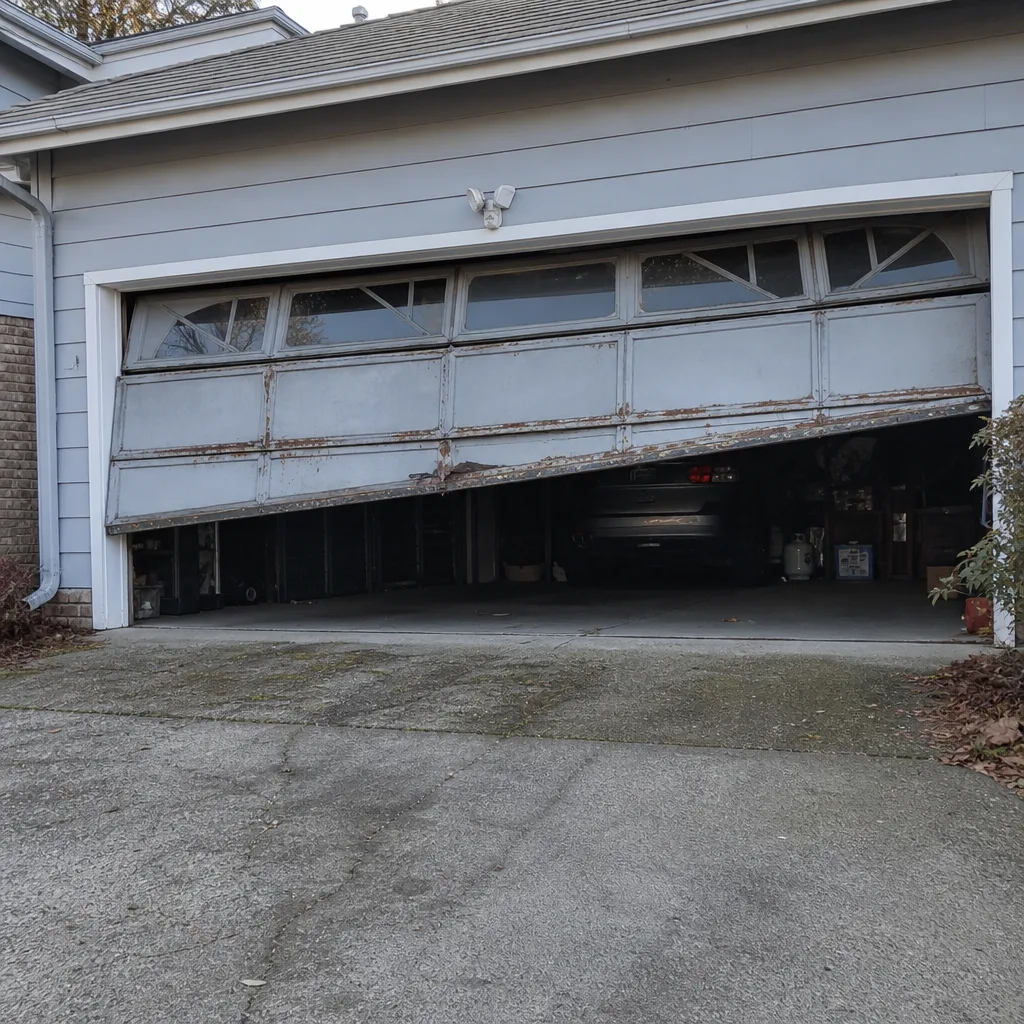 Before
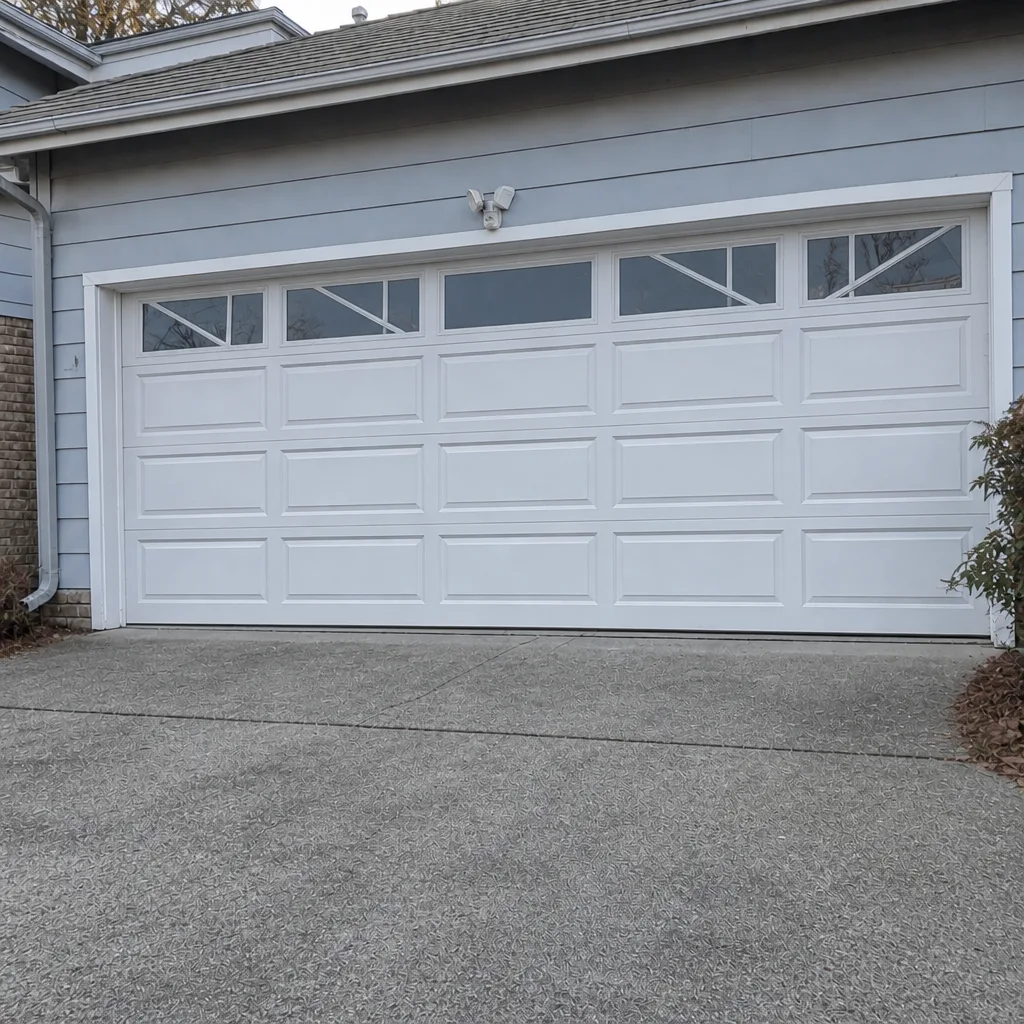 After
When to Call a Professional
Call a professional when the door is off its tracks, a spring has snapped, the door won’t close and the house is exposed, or a repair involves anything under tension. Those are the conditions that reward a trained technician and punish a DIY attempt. For a door that’s noisy, slow, or has an intermittent remote, a scheduled visit works fine. For a door that failed at night and can’t be secured, emergency service is the right call. Federal Way Garage Door Repair Pros offers free estimates in Federal Way. Call (866) 937-7597. Our technicians have up to 14 years of experience, and they work with the common major brands you’ll find in Federal Way homes. The written estimate is the price, and it comes before any work starts.
Frequently Asked Questions
Emergency garage door repair in Federal Way typically runs from around $150 for a straightforward sensor or track adjustment to around $450 or more for a spring replacement, depending on the failure and the parts involved. Spring replacement is quoted per spring, and a matched pair usually costs about twice a single spring because they’re replaced together. The written estimate sets the final price, and it’s given before any work starts. Call (866) 937-7597 for an exact quote. Estimates are free.
Yes, a door that won’t close and leaves the house exposed is a same-day emergency for us, and we prioritize those calls. Call (866) 937-7597 and describe what’s happening. For a door that’s closed and locked, we can usually schedule the next available visit rather than an emergency call.
No, the written estimate is the price. We inspect the door, quote the repair, and only start work once you’ve agreed to the number. If we find something additional during the work, we come back to you before we touch it.
Pull the manual release cord hanging from the opener rail down and toward the door to disconnect the trolley, then lift the door from the bottom center with both hands. Close the door fully before you pull the cord. If the door feels extremely heavy, stop and call a professional, because a broken spring is likely the cause.
The local professionals we connect you with are licensed and insured as their state requires. Technicians we work with handle spring work, opener repair, and full door installation as specialists, not generalists.
Yes. A door off its tracks is unstable and can fall or twist further, and forcing it back into the track damages the panels and the track. Leave it where it is, secure the opening if you can, and call for service. Call (866) 937-7597 and we’ll prioritize it.
The Bottom Line
Emergency garage door preparedness for a Federal Way home comes down to three practiced skills: releasing the door manually, locking it with the opener dead, and knowing which failures are true emergencies. Practice the release in daylight, test your manual lock, keep a flashlight near the door, and park one car outside when a storm warning hits. If a spring snaps, the door goes off its tracks, or the house is exposed, call us; if the door is noisy or slow, schedule a visit. For repair, opener service, spring work, or a new door, call Federal Way Garage Door Repair Pros at (866) 937-7597 for a free estimate. Our team works on the brands you already own, and we tell you the estimate before we start.
Written by the team at Federal Way Garage Door Repair Pros.