Last updated November 21, 2026
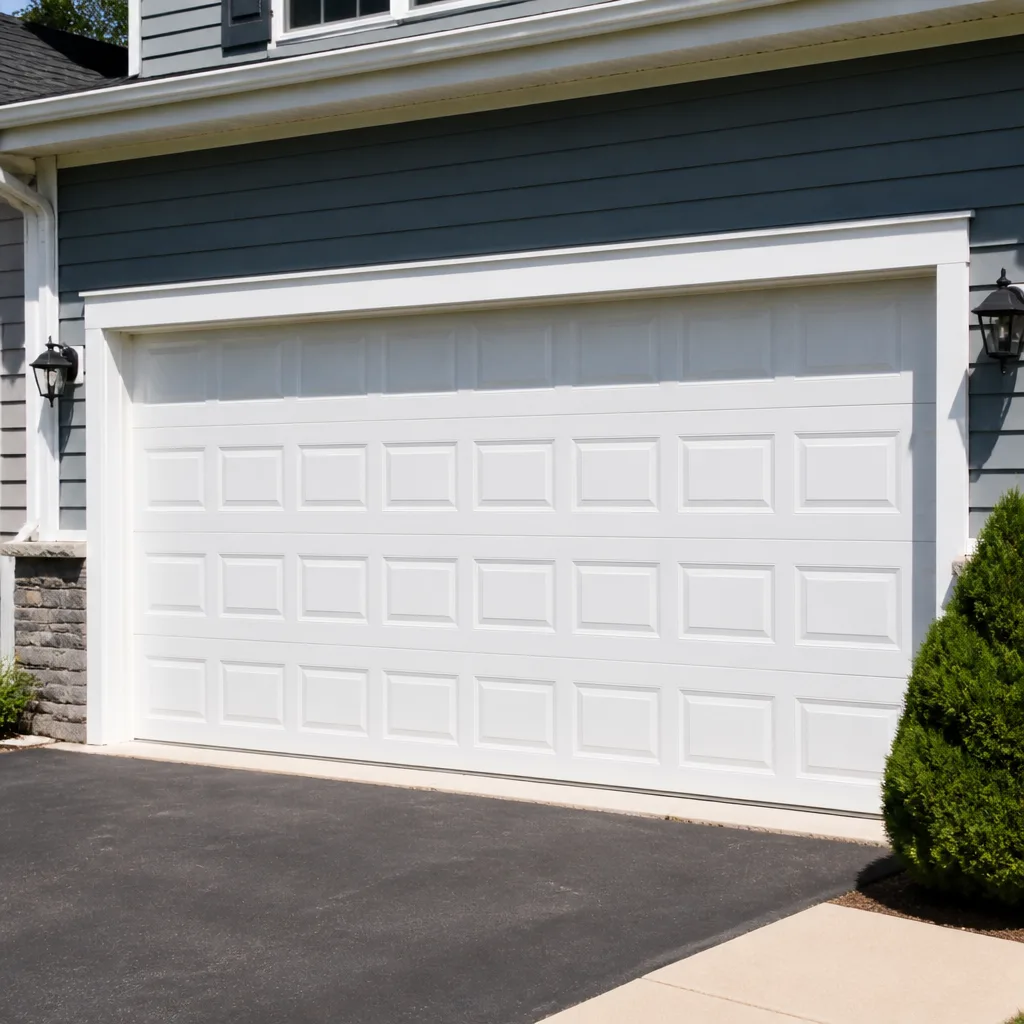 Raised-panel steel
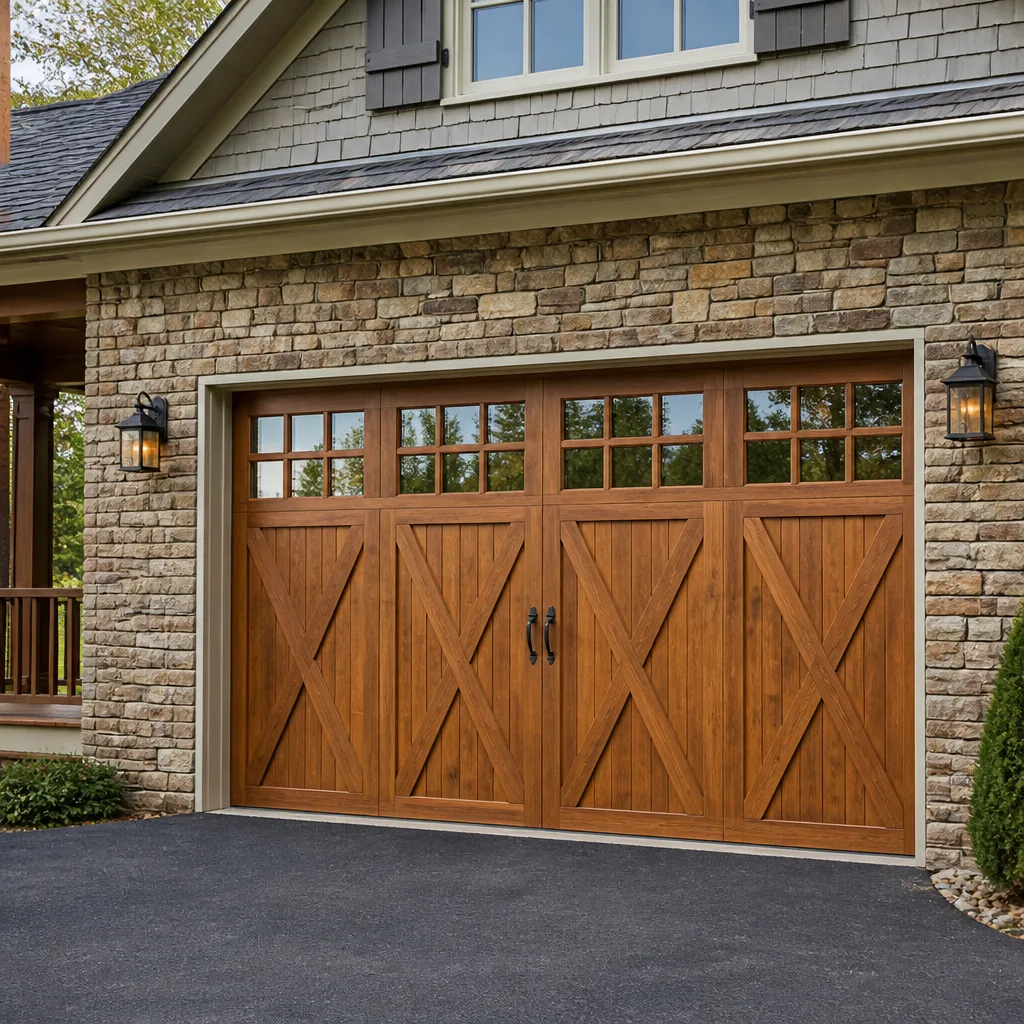 Carriage house
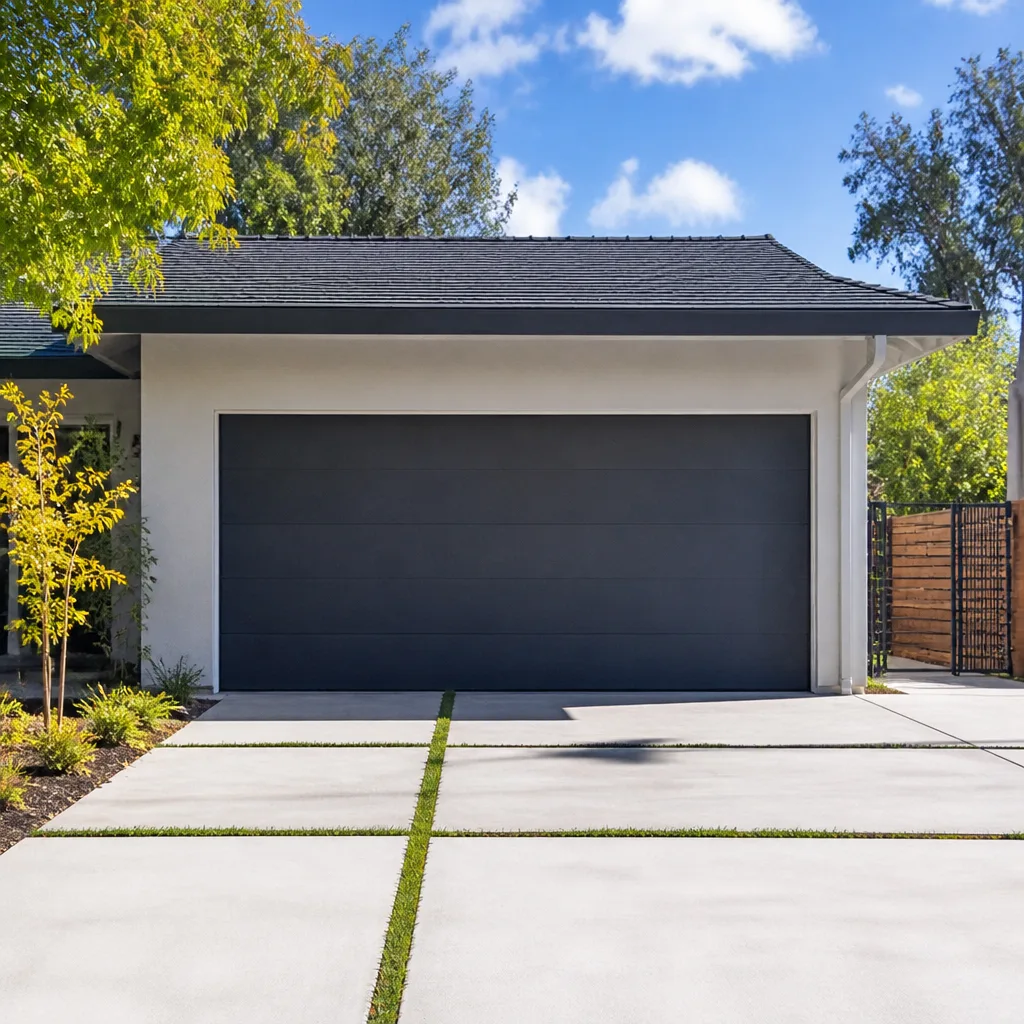 Modern flush
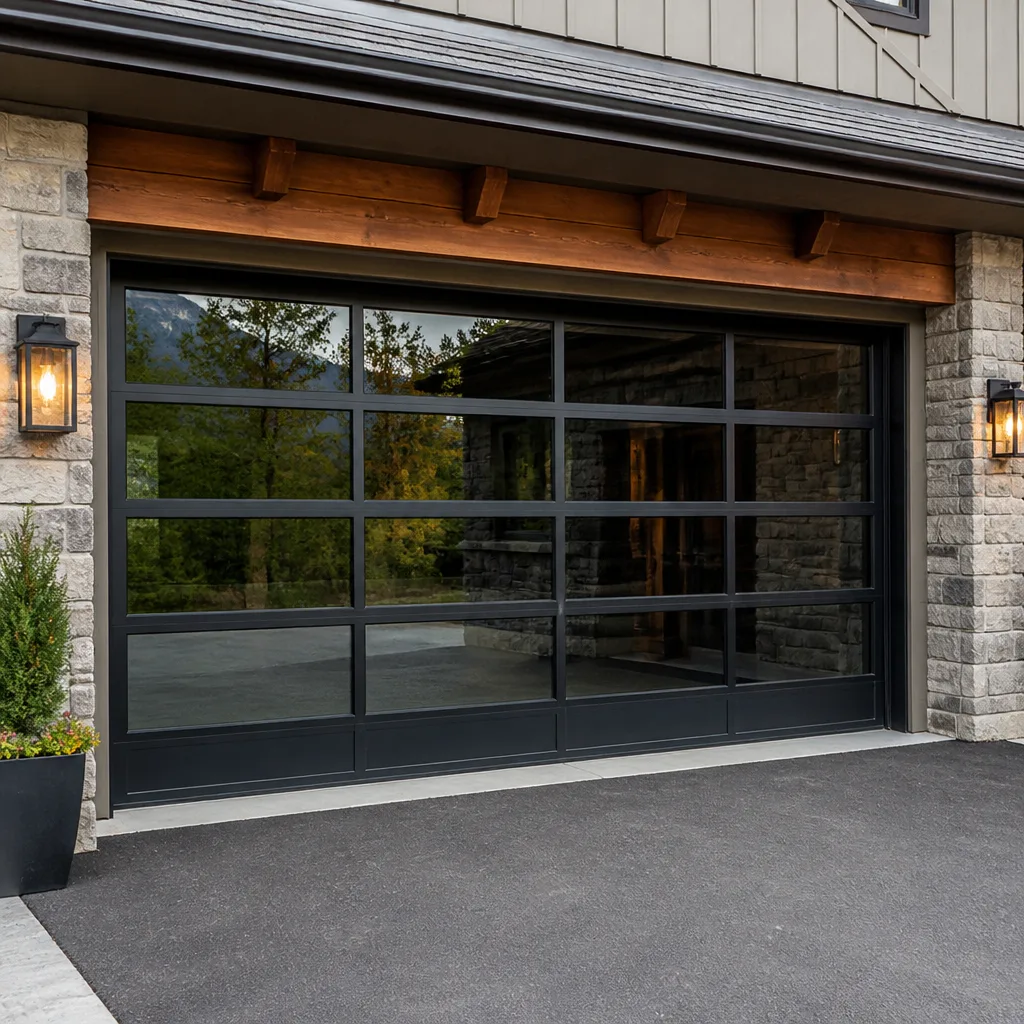 Full-view glass
 LiftMaster openers
 Chamberlain openers
Full 25-point door and opener safety check with every visit - springs, cables, rollers, tracks, and your LiftMaster or Chamberlain opener included
You get a price before we start. It does not change when the pro arrives.
Get your free estimateGarage Door Warning Signs: A Federal Way Homeowner’s Reference Guide
A torsion spring rarely breaks without announcing itself. The announcement usually shows up two or three months early as a hairline gap in the coil, a faint drag in the last foot of travel, or an opener that suddenly sounds like it’s working harder than it used to. Most homeowners walk past those signals every single morning without knowing what they mean, and then the door stops working on a Monday morning when everyone needs to leave. This guide is built around the signs that appear 60 to 90 days before a failure, not the loud obvious ones. You’ll learn to read spring, roller, track and opener behavior so nothing in your Federal Way garage takes you by surprise.
Quick Answer
The warning signs that actually predict a garage door failure in Federal Way are subtle ones: a visible gap in the torsion spring coil, a door that drags or slows in the final foot of travel, a jerky or uneven descent, grinding or popping that changes with door position, and opener error lights that flash before the unit stops responding. Recognizing these 60 to 90 days before the door quits lets you book a repair on your schedule instead of facing an emergency on a Monday morning.
Styles & brands we work with
- Raised-panel steel
- Carriage house
- Modern flush
- Full-view glass
- LiftMaster openers
- Chamberlain openers
Table of Contents
- Pre-Failure Spring Signals You Can See During Normal Operation
- How to Tell Where a Noise Is Coming From
- What “Slow Closing” and Jerky Movement Actually Signal
- Opener Warning Signs on LiftMaster and Chamberlain Units
- Bottom Seal and Weatherstripping Warning Signs
- How Federal Way Weather Accelerates Wear
- A Monthly Five-Minute Walkaround
- What Diagnosis and Repair Typically Cost
Pre-Failure Spring Signals You Can See During Normal Operation
A torsion spring is a coiled steel bar under tension, and it fails progressively rather than instantly. The failure happens when the metal finally gives out, but the wear that causes it has been visible for weeks. In our experience, the signs below are the ones that give you the most notice, and most of them show up during completely ordinary daily use.
Here’s what to look for on a standard torsion spring setup, the kind you’ll find above the door on most homes around Federal Way:
- A visible gap in the coil. Look at the spring that runs across the header above your door. The coils should be tight and even. A gap of a quarter inch or more, or a section where the coils have visibly separated, means the spring is losing tension and has weeks left, not months.
- A slight drag on the last foot of travel. Watch the door as it closes. If it moves smoothly until the final foot and then slows slightly or looks like it’s easing down, the spring is no longer lifting its share of the door’s weight.
- A door that feels heavy on the manual release. Pull the release cord once with the door about waist high and lift it by hand. A properly balanced door lifts with minimal effort. If it feels like dead weight, the spring has weakened.
- Opener running longer than usual. A spring on the way out makes the opener pull harder through every cycle. If the motor sounds like it’s straining or the light stays on longer than it used to, the spring is a prime suspect before the opener itself.
- A slight bow or bend at the spring’s anchor point. A bent center plate or anchor bracket, visible as a dip in the overhead assembly, means the spring has been working against a load it wasn’t designed for.
A spring that fails at full tension releases stored energy in an instant. That’s why we treat spring work as a dedicated service rather than a general repair, and it’s why we don’t recommend homeowners attempt to adjust or replace one. Our garage door spring repair technicians handle the tension safely, and a broken spring caught in its pre-failure stage is a straightforward scheduled repair rather than an emergency call.
How to Tell Where a Noise Is Coming From
Grinding, popping and scraping all point to different components, and the difference matters more than the noise itself. A grinding sound is almost always roller or track related. A popping sound is usually a spring or a bent hinge. A scraping sound that gets louder as the door gets lower is nearly always a seal or a track issue. If you can place the noise, you can place the fault.
Use these clues to narrow it down before you call:
- Grinding that grows louder near the floor: roller bearings or a track that’s been bent inward. Look at the rollers themselves; if the wheels wobble or the metal looks dry and scored, that’s the culprit.
- A single loud pop when the door starts moving: a torsion spring that’s shifting on its shaft, or a hinge point that’s seized. If the pop repeats at the same point in travel every cycle, it’s a spring or hinge issue, not random.
- Scraping at the bottom of the descent: the bottom seal dragging on the opening, often because weatherstripping has hardened or a roller has slipped its track.
- A metallic rattle at the end of the cycle: loose bolts on the hinges or the track brackets. Tightening these is a routine maintenance item, not a component failure.
- Whining or humming from the ceiling unit: the opener motor or its drive gear, not the door itself. This is the sign that says to check the opener rather than the hardware.
A noise that changes with the door’s position is telling you which part of the system is working hardest at that moment. That mapping is exactly what our technicians do by ear before they put a hand on anything. In Federal Way, we often find the same noise pattern repeated across similar homes built around the same decade, because door hardware from the same era wears in similar ways. If you’re hearing a repeated sound and want to know which service it falls under, our garage door repair team can diagnose it by brand and hardware type.
What “Slow Closing” and Jerky Movement Actually Signal
A door that still opens and closes but does so unevenly is not a door that’s working. Slow closing, jerky motion or a door that hesitates at the halfway point are early warning signs of a specific failure order: first the spring, then the opener, then the door. That order means catching the slow or jerky movement early saves you a much bigger repair.
Here’s what each pattern points to:
- Slow on the close, normal on the open. The torsion spring has weakened. The opener can lift the door because gravity helps on the way up, but it’s fighting the door on the way down. Spring weight loss is the common cause.
- Jerky on both directions, worse at the start. A roller or track misalignment. The door is binding against one side, and the opener is compensating by stuttering. Check whether the gap between the door and each track is even on both sides.
- Hesitation at the halfway point. Usually a worn hinge or a roller that’s sticking at a particular track joint. This one is mechanical and inexpensive to fix if you catch it early.
- A door that stops and reverses mid-travel. The safety sensors (the small lenses at the base of the tracks) are being tripped by something obstructing the beam, or the opener logic board is misreading the sensor signal. Check the sensors for cobwebs or an object in the path before assuming a serious fault.
- A door that shudders at the top of its travel. The opening limit has drifted, or the spring has lost enough tension that the door overruns its expected stop. This one is worth a same-day call because overrunning can damage the track brackets.
A jerky door is not always an opener problem, and misdiagnosing it leads to replacing an opener that was working fine. If the door moves by hand with effort, it’s hardware. If the door moves easily by hand but stutters under power, it’s usually the opener’s drive system. Our garage door opener repair service exists precisely for the electronics-and-drive side of that equation, because the two failure paths need different skills.
Opener Warning Signs on LiftMaster and Chamberlain Units
LiftMaster and Chamberlain openers are what we see most often in Federal Way homes, and both give clear electronic warning signs before they stop responding entirely. Those signs live on the unit itself: a flashing LED, a light that behaves differently, a remote that needs more than one press. Recognizing the pattern early lets you book a repair instead of replacing the whole unit.
The behaviors to watch for, in order of how often we see them:
- An error light that flashes in a repeating pattern. Both LiftMaster and Chamberlain flash their diagnostic LED in a specific sequence to indicate the fault. A repeated pattern rather than a steady light is the unit telling you the sensor or the logic board has a problem. Note how many flashes come before the pause, because that count is what a technician uses to identify the fault.
- A remote that works from close range only. The remote battery or the antenna wire is the most common culprit, but a worn drive gear inside the unit can also weaken the signal response over time.
- The opener light staying on after the door closes. The unit has lost its limit position and is resetting its travel each cycle. On LiftMaster units, this often shows up alongside a door that travels slightly past where it used to stop.
- A door that reverses for no visible reason. Sensor alignment or a logic board misread. Before assuming a board fault, wipe the sensor lenses and confirm both LEDs are solid.
- Grinding during travel that wasn’t there before. The opener’s drive gear or chain is wearing. Genie units occasionally show a similar symptom, but the fix is different, so knowing the brand matters.
We work on LiftMaster, Chamberlain, Genie, Clopay, Amarr, Wayne Dalton, Craftsman and Raynor equipment, which means we diagnose by brand-specific behavior rather than guessing at the fault. If your Federal Way opener is acting up, a brand-aware diagnosis usually takes one visit rather than two or three.
Bottom Seal and Weatherstripping Warning Signs
A worn bottom seal is not just a draft. It’s the first line of defense against water reaching your garage floor, and in Federal Way’s wet-season climate it’s a real predictor of interior moisture damage. The seal and the side weatherstripping are the two rubber components most homeowners ignore until water has already gotten in.
Look for these specific signs:
- A visible gap between the seal and the floor. Close the door and look along the bottom edge with a light behind you. Any light showing through is a place water will enter.
- A seal that’s flattened, cracked or brittle. Rubber hardens with age and loses its spring. A seal that no longer springs back when you press it has stopped doing its job.
- Hairline cracks along the bottom edge. These are the predecessors of full tears. Once a seal cracks, it lets water track underneath instead of shedding it.
- Staining or dampness on the garage floor just inside the door. This is the earliest interior sign of a failing seal.
- Loose side weatherstripping at the door jambs. A visible flap or a strip pulling away from the jamb allows water to run down and into the frame. In Federal Way this is a common late-fall and early-winter finding.
A seal replacement is inexpensive and should be treated as preventive maintenance rather than a repair. Catch the worn seal now and you avoid the interior moisture problems that follow.
How Federal Way Weather Accelerates Wear
Federal Way’s climate is wet and relatively cool for most of the year, with a dry stretch in summer. That pattern matters to a garage door because it produces the cycle that wears rubber and loosens hardware: constant dampness followed by dry heat, repeated every year. Metal expands with warmth and contracts when wet and cool. Fasteners that were snug in July can be loose by November, and rubber that was pliable in the rain goes brittle in a dry summer.
The practical effects for a Federal Way homeowner:
- Bottom seals and side weatherstripping fail faster. Repeated wet-and-dry cycling hardens the rubber, cracks it, and lets water through well before the seal looks obviously destroyed.
- Track brackets and hinge bolts loosen. Vibration combined with seasonal metal movement means the hardware needs a check at least twice a year, especially after a wet winter.
- Rollers dry out and score. Wet-season moisture can leave rollers running rough if they aren’t lubricated, which shows up as grinding near the floor.
- Springs work harder through the wet season. Wet, cold hardware adds drag, and a spring already near end of life fails faster under that load. If you’re close to the gap-in-the-coil warning, get the spring looked at before the wet months, not after.
This is the reasoning behind our monthly walkaround recommendation below. A five-minute check at the start of each season catches the wear that Federal Way weather creates before it becomes a failure.
A Monthly Five-Minute Walkaround
A short, consistent check beats an expensive emergency every time. Here’s the routine we recommend to Federal Way homeowners, done the same way each month so you notice changes rather than trying to remember what “normal” looked like. This is a visual and observational check, not a repair. Don’t attempt to adjust springs, cables or tracks on your own; those are the components that require a trained professional.
- Look up at the spring. Check the coil above the door for any visible gap, uneven coil spacing, or bent anchor plate. Note any change from last month.
- Watch a full open and close cycle. Note whether the door is smooth, slow at the final foot of travel, jerky, or hesitating. Compare to what you remember from last month.
- Listen to the noise. Stand still and see whether the noise is grinding, popping or scraping, and whether it changes with the door’s position.
- Check the bottom edge with a light. Close the door and look for light coming under the seal and along the side jambs.
- Push against the bottom corner of the closed door. It should give only slightly. If it flexes more than usual, the balance has shifted and the spring should be checked.
- Look at the opener light. Note whether it behaves normally, whether any error pattern appears, and whether the light stays on longer than usual after closing.
- Check the manual release. With the door closed, pull the release and lift the door by hand. If it feels heavier than a month ago, the spring is losing tension.
Keep a small note on your phone or on a sticky inside the garage door frame. Even a single line each month gives you a baseline that makes the warning obvious when it appears.
What Diagnosis and Repair Typically Cost
Garage door repair pricing in Federal Way depends on the component, the brand and whether the repair can be done in a single visit. The typical ranges below are for common repairs. A written estimate from the technician, agreed before any work starts, sets the final price.
| Repair type | Typical estimated range |
|---|---|
| Diagnostic visit and adjustment (track, rollers, hinges) | $95 – $175 |
| Single torsion spring replacement | $180 – $320 |
| Matched pair of torsion springs | $320 – $580 |
| Bottom seal replacement | $75 – $175 |
| Roller replacement (per door) | $80 – $180 |
| Opener error diagnostics and sensor or logic repair | $110 – $240 |
| Opener drive gear or motor replacement | $180 – $380 |
A spring range above is for a single spring. Most homes use a matched pair that’s replaced together, which is why the pair is listed separately; replacing one spring and leaving the other leaves you with a second failure coming in weeks.
Every price we give is quoted and agreed before any work begins. If the diagnosis turns up something different than expected, we tell you before proceeding, and the written estimate is what the final invoice reflects. That’s the answer to the question most homeowners ask right after they see the range: the number doesn’t change once the tech sees it, it’s confirmed with you first.
If you need to confirm pricing before booking, call (866) 937-7597. Estimates are free.
Common Mistakes to Avoid
- Replacing the opener when the spring is the problem. A door that struggles under power often has a weak spring, not a weak motor. Replacing the opener without checking the spring leaves the new unit working just as hard.
- Ignoring a gap in the spring coil because the door still works. A visible gap is one of the most reliable predictors of a failure in the next 30 to 90 days. Waiting costs you an emergency call on a day that’s inconvenient.
- Attempting a spring or cable adjustment by hand. The tension stored in a torsion spring is dangerous, and an interrupted adjustment can release that energy. This is the one job in the whole system that should always go to a trained technician.
- Letting water in before replacing a worn seal. In Federal Way’s wet season, a cracked bottom seal allows moisture into the garage interior well before the seal looks gone. Cost with the seal is low; cost of interior water damage is not.
- Treating a jerky door as an opener problem without checking the door. Pull the manual release first; if the door is hard to lift by hand, the fault is hardware, not electronics. Calling for the wrong repair costs time and money.
- Skipping the annual hardware check. Federal Way’s wet-and-dry cycle loosens brackets and hinge bolts every year. A quick check avoids the cracked bracket that follows a loose one.
- Ignoring an opener that flashes an error pattern. A repeating LED pattern is the unit telling you exactly what’s wrong. Covering it or cycling the power only postpones the repair.
See the difference
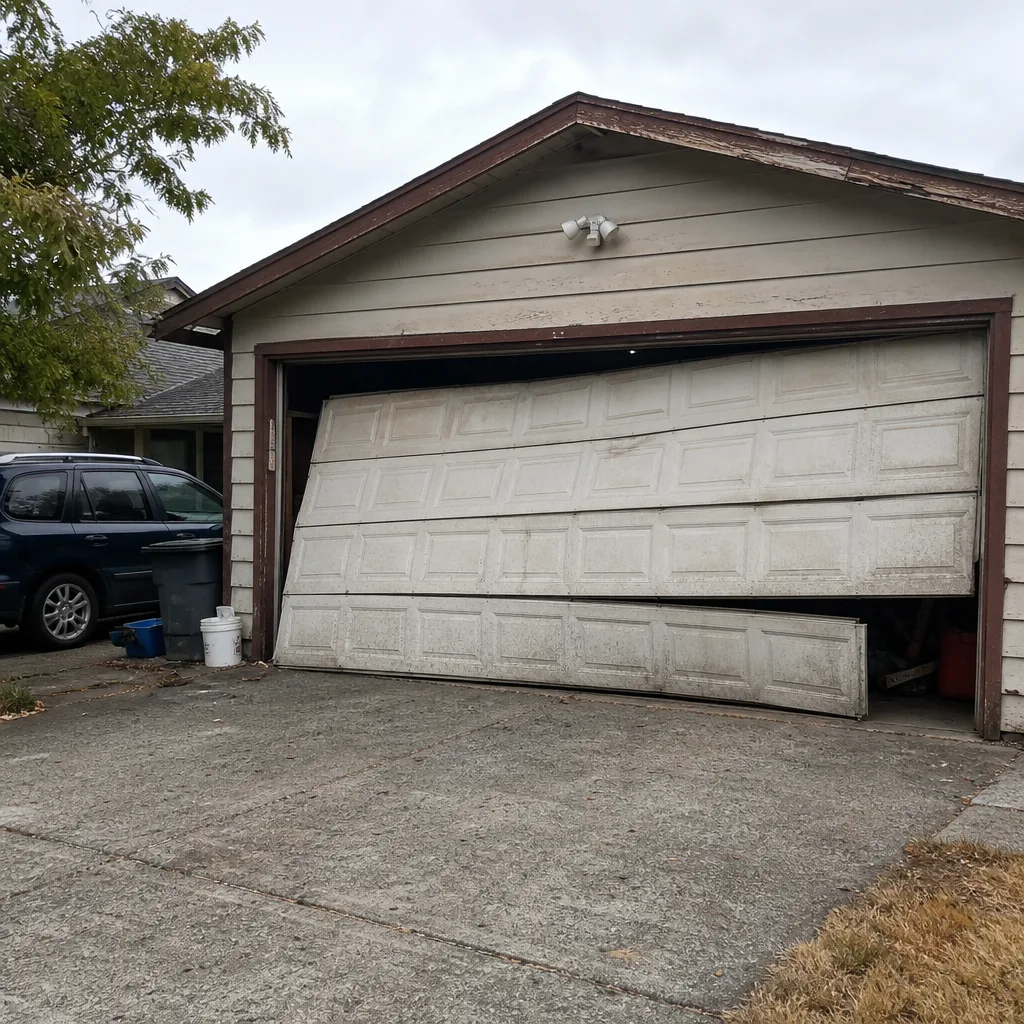 Before
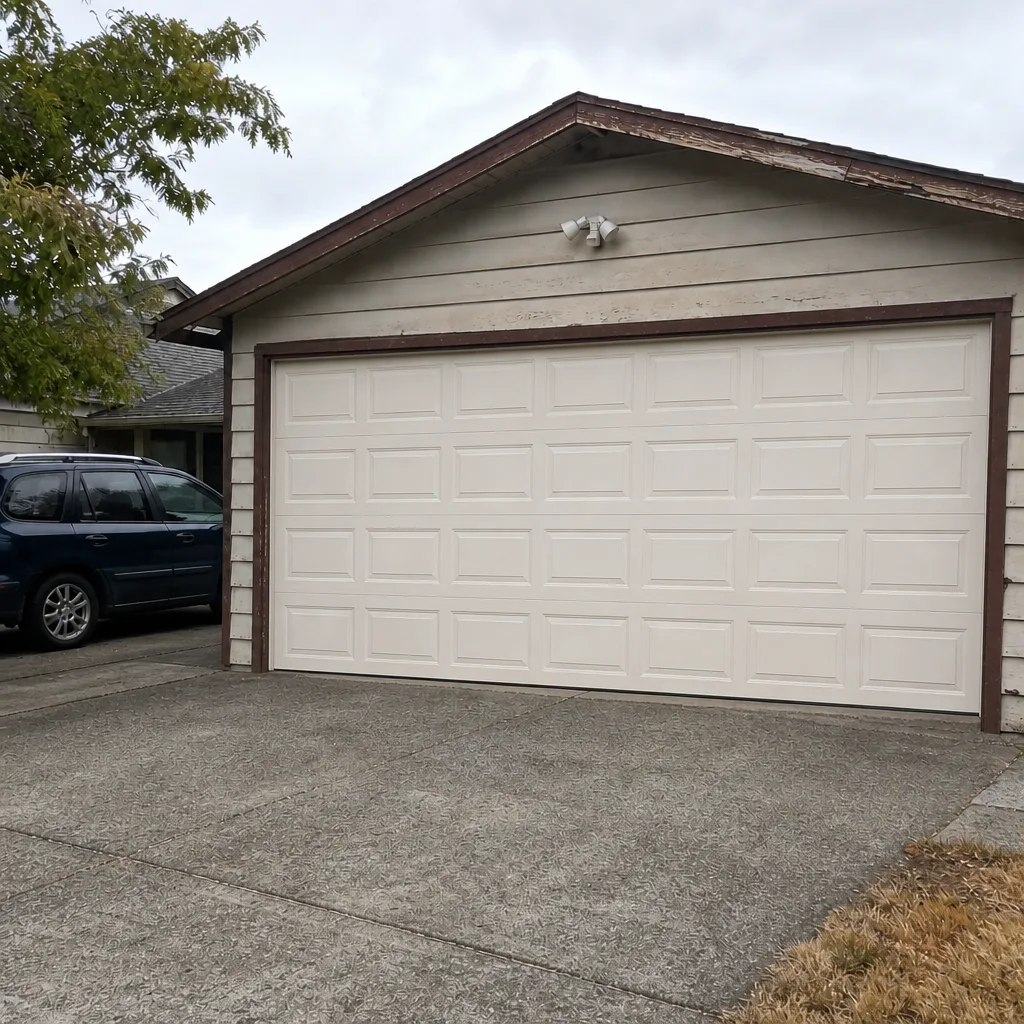 After
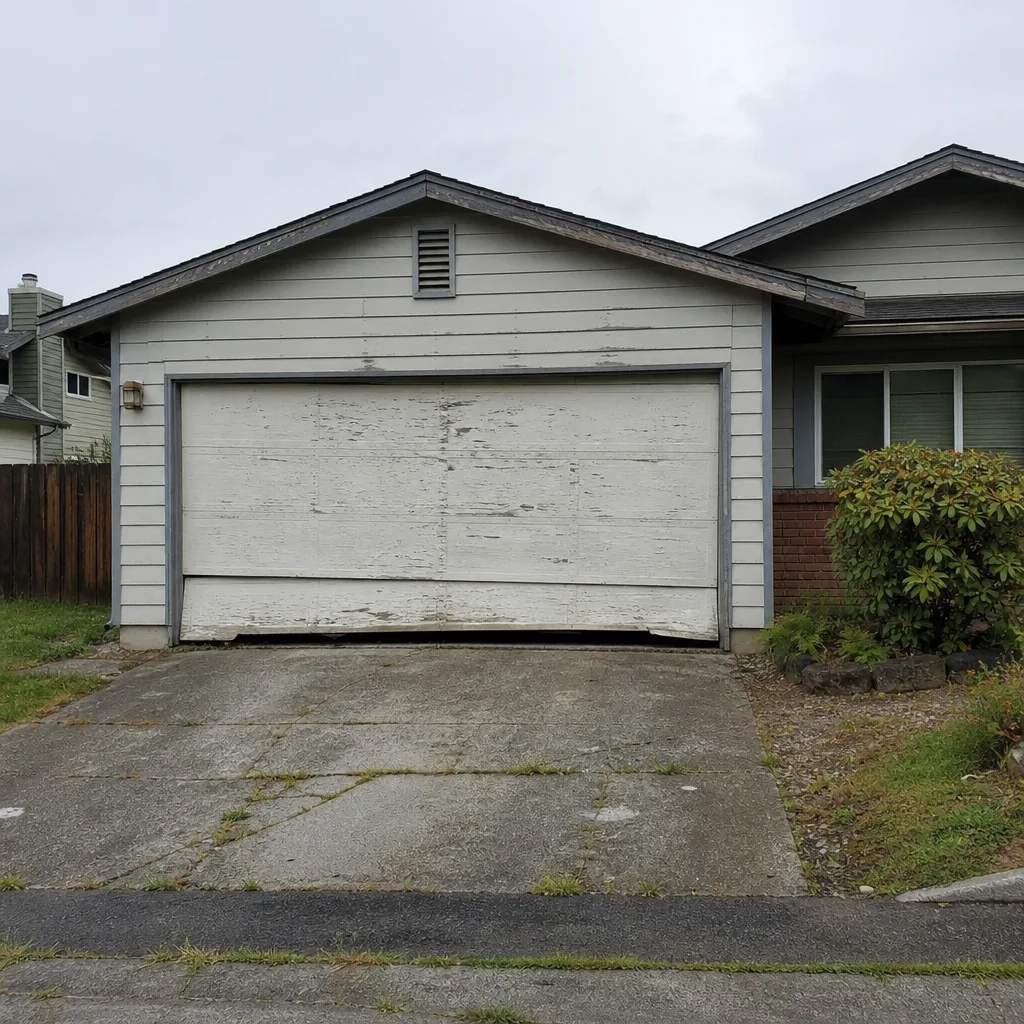 Before
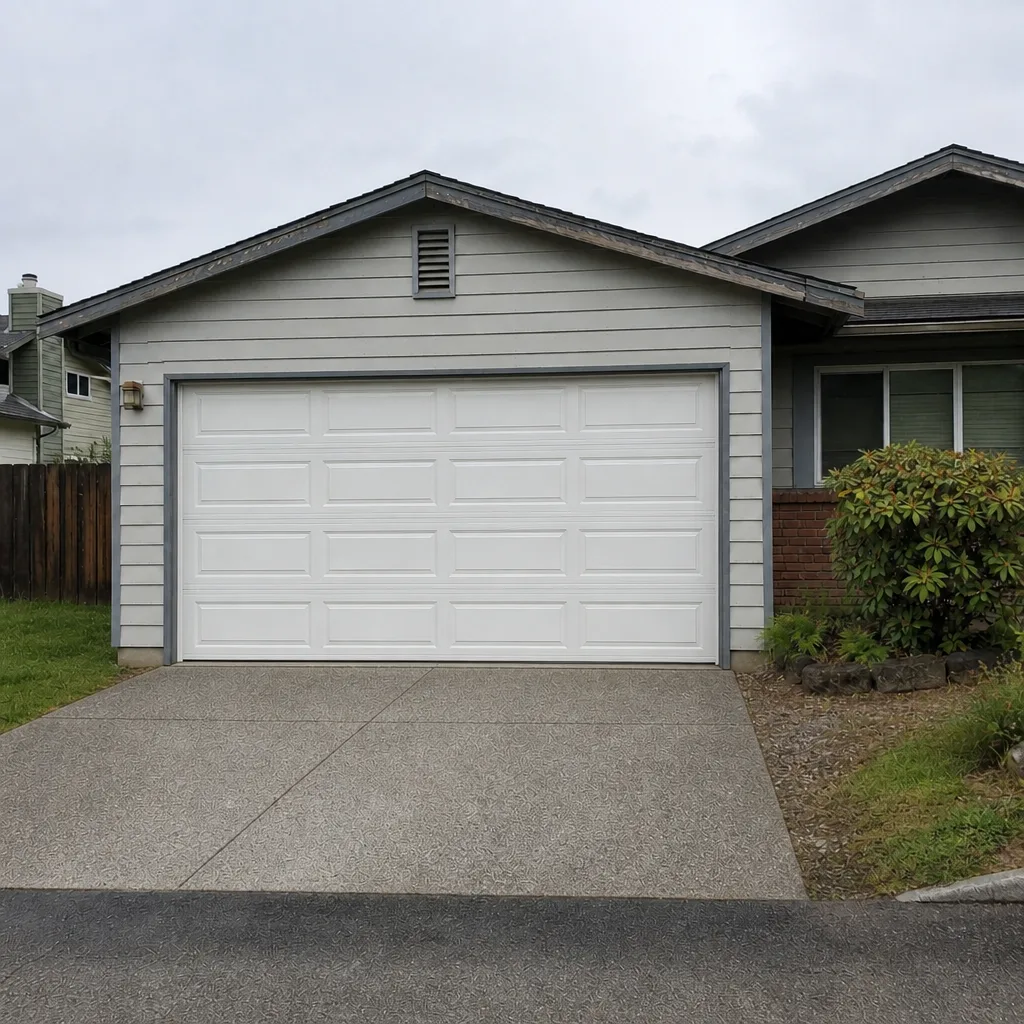 After
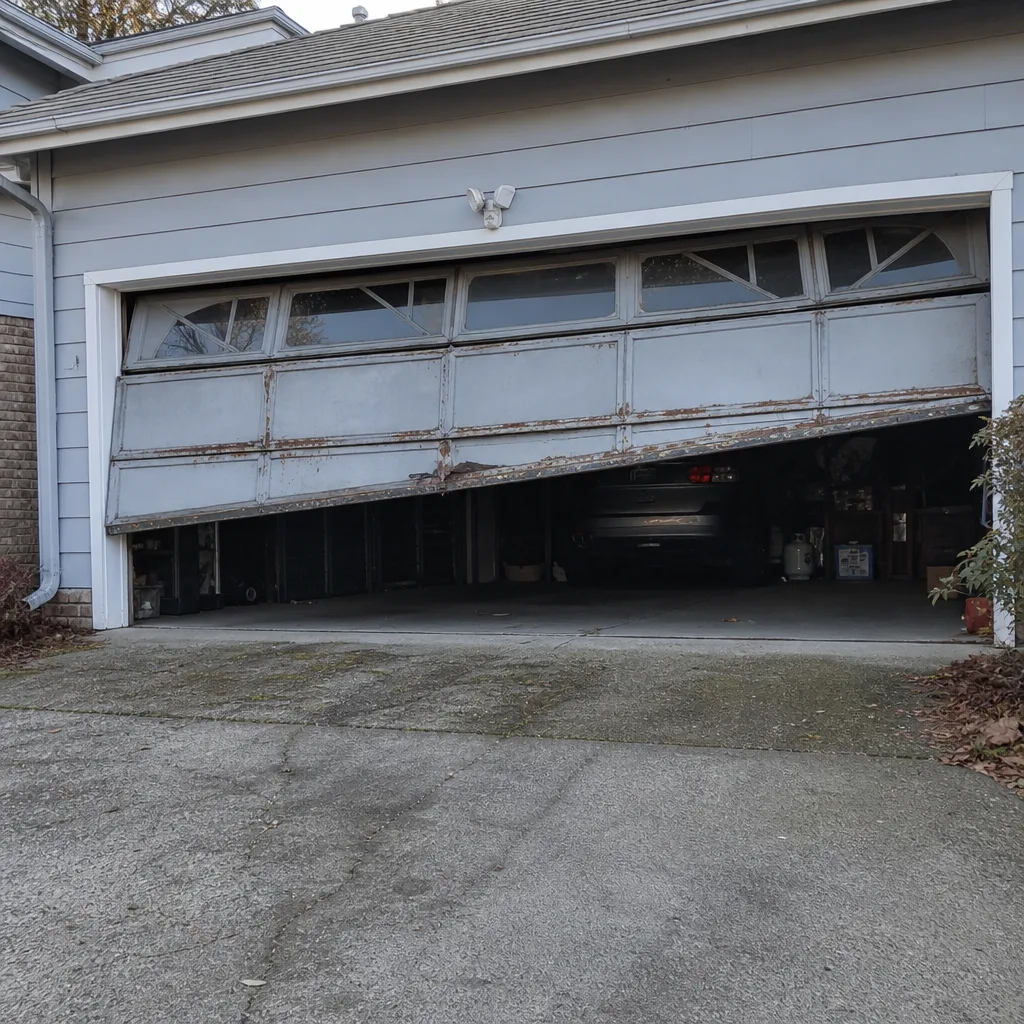 Before
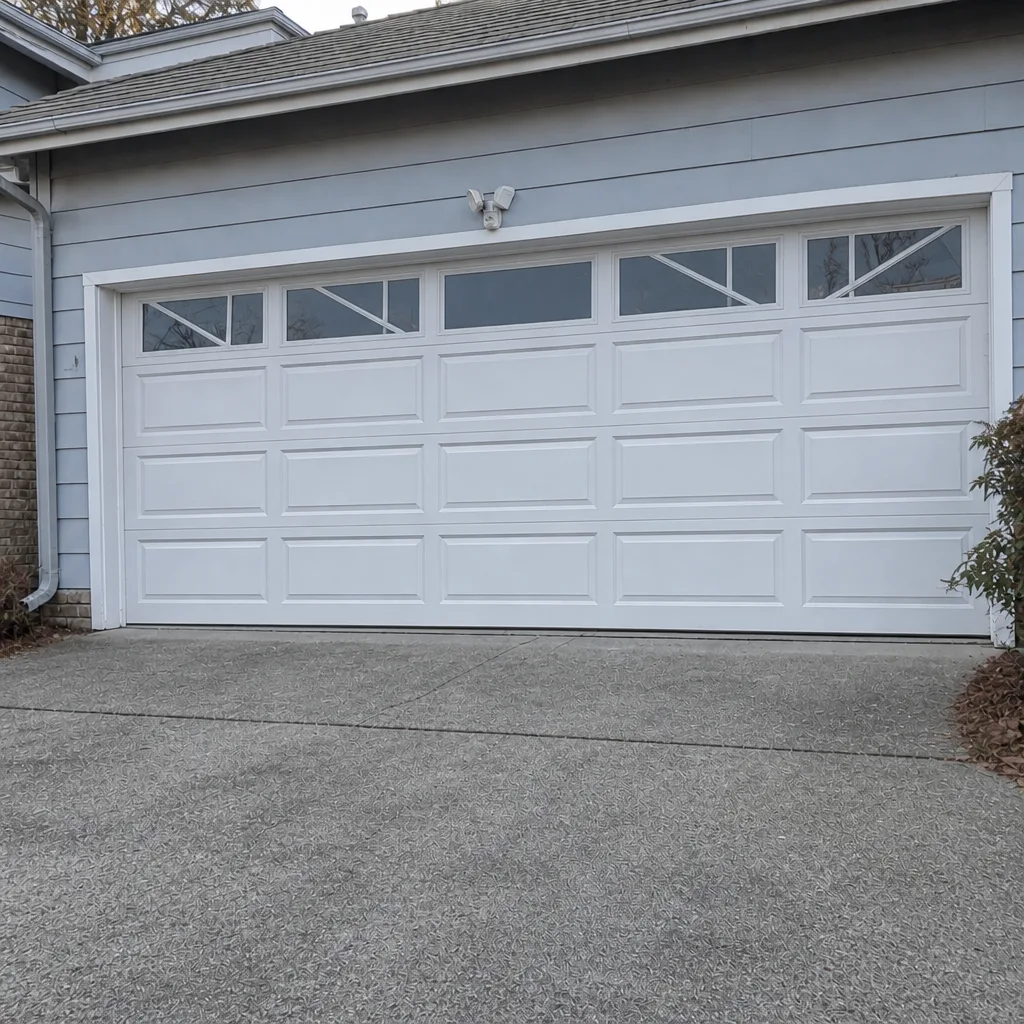 After
When to Call a Professional
Some signs warrant a scheduled call and others warrant an emergency one. Schedule a visit when you see a gap in the spring coil, a jerky or slow door, a worn bottom seal, or an opener flashing an error pattern. Call us emergently when the door hangs at an angle, has snapped a cable, won’t close, or has dropped below one track. A door stuck open overnight is a security problem, and a door that’s off its track is a safety risk.
Federal Way Garage Door Repair Pros offers free estimates in Federal Way. Call (866) 937-7597. Our technicians have up to 14 years of experience, and emergency service is available for situations where the door has failed and the garage needs to be secured. If you’re ready to look at diagnosis or need a scheduled repair, see our main page at Federal Way Garage Door Repair Pros.
Frequently Asked Questions
The earliest signs are a visible gap in the torsion spring coil, a door that drags in the final foot of travel, and an opener that sounds like it’s working harder than usual. None of these stop the door from working, which is why most homeowners ignore them. A visible gap in the coil means the spring has weeks remaining, not months, and it’s the top priority to check.
Spring life depends on cycle count and load, not calendar time. Doors that open and close multiple times a day wear out their springs faster than doors used once daily. The practical answer is to check the coil for a visible gap or unevenness every month and have the spring inspected when you see either. In Federal Way, wet-season drag adds load, so spring inspection is worth doing before the wet months.
No, we don’t recommend continuing to use a door with a gap in the spring coil. The gap indicates the spring has lost enough tension that it can fail mid-cycle and release stored energy without warning. Stop using the door and call for a spring inspection. Call (866) 937-7597 to book one; estimates are free.
On LiftMaster and Chamberlain openers, a repeating LED pattern rather than a steady light is the unit reporting a diagnostic code. The number of flashes before the pause tells a technician what the fault is, usually a sensor alignment issue or a logic board fault. Note the pattern before you call, and we can bring the right part for the brand.
Yes, in most cases. A matched pair of torsion springs are installed together, worked together, and wear at nearly the same rate. Replacing one and leaving the other means you’ll be facing a second spring repair weeks later. Most technicians recommend replacing both. Call (866) 937-7597 for a written estimate.
Yes. A cracked or flattened bottom seal lets water track under the door and into the garage, and in Federal Way’s wet season that happens faster than most homeowners expect. The seal looks fine from the outside until the floor just inside the door is already damp. A seal replacement is inexpensive compared to repairing interior moisture damage.
The Bottom Line
The signs that matter most are the ones you see during a normal daily cycle, weeks before the door actually fails: a visible gap in the spring coil, a slight drag on the final foot of travel, an opener that’s working harder than it used to, a seal that’s letting light through. Catching those 60 to 90 days early turns an emergency into a scheduled repair. Federal Way’s wet-and-dry cycle makes the case stronger here, because the wear on rubber and hardware repeats every year. Our technicians have up to 14 years of experience, and we work on LiftMaster, Chamberlain, Genie, Clopay and the other major brands a Federal Way home is likely to have. Call (866) 937-7597 for a free estimate when you spot any of the signs above.
Written by the team at Federal Way Garage Door Repair Pros.