Last updated November 21, 2026
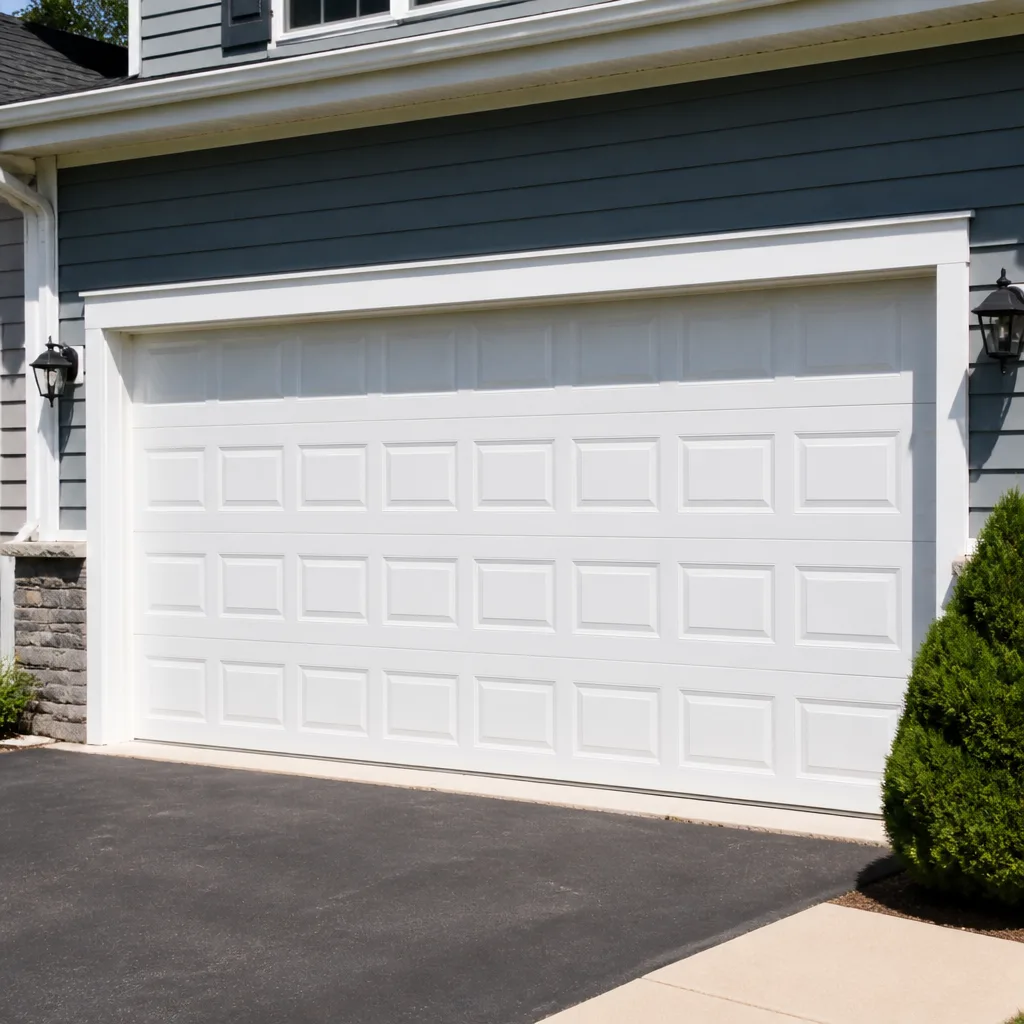 Raised-panel steel
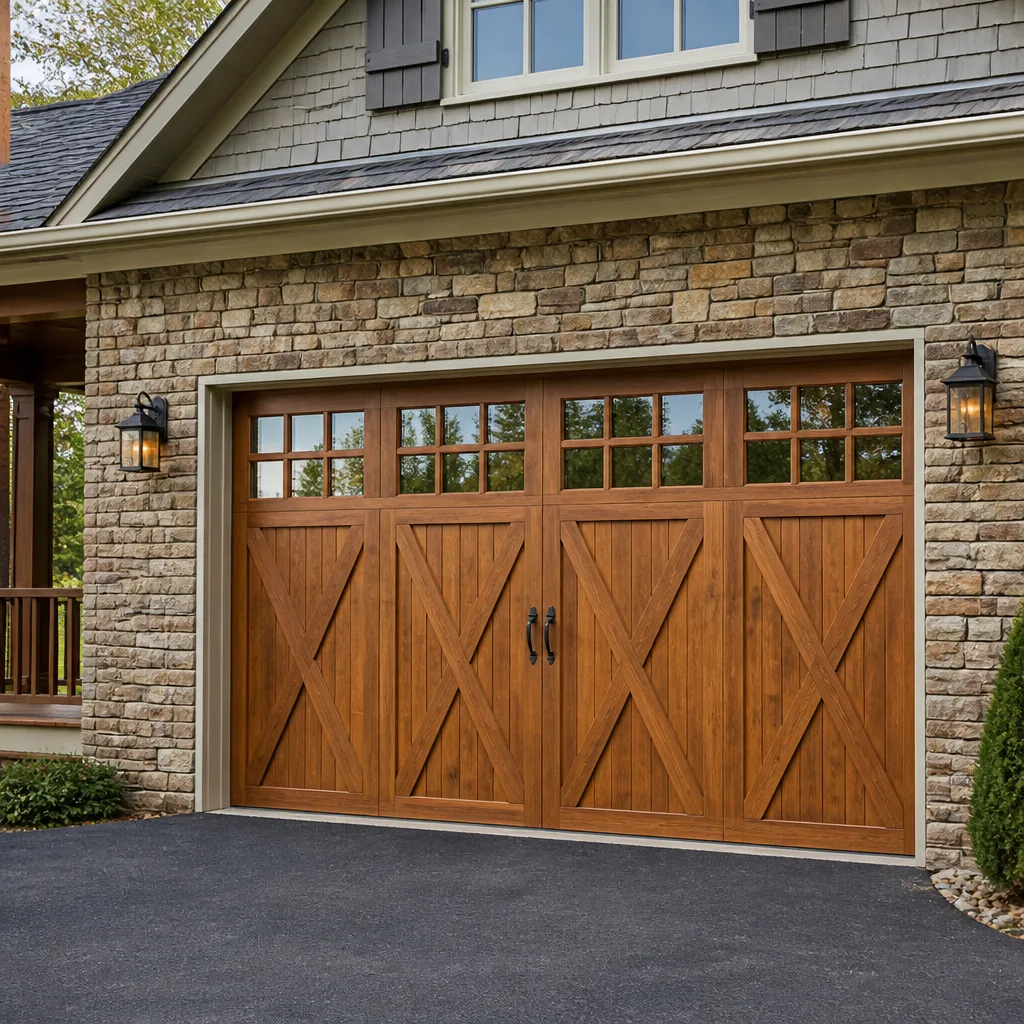 Carriage house
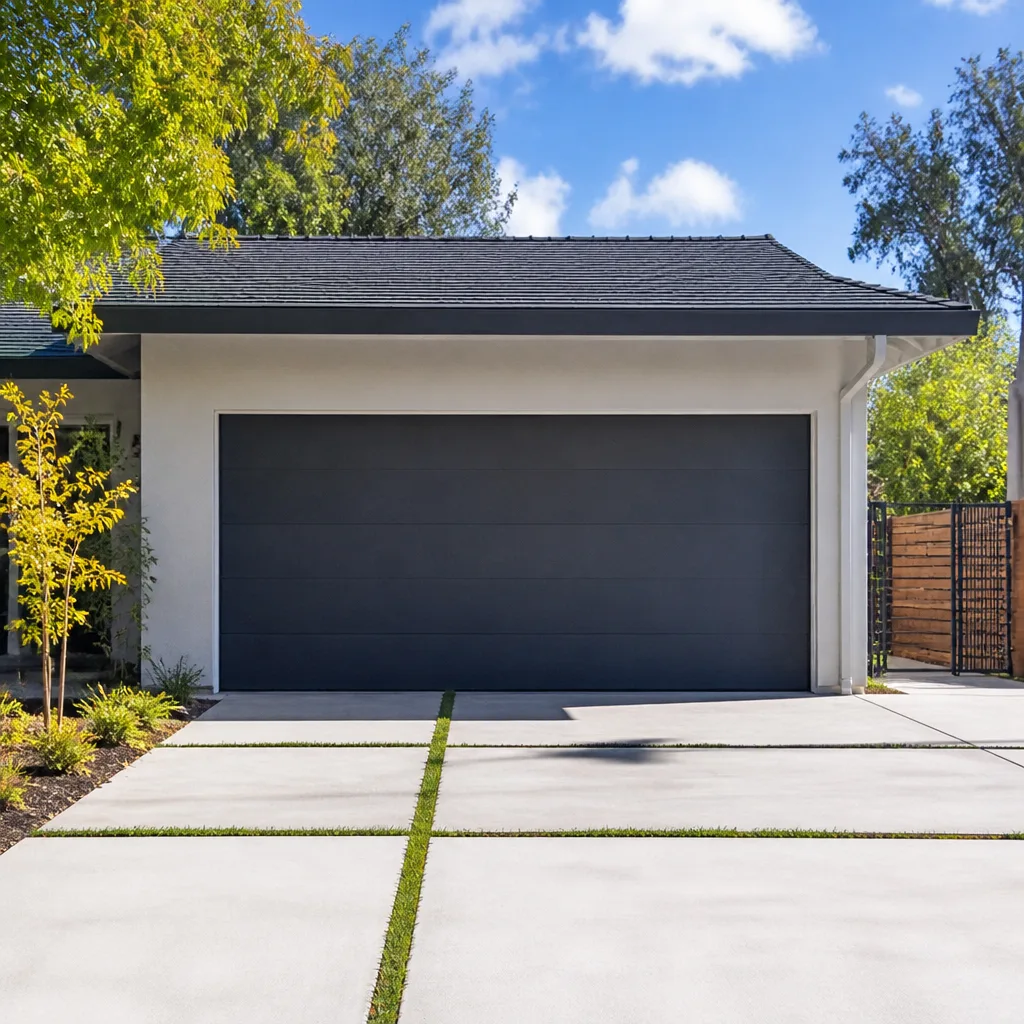 Modern flush
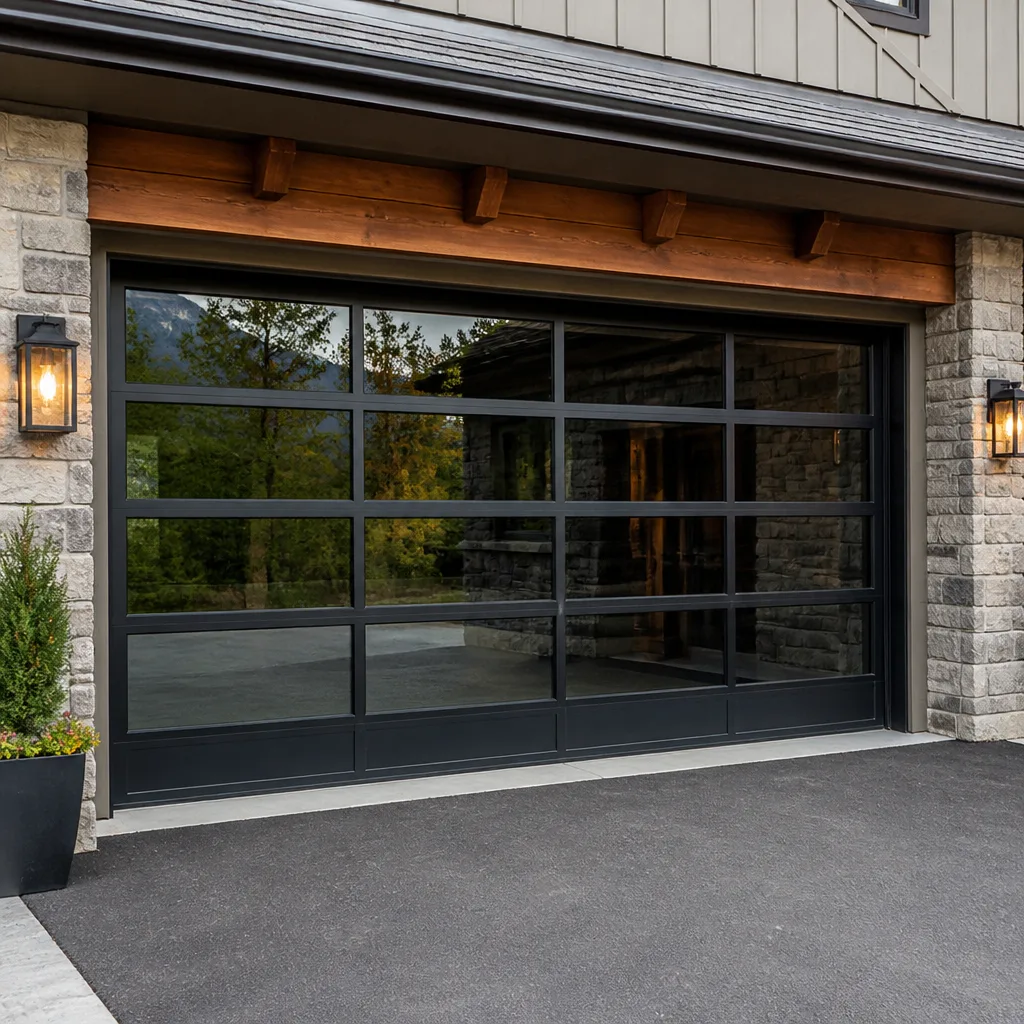 Full-view glass
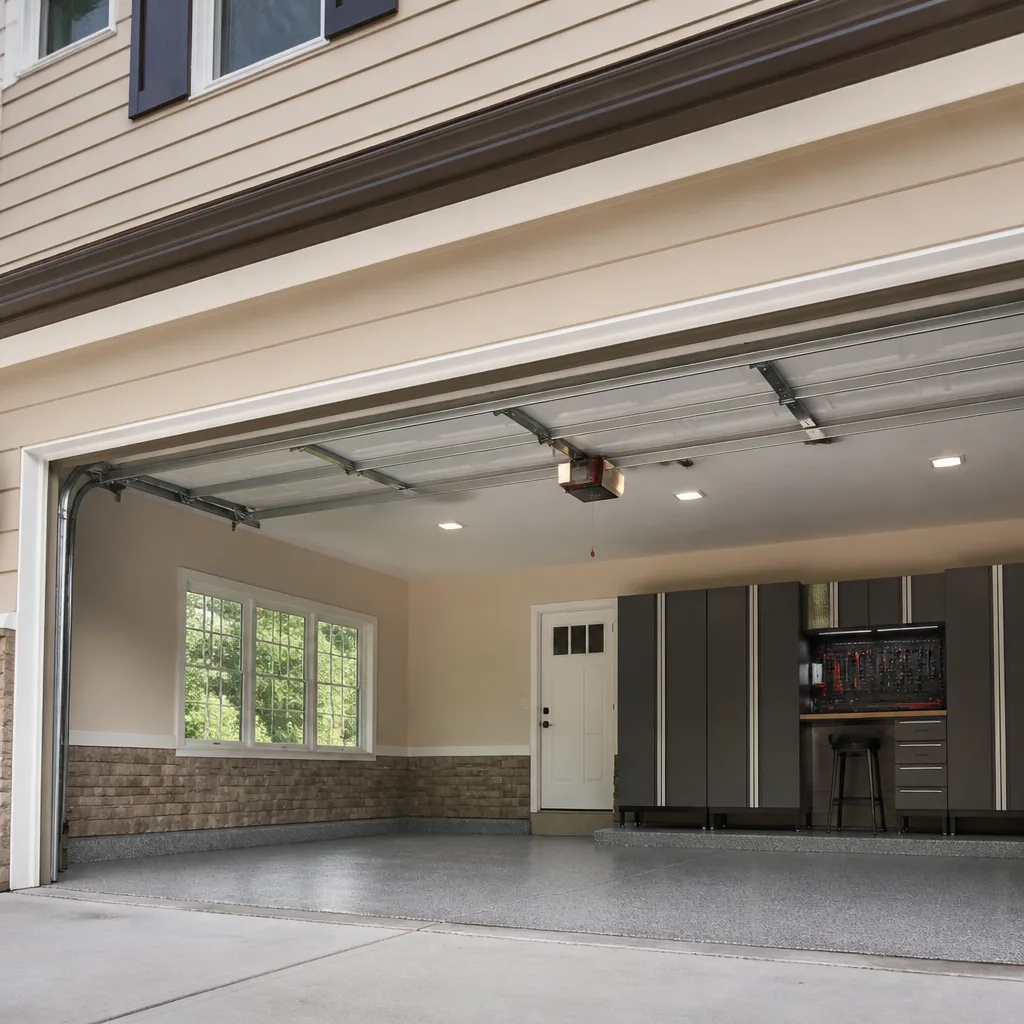 LiftMaster openers
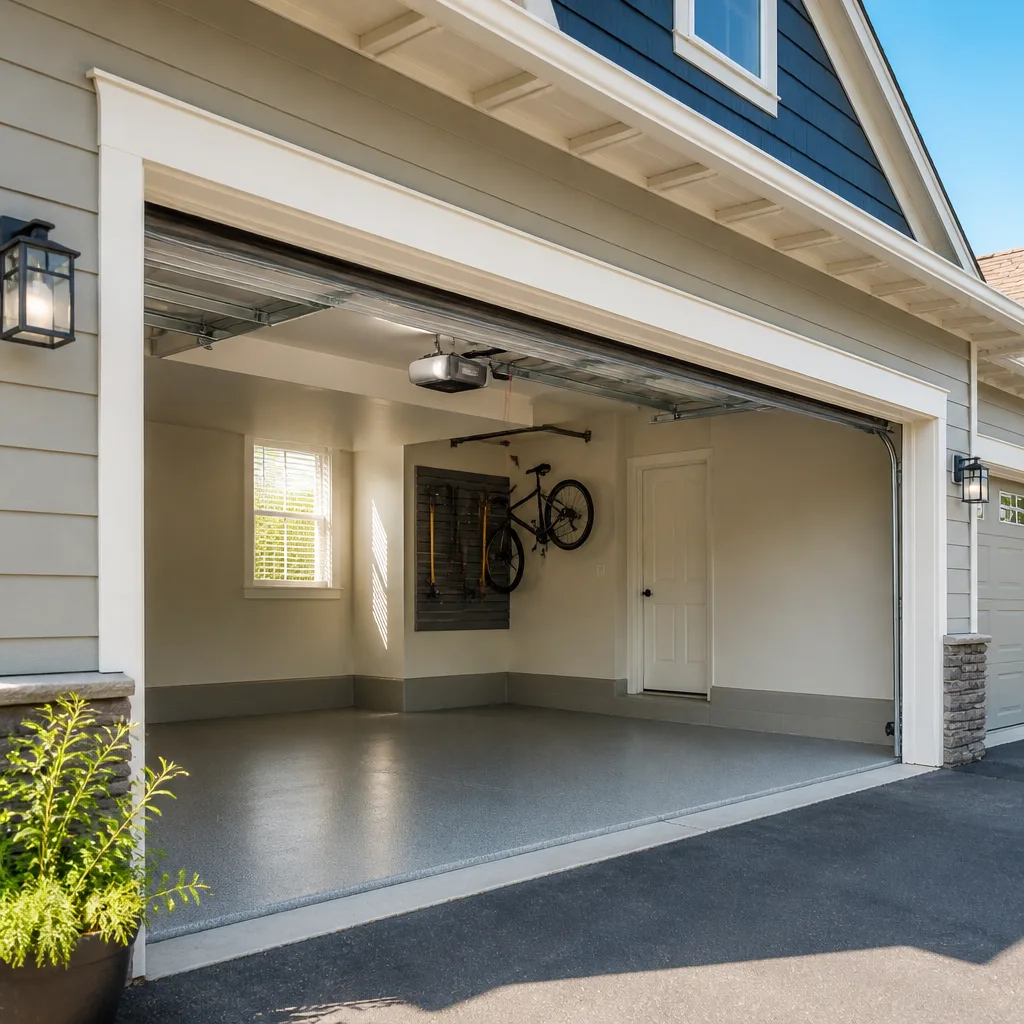 Chamberlain openers
Full 25-point door and opener safety check with every visit - springs, cables, rollers, tracks, and your LiftMaster or Chamberlain opener included
You get a price before we start. It does not change when the pro arrives.
Get your free estimateDIY vs Professional Garage Door: The Federal Way Homeowner’s Decision Guide
Here’s the part most online tutorials skip: a torsion spring doesn’t just lift your door. It stores enough mechanical energy to break bones if you release it wrong. That’s physics, not scare tactics. But the same door that holds a genuinely dangerous spring also needs lubrication, sensor cleaning, and weatherstripping that any careful homeowner can handle. The problem is that nearly everything written about garage doors either treats the whole system as a DIY project or as a locked box only professionals can touch. Neither is true. This guide draws a clear line between the two, task by task, so Federal Way homeowners can decide what to do themselves and what to hand off.
Quick Answer
About 70% of routine garage door maintenance is genuinely homeowner-safe: lubricating rollers and hinges, realigning or cleaning safety sensors, replacing weatherstripping, and reprogramming remotes. Anything involving the torsion spring, lift cables, or structural panel damage should go to a trained technician, because the stored energy and tension in those components can injure you or damage the door beyond repair. If your door is stuck, makes a loud bang, hangs unevenly, or won’t close securely, call a professional.
Styles & brands we work with
- Raised-panel steel
- Carriage house
- Modern flush
- Full-view glass
- LiftMaster openers
- Chamberlain openers
Table of Contents
- What Actually Separates DIY From Professional Work
- Five Garage Door Tasks That Are Genuinely DIY-Safe
- Why Spring Replacement Is a Different Category Entirely
- The Real Cost Comparison: DIY Parts vs. Professional Repair
- When DIY Maintenance Actually Prevents Repair Bills
- Washington State Liability and Insurance Considerations
- Brand-Specific Knowledge and Why It Matters
- What Counts as a Garage Door Emergency in Federal Way?
What Actually Separates DIY From Professional Work
The line isn’t about how handy you are. Plenty of Federal Way homeowners can rewire a light fixture or replace a water heater valve. Those jobs involve risk, but the risk is mostly electrical or water-based. Garage doors are different because they involve stored mechanical energy that stays loaded even when the door is closed.
Here’s how to think about it. Every task on your door falls into one of three buckets:
- Low-risk, high-return: Maintenance tasks where the worst outcome of a mistake is a door that still works but makes noise. Lubrication, sensor cleaning, remote reprogramming, and weatherstripping all fit here.
- Medium-risk, moderate return: Adjustments like track alignment or opener force settings. Doable for some homeowners, but a mistake can stress the opener or cause the door to reverse unexpectedly. Worth a call if you’re not confident.
- High-risk, no DIY upside: Springs, cables, and structural panel repairs. The risk of injury is real, the tool cost is higher than the repair itself, and the liability exposure is significant. These should always go to a technician.
Most garage door tutorials give every task the same cheerful DIY treatment. They don’t tell you that Federal Way’s wet winters and temperature swings put extra stress on the spring and cable system, or that a door that looks safe to work on can be one wrong turn from a dangerous snap. In our experience, the homeowners who get hurt or cause secondary damage are often the ones who watched one video and felt ready. The extra step is knowing which bucket a task belongs to before you pick up a wrench.
Five Garage Door Tasks That Are Genuinely DIY-Safe
If you’re careful and you follow the manufacturer’s instructions, these five jobs are reasonable to do yourself. Each one is low-risk and takes under an hour.
- Lubricating rollers, hinges, and tracks. A can of white lithium grease or silicone spray applied to the roller stems, hinge pivot points, and the curved part of the track (not the flat surface the wheels ride on) keeps the door quiet and reduces strain on the opener. Once or twice a year is plenty in Federal Way’s climate.
- Cleaning and aligning safety sensors. These are the small lenses near the floor on each side of the door. Wipe them with a soft cloth, check that they point at each other, and confirm the door reverses when you wave an object through the beam. If they’re misaligned by even a fraction, the door won’t close.
- Replacing weatherstripping. The rubber seal along the bottom of the door takes a beating from wet weather. When it cracks or flattens, cold air and water get in. Replacement seals are inexpensive and slide into the bottom retainer without any special skills.
- Reprogramming remotes and keypads. If a remote stops working or you want to add one, most LiftMaster and CraftSMAN openers walk you through the pairing process on the logic board. It takes five minutes and the manual covers it in two pages.
- Wiping down panels and tightening a loose handle. Cosmetic care matters. A quick wipe-down keeps the finish intact, and a loose bracket bolt or handle usually just needs a socket wrench. If the panel itself is bent or dented, stop and call.
The pattern here: all five tasks are about keeping the system clean and adjusted. None involves opening the door’s tension system, disconnecting the opener, or touching a cable under load. For specific repair goals, our garage door repair team can confirm whether a task is safe to handle or needs a technician.
Why Spring Replacement Is a Different Category Entirely
A torsion spring is a tightly wound steel coil under extreme tension. When the door is closed, the spring is loaded and holding that energy. When it’s opened, the spring releases slowly and evenly. When it fails suddenly, that energy releases all at once. That’s why a spring replacement isn’t just harder than changing a fridge filter. It’s a different category of risk.
The three reasons a homeowner shouldn’t replace a torsion spring themselves:
- The tension is the problem, not the weight. A door might weigh 150 pounds, but a loaded torsion spring holds many times that force in rotational strain. One wrong turn of the winding bars and the spring or cable can move violently.
- The tools are specialized and expensive. Winding bars, a specialty vise, correct wire gauge springs, and the right winding instructions for your door’s drum. Buying the tools costs more than the repair itself.
- The failure mode is on the first turn. If the winding counts are off, or if the spring isn’t seated correctly, the door can slam or the spring can unwind unpredictably. There’s no margin for guesswork.
This is why we treat garage door spring repair as its own dedicated service, not a side job. Our technicians have up to 14 years of experience working with torsion springs, so they know how to release the tension evenly, install the right wire gauge for your door’s weight and height, and verify the cycle count. Federal Way homeowners with older doors, especially those with original springs on a Wayne Dalton or Raynor door, are especially likely to face a spring replacement in the near future. When that day arrives, it’s a technician job.
The Real Cost Comparison: DIY Parts vs. Professional Repair
The math behind DIY vs. professional isn’t just about parts cost. It’s about time, tool investment, and the probability of a callback. Here’s how the five most common Federal Way repairs stack up.
| Repair | DIY Parts Cost | Professional Range | DIY Feasibility |
|---|---|---|---|
| Safety sensor replacement | $15 – $35 | $90 – $160 | Good |
| Weatherstripping | $20 – $50 | $120 – $250 | Good |
| Remote / keypad programming | $20 – $45 | $85 – $150 | Good |
| Torsion spring replacement (one spring) | $60 – $120 | $180 – $340 | Not recommended |
| Cable replacement | $25 – $60 | $150 – $290 | Not recommended |
| Opener motor / logic board repair | N/A (part or board) | $150 – $375 | Not recommended |
These are typical estimated ranges for the Federal Way area, and a matched pair of springs usually replaces both at once, so a pair lands around twice the single-spring figure. On the DIY-safe jobs, the savings are real but modest: maybe $60 – $120 per task once you factor in a trip to the hardware store. On the high-risk jobs, the parts cost looks cheaper, but the tool investment (winding bars, vise, specialty springs) plus the risk of a callback makes DIY a losing trade. And if the repair fails on the first attempt, you pay twice: once for the parts and once for the professional to fix what went wrong.
Professional pricing is agreed before any work starts. You get a written estimate that sets the price, and the invoice matches it. For an exact quote on your door, call (866) 937-7597. Estimates are free.
When DIY Maintenance Actually Prevents Repair Bills
Some homeowner effort pays for itself. Some doesn’t. Here’s where DIY maintenance has the clearest payoff.
- Lubrication twice a year. Door rollers and hinges that dry out and grind create friction that strains the opener. A $10 can of lubricant twice a year can add years to an opener’s life. This is the single highest-ROI task on the list.
- Monthly sensor check. A misaligned sensor stops the door from closing. That’s a 30-second fix if you catch it early and a service call if you don’t. It also prevents the door from closing on a child or pet.
- Weatherstripping replacement when you see cracks. A worn bottom seal lets water in, which rusts hinges and freezes the bottom panel in cold snaps. Replacing it before water damage occurs saves a more expensive repair.
- Balance test once a month. Disconnect the opener and lift the door halfway. If it stays put, the springs and cables are balanced. If it drops or shoots up, the spring tension is off, and that’s a call to a professional.
What doesn’t pay off: trying to tighten a sagging door’s cables, adjusting the opener’s force settings beyond the manual’s recommendations, or trying to replace a broken spring on a Wayne Dalton or Raynor door with a generic part. Those are the jobs where a $50 attempt turns into a $300 repair. We work on your brand, which is why our garage door opener repair team knows the difference between a LiftMaster logic board fault and a failed capacitor in a Craftsman unit.
Washington State Liability and Insurance Considerations
Garage door work isn’t just a maintenance question. It’s a liability question, especially in Federal Way, where most homes are attached garages.
Here’s what homeowners should know, in general terms:
- Permits. Most cities require a permit for structural changes to a garage door opening, including enlarging the opening or altering the header. Federal Way homeowners should check with the city’s building department before starting that kind of work. Ask before you start, not after.
- Insurance. If an unpermitted or improperly installed door causes damage to your home or a neighbor’s property, your insurer may question the claim. This is a general principle in homeowner coverage, not a hard rule. Call your own insurer with questions about your policy.
- Resale. A home inspection before sale often flags an improperly installed garage door spring, opener, or track. A buyer’s inspector can tell when the door wasn’t installed to code, and that can slow a sale or force a renegotiation.
- Injury liability. If a guest is injured by a door that was improperly repaired or adjusted, the liability exposure is on the homeowner. That’s the practical reason most homeowners don’t touch torsion springs, not just the physical risk.
The safest approach: treat any task involving the opening’s structure, the springs, the cables, or the electrical wiring as a professional job. Federal Way’s building department can confirm what requires a permit. Our team can confirm what requires a technician.
Brand-Specific Knowledge and Why It Matters
One thing DIY rarely accounts for is brand-specific behavior. A LiftMaster opener that won’t close may have a different fault than a Genie unit with the same symptom. A Clopay door’s tension system works differently from a Wayne Dalton TorqueMaster or a Raynor spring setup. A generalist repair shop may guess and swap parts. A brand-aware technician knows where to look first.
Our service covers the equipment from eight of the most widely installed residential brands: LiftMaster, Chamberlain, Genie, Clopay, Amarr, Wayne Dalton, Craftsman, and Raynor. That matters in Federal Way homes where original equipment is often a decade or more old. A homeowner working on a Wayne Dalton TorqueMaster system may not realize the spring is enclosed and requires a manufacturer-specific winding procedure. A Craftsman opener with a failing logic board looks the same as a LiftMaster with a bad capacitor to a generalist. We don’t take that shortcut. Diagnosing by brand-specific behavior cuts callbacks and gets the repair right the first time.
What Counts as a Garage Door Emergency in Federal Way?
An emergency isn’t just “inconvenient.” A garage door that won’t close leaves the home open to weather and intruders. A door that hangs unevenly and might fall is dangerous. A door that won’t open traps a car or blocks access to a home-based business. Those are same-day problems in our book.
Scenarios where you should call rather than DIY:
- The door is stuck open, tilted, or off its track.
- A spring or cable has broken (often signaled by a loud bang).
- The opener runs but the door doesn’t move, or the door reverses immediately after touching the floor.
- The door closes on an object or a person and doesn’t reverse.
- A door that’s been damaged in a windstorm or by a vehicle impact.
Emergency garage door service is a core part of what we do, not an upsell. If your door fails, call and we’ll book it. We don’t work Saturdays, but we can book Sunday service if a door fails over the weekend. For routine repairs, our team at Federal Way Garage Door Repair Pros can usually talk through the situation and tell you whether it’s a same-day repair or a scheduled job.
Common Mistakes to Avoid
- Watching one video and assuming you’re ready for a spring. Torsion springs hold far more force than most tutorials convey. If a video makes it look simple, it’s leaving something out.
- Overtightening track bolts. Hand-tight plus a quarter turn is usually enough. Overtightened bolts distort the track and make the door noisy and misaligned.
- Ignoring a door that reverses before hitting the floor. This is a safety sensor problem or a force-setting problem, and it needs a professional diagnosis, not a guess. A door that reverses on its own can trap a child.
- Applying grease to the tracks. Lubricate the roller stems and hinges, not the flat surface the wheels ride on. Grease on the track collects grit and makes the door hard to open.
- Buying a replacement opener without matching the logic board or safety sensor. Federal Way homes often have older openers, and a new unit’s wiring may not match the existing sensors. A generalist retrofit can leave you with a door that opens but won’t close safely.
- Skipping the permit. Structural changes to the garage door opening need approval from the city’s building department before you start. Skipping it can complicate insurance and resale.
- Assuming a new door is always the answer. In our experience, repair is the right call more often than replacement. The right question is which one makes sense, not which one is more profitable.
See the difference
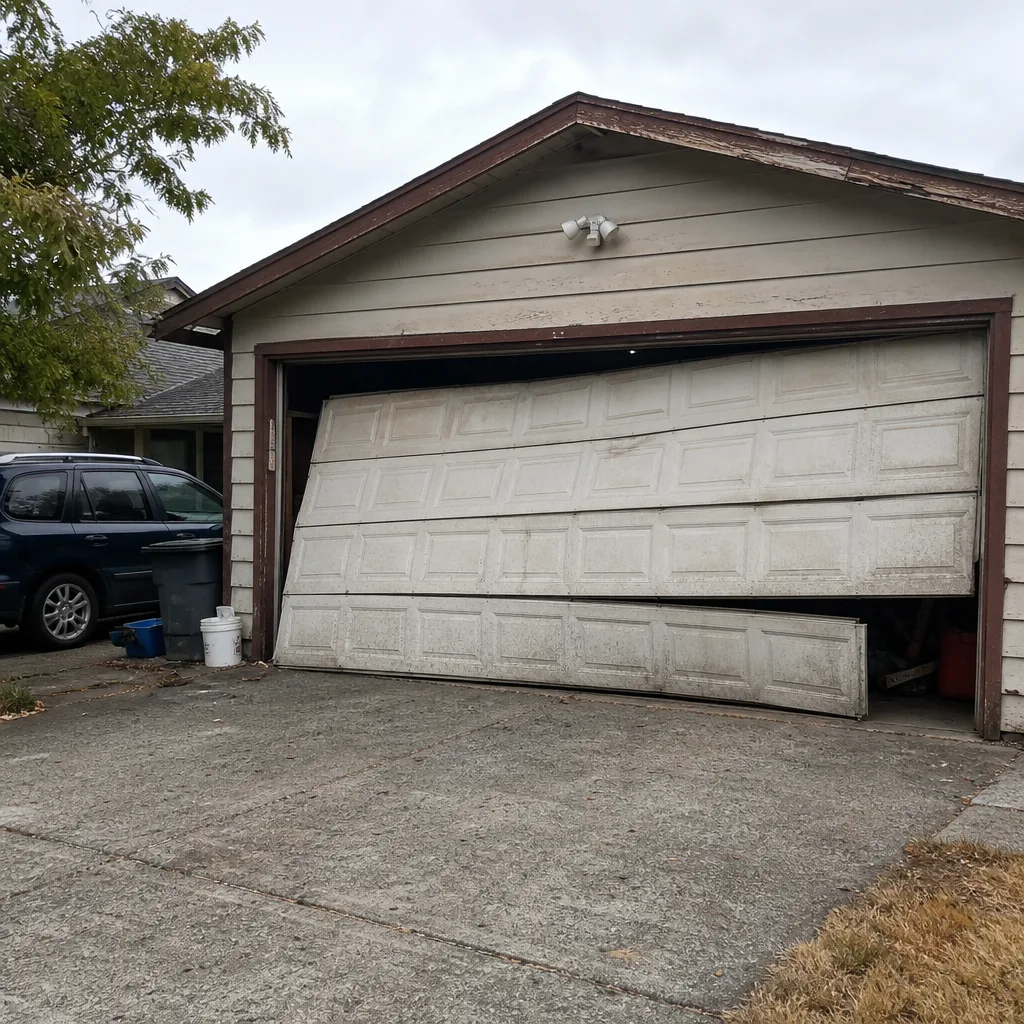 Before
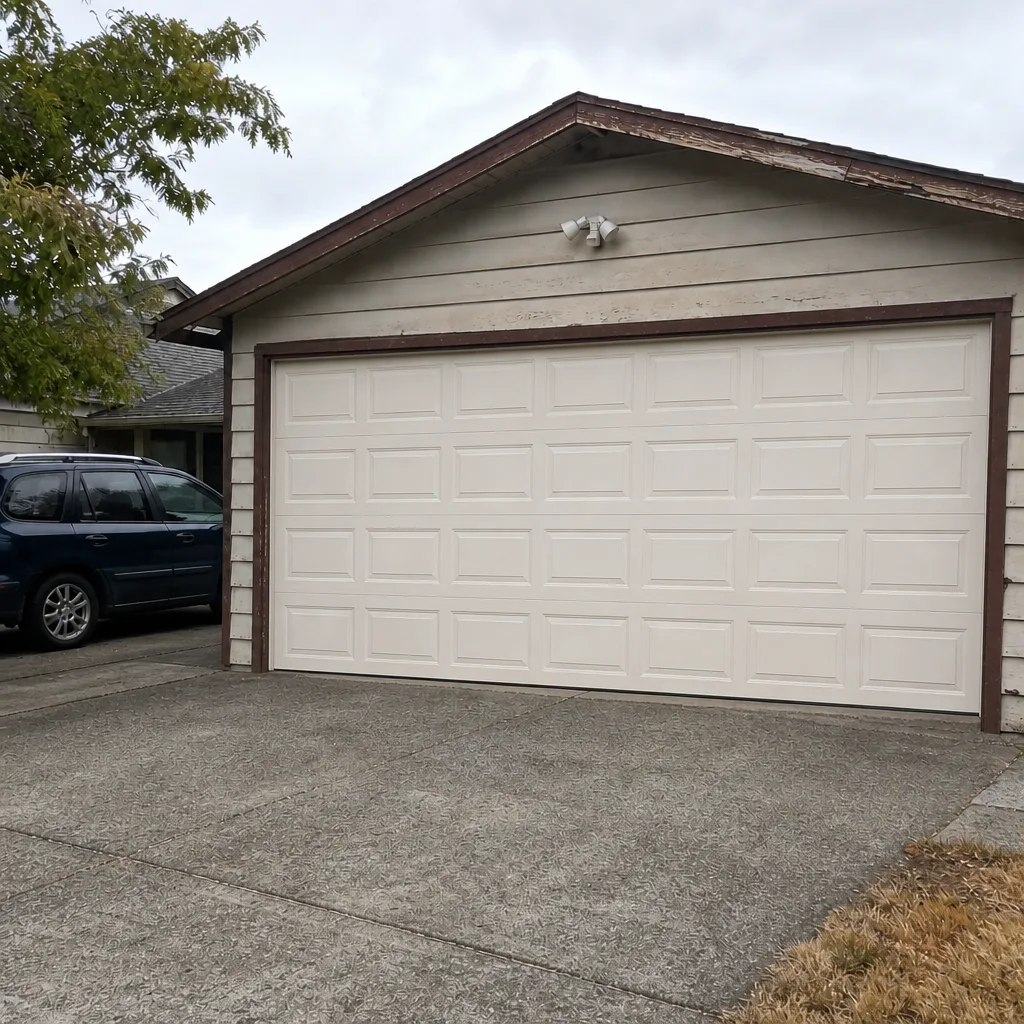 After
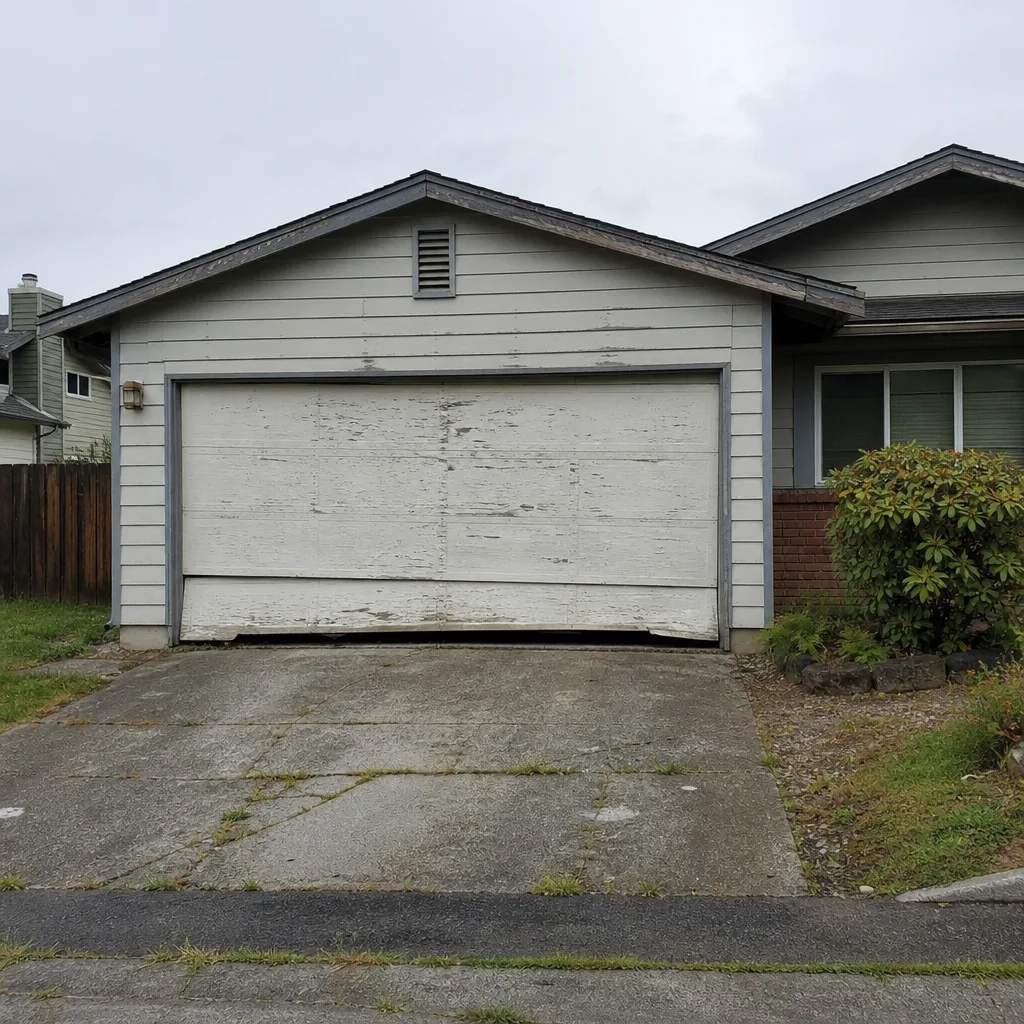 Before
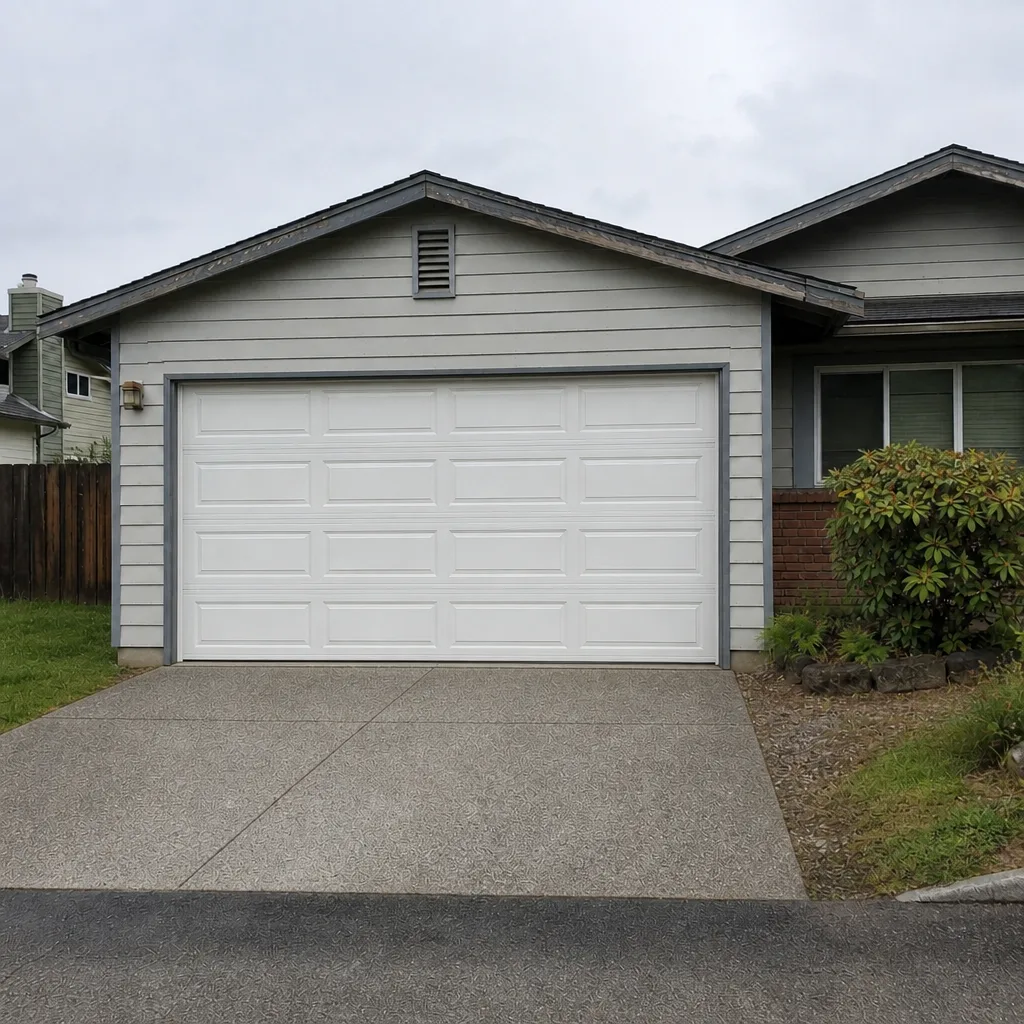 After
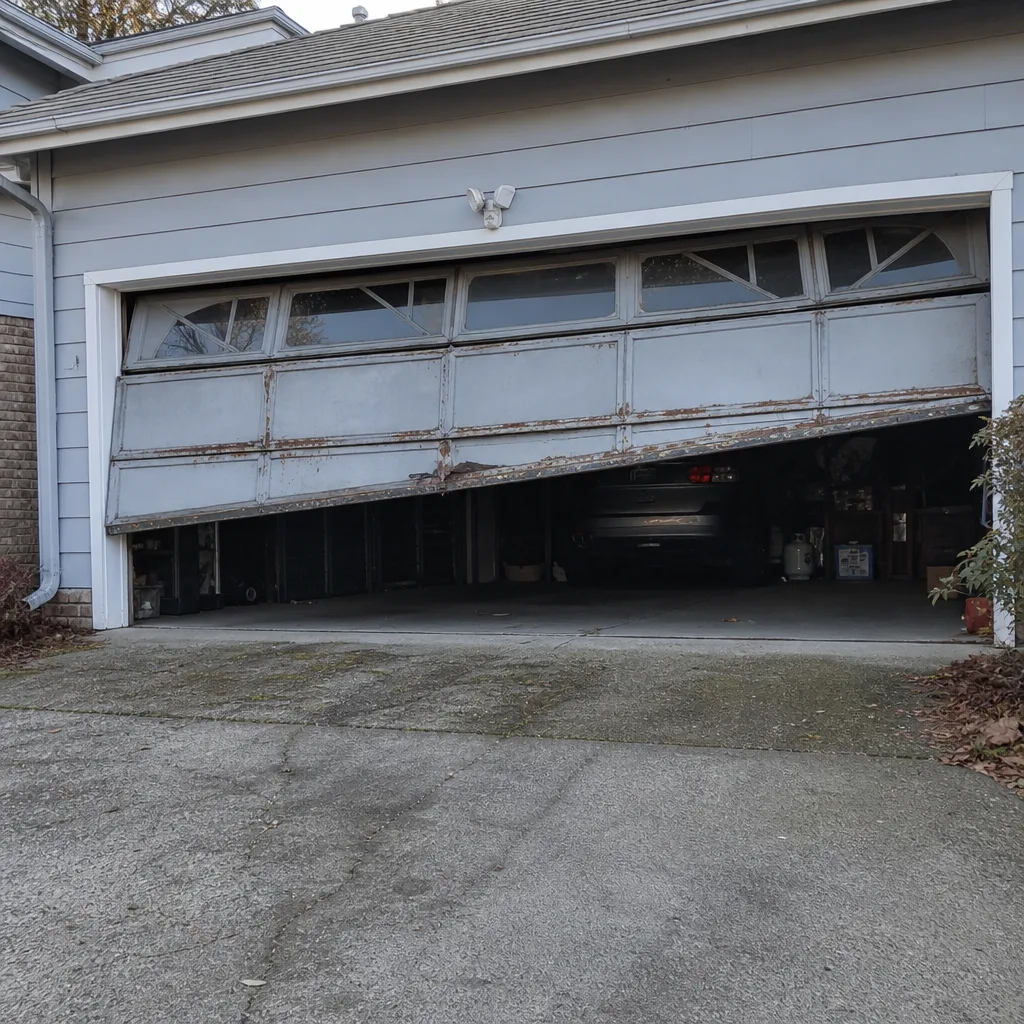 Before
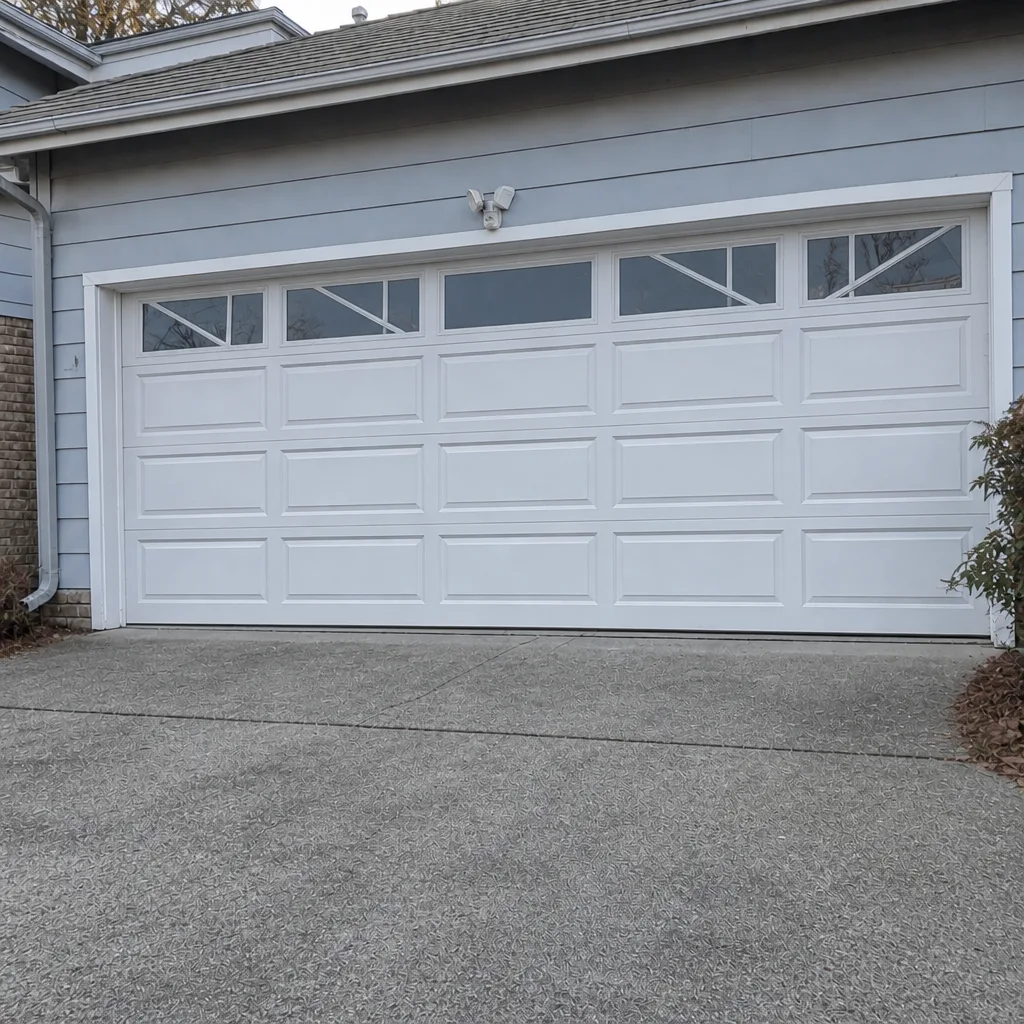 After
When to Call a Professional
Call a professional if any of the following are true: a spring or cable has broken, the door is off its track, the door hangs unevenly or slams, the opener runs but the door doesn’t move, or the door won’t close and stay closed. Call if you’re unsure whether a repair is a safety issue or a cosmetic one. Call if your door is older than a decade and you haven’t had it serviced. And call if you’re installing a new door or a new opener. Those jobs are measured and quoted, not improvised. Federal Way Garage Door Repair Pros offers free estimates in Federal Way. Call (866) 937-7597 and we’ll tell you which repairs are worth doing and which aren’t.
Frequently Asked Questions
No, and this is the one task in this guide we’d strongly steer you away from. Torsion springs are under extreme tension and can release violently. The tools alone cost more than the repair, and the margin for error is small. A trained technician with the right equipment is the safe answer.
Lubrication is the single most common and most worthwhile DIY task. After that, sensor alignment and weatherstripping. All three are low-risk and take under an hour. Call (866) 937-7597 if you’re not sure about the rest.
A single torsion spring replacement typically runs $180 – $340 in the Federal Way area, and a matched pair usually replaced together lands around twice that. The written estimate sets the final price, and we quote before any work starts.
Probably not outright, but an unpermitted or improperly installed repair can complicate a claim if it causes damage. Check with your insurer before starting any structural work, and check with Federal Way’s building department on whether your repair needs a permit.
Some homeowners can manage a like-for-like replacement, but the risk is in the sensor wiring and the force calibration. A mismatched logic board or sensor setup can leave the door opening but not closing safely. A professional install is usually worth the extra cost on this one.
The local professionals we connect you with are licensed and insured as the state requires, and our technicians have up to 14 years of experience. For a free estimate on your Federal Way door, call (866) 937-7597.
The Bottom Line
Most of the garage door tasks homeowners attempt are reasonable, low-risk maintenance. Lubrication, sensor cleaning, weatherstripping, and remote programming all save money and take under an hour. The genuinely dangerous work is a short list: torsion springs, cables, structural panel damage, and opener electrical faults. Those should go to a technician, not because you’re not handy, but because stored mechanical energy doesn’t allow for trial and error. Federal Way homeowners who know where the line is save money, avoid injury, and get the repair right the first time. If you’re unsure which category your door’s problem falls into, a free estimate will tell you.
Written by the team at Federal Way Garage Door Repair Pros.